Philadelphia's Safe Healthy Homes Act Takes Effect, Expanding Protections for Residential Tenants
Rent Magazine Contributor —November 1, 2026
4 Mins Read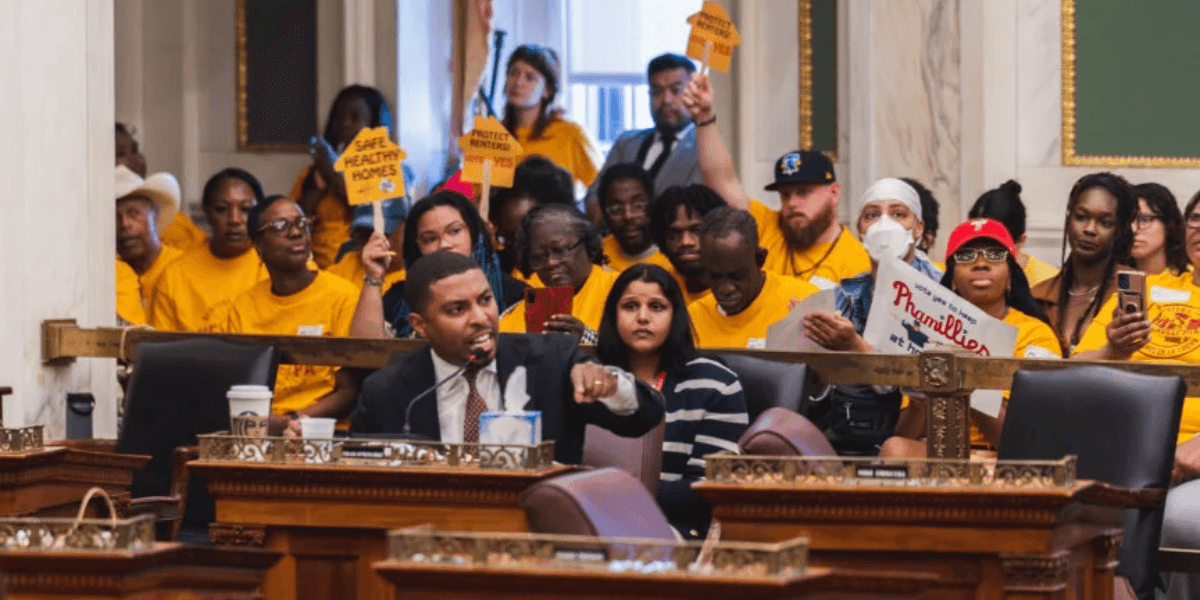
Philadelphia's Safe Healthy Homes Act expands tenant protections, good-cause lease rules, and landlord regulations.
Philadelphia renters gained expanded protections under the city's Safe Healthy Homes Act as new landlord-tenant requirements took effect, changing how residential leases can be terminated, how landlords respond to tenant complaints and how renters can organize around housing conditions.
The legislation introduces changes intended to strengthen housing accountability and provide additional protections against retaliation and displacement. It also expands existing requirements governing rental property compliance, habitability and tenant rights.
The measures affect a significant portion of Philadelphia's residential housing market, where approximately half of households rent their homes.
The changes are particularly relevant to landlords, property managers, leasing professionals and residents because they establish additional responsibilities within the city's rental housing system.
New Requirements Expand Good-Cause Protections
One of the most significant changes involves the expansion of good-cause protections.
Previously, Philadelphia's existing rules applied primarily to tenants with month-to-month agreements or leases lasting less than one year.
Under the new requirements, landlords must provide a legally recognized reason when terminating or declining to renew a residential tenancy, regardless of the lease term.
This creates a broader standard for lease termination across the city's rental market.
The change does not eliminate a landlord's ability to terminate a lease for legitimate reasons. Issues such as nonpayment, repeated violations of lease conditions and other legally recognized grounds can still support termination proceedings.
However, landlords must now provide the required justification rather than relying on the previous narrower application of the good-cause rules.
For renters, the expansion provides additional protection against unexplained lease termination.
For property owners, it requires greater attention to documentation, communication and lease administration.
Retaliation Protections Become More Explicit
The legislation also strengthens protections against landlord retaliation.
Under the new provisions, landlords are prohibited from terminating or modifying a lease simply because a tenant cooperates with a city investigation, discusses housing conditions with public officials or reporters, or participates in a tenant organization.
The protections are intended to address situations in which renters may hesitate to report unsafe conditions because they fear losing their homes.
Housing advocates have argued that tenants need practical protection when raising concerns about maintenance, safety and habitability.
The new rules provide a clearer framework for addressing those concerns.
The legislation also strengthens protections for tenant organizations and establishes additional enforcement mechanisms for violations.
Certain violations may expose landlords to statutory damages, including $1,000 per violation, along with other available remedies and legal costs under the applicable provisions.
Rental Licensing and Property Compliance
The Safe Healthy Homes Act also addresses rental licensing and property suitability requirements.
Philadelphia requires residential rental properties to comply with applicable licensing and housing standards. The legislation strengthens the relationship between these obligations and a landlord's ability to collect rent or pursue certain legal remedies.
A valid rental license and the required Certificate of Rental Suitability are important components of compliance.
The certificate provides information concerning the condition and suitability of a residential property under applicable city requirements.
The updated framework strengthens tenant access to information and creates additional consequences when landlords fail to meet specified obligations.
For property managers, these requirements make administrative oversight particularly important.
Rental businesses must maintain accurate property records, track licensing requirements and ensure that relevant documents are available when required.
Failure to maintain compliance can create financial and legal exposure.
Tenant Organizations Receive Greater Recognition
Another important feature involves the right of tenants to organize.
The legislation provides clearer protections for renters who establish or participate in tenant associations.
Landlords are restricted from interfering with legitimate organizing activities or retaliating against tenants for participating in those efforts.
The measures also address communication and access issues involving tenant organizers.
These provisions recognize that housing conditions are often shared concerns within apartment buildings and residential communities.
For multifamily property operators, the rules introduce additional considerations involving resident relations and communication.
Property managers may need to review existing policies to ensure that building procedures do not conflict with the updated requirements.
Implications for Landlords and Property Managers
The new rules introduce additional responsibilities for residential housing providers.
Landlords must understand the expanded lease termination standards, maintain appropriate documentation and ensure that their properties meet applicable licensing and habitability requirements.
Property management companies may also need to review staff training, resident communication procedures and complaint-handling systems.
These changes could affect the administrative costs associated with operating rental properties.
Industry representatives have raised concerns that additional compliance requirements could increase operational complexity and create further legal exposure for housing providers.
Tenant advocates, meanwhile, argue that stronger accountability measures are necessary to address unsafe living conditions and protect residents from displacement.
The legislation therefore reflects an ongoing debate about balancing tenant protections with the operational responsibilities of residential property owners.
A Significant Change for Philadelphia's Rental Market
The Safe Healthy Homes Act represents a substantial development in Philadelphia's residential housing framework.
Its implementation places greater emphasis on transparent lease administration, property compliance and protections against retaliation.
The effects will depend partly on how the city administers the requirements and how landlords adapt their practices.
For tenants, the changes provide additional mechanisms for addressing housing concerns. For property owners and managers, they establish a stronger need for consistent compliance procedures.
As the legislation takes effect, its practical influence will become increasingly visible across Philadelphia's residential rental market.

Rent Magazine Contributor
This article features partner, contributor, or branded content from a third party. Members of the Rent Magazine editorial staff were not involved in the creation of this content. All views and opinions are those of the contributor alone.
Related Posts
 U.S. Home Prices Edge Lower as Buyers Face High Mortgage Costs and Slowing Demand
Rent Magazine Contributor —October 31, 2026
 New-Home Sales Slow as Builders Cut Prices and Offer More Buyer Incentives
Rent Magazine Contributor —October 27, 2026