Home Sellers Cut Prices and Offer Buyer Incentives as U.S. Housing Market Stalls
Rent Magazine Contributor —October 25, 2026
5 Mins Read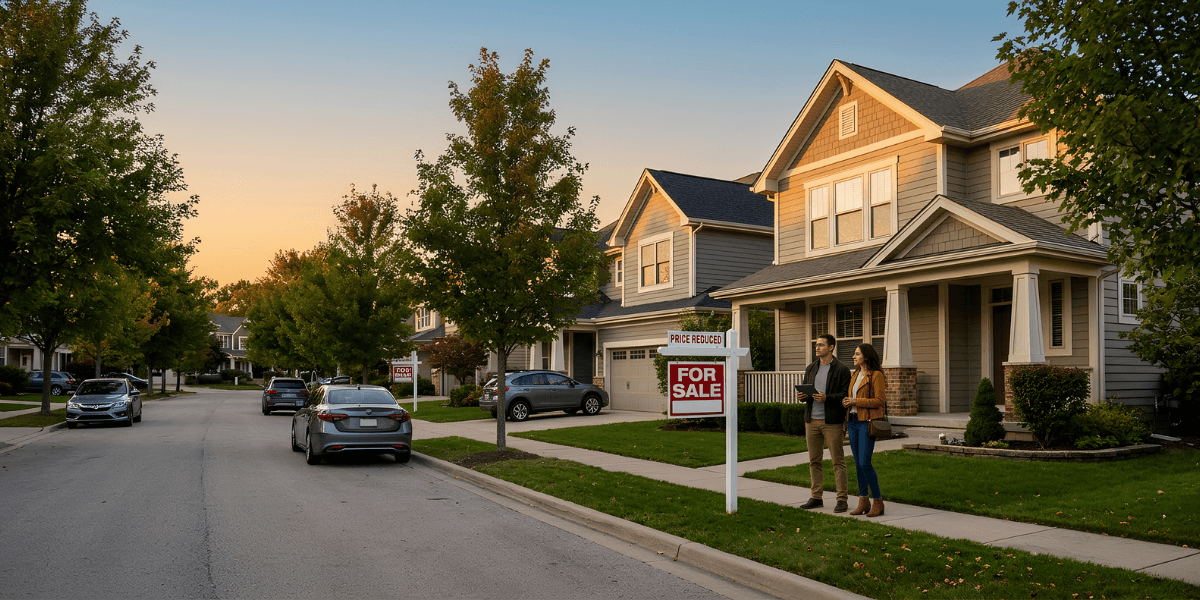
An imbalance between sellers and buyers is leaving properties on the market longer and forcing owners to negotiate more aggressively.
The U.S. housing market is showing increasing signs of a buyer-favorable shift as high mortgage rates and persistent affordability pressures slow home sales. Sellers are reducing asking prices, contributing toward closing costs and offering other financial incentives to attract purchasers, according to a report published on October 25.
The change follows several years in which low mortgage rates and intense competition often enabled homeowners to sell quickly and receive offers above asking prices. Conditions have since shifted as borrowing costs increased and home prices remained elevated, leaving many buyers unable or unwilling to make a purchase.
For property owners, the result can be a longer and more uncertain selling process. Some sellers are withdrawing listings and waiting for conditions to improve, while others are accepting lower prices or helping buyers cover expenses associated with closing a transaction.
More Listings, Fewer Buyers
The imbalance between available properties and interested purchasers is changing negotiations in many housing markets. When buyers have more homes to consider, they can compare locations, condition, price and financing options before making an offer.
The Associated Press reported that a Redfin analysis found approximately 63% more sellers than buyers across the 50 largest U.S. metropolitan areas in September. The estimated number of buyers was about 929,000, the lowest in records dating back to 2013, while the number of sellers reached its highest level since 2020.
The imbalance does not mean that every market has excess inventory. Local conditions vary according to employment, population growth, new construction and the number of homes available at different price points. However, the national figures suggest that sellers face more competition for a smaller pool of buyers than they did during the housing boom earlier in the decade.
The median national listing price fell 1.2% year over year in September to $419,250, according to Realtor.com data cited in the report. Approximately 21% of listings had their initial asking prices reduced, the highest proportion in four years.
Price reductions can make a home more competitive, but they do not guarantee a sale. Buyers may still face high monthly mortgage payments, insurance costs, property taxes and maintenance expenses.
Mortgage Rates Limit Affordability
The average rate on a 30-year mortgage reached 7.4% during October, its highest level in nearly three years. The higher rate increased the cost of financing a home and made it harder for many buyers to qualify for loans or remain within their preferred monthly budget.
Mortgage rates affect affordability even when the purchase price remains unchanged. A higher interest rate increases the amount of interest paid over the life of a loan and generally raises monthly principal-and-interest payments.
For sellers, that creates a difficult problem. Reducing the asking price can lower the amount a buyer needs to borrow, but the reduction may not fully offset the effect of higher financing costs. Some sellers therefore offer to pay part of the buyer’s closing costs or contribute toward a temporary or longer-term mortgage-rate reduction, subject to the lender’s rules.
These concessions can help complete transactions, but they reduce the seller’s net proceeds. Owners must consider the combined effect of a lower sale price, repair allowances and other incentives rather than evaluating the asking price alone.
Sellers Put Life Plans on Hold
A slow sale can affect more than a homeowner’s finances. People may need to sell before relocating for employment, buying a larger home or moving to a different community.
The AP report described homeowners who had spent months trying to sell while reducing their prices. One seller in Texas eventually accepted an offer well below the property’s original asking price and contributed money toward repairs to complete the transaction.
Other owners have fewer options because they lack sufficient equity to lower their prices further. If the remaining mortgage balance and transaction costs leave little room for negotiation, a seller may be unable to accept an offer that reflects current market conditions.
Such circumstances can delay moves and create uncertainty for families. Buyers who need proceeds from an existing home to fund a new purchase may also have difficulty coordinating the two transactions.
For renters waiting to buy, the market creates a different calculation. Lower asking prices and seller incentives may provide opportunities, but elevated borrowing costs can still make ownership difficult to afford. A property’s advertised price is only one part of the total cost.
Implications for Rental Housing
The housing market affects rental demand because households that delay purchasing may remain tenants for longer. In areas where employment and population growth continue, that can sustain demand for rental homes and apartments.
However, the effect is not uniform. Rental prices also depend on the availability of units, new apartment construction, household income and local operating expenses. A slowdown in home sales does not automatically mean rents will rise or fall.
Property owners considering whether to sell or retain a home may also compare potential sale proceeds with rental income. That decision depends on financing, maintenance, insurance, taxes, vacancy risk and the costs of managing a property.
For landlords, the ability to attract reliable tenants and cover operating expenses remains central to the economics of ownership. For renters, the possibility of a future purchase may depend on saving a down payment while managing current housing costs.
What Property Owners Should Watch
The direction of mortgage rates, local inventory and buyer activity will help determine whether sellers regain pricing power. If financing costs ease and demand improves, some owners may find it easier to sell without substantial concessions. If rates remain high, listings may continue to compete through lower prices and financial incentives.
Property owners should also pay attention to local conditions rather than assuming national trends apply equally to every neighborhood. A market with limited inventory and strong employment may behave differently from one with many competing listings.
For prospective buyers, a more negotiable market can create room to compare properties and request concessions. Nevertheless, purchasing decisions still require careful consideration of loan terms, insurance, taxes, maintenance and long-term affordability.
The October 25 report captures a housing market in which sellers are increasingly meeting buyers halfway. More negotiating power may help some purchasers, but the underlying affordability problem remains unresolved. Until financing costs and home prices become more manageable relative to household incomes, many transactions may continue to take longer and require greater flexibility from both sides.

Rent Magazine Contributor
This article features partner, contributor, or branded content from a third party. Members of the Rent Magazine editorial staff were not involved in the creation of this content. All views and opinions are those of the contributor alone.
Related Posts
 U.S. Homebuilder Sentiment Falls to Lowest Level in More Than 14 Years
Rent Magazine Contributor —October 19, 2026
 U.S. Housing Market Faces an Affordability Challenge as Home Sales Remain Sluggish
Rent Magazine Contributor —October 17, 2026