South Florida King Tides and Heavy Rain Highlight Flood Risks for Coastal Housing
Rent Magazine Contributor —October 6, 2026
5 Mins Read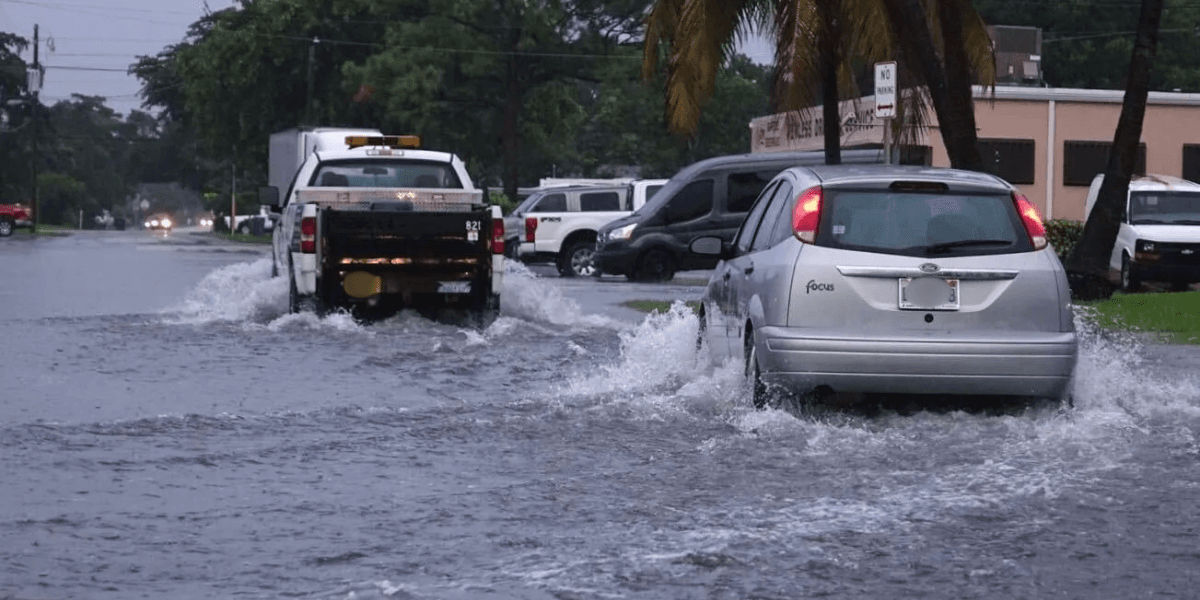
Seasonal high tides and downpours put attention on drainage, property exposure and the challenges facing residents in low-lying coastal communities.
South Florida's housing communities faced renewed attention to flood exposure as heavy showers and the return of seasonal king tides created conditions that could contribute to localized flooding. A weather report published on October 7 by CBS Miami warned of possible heavy downpours and minor coastal flooding, highlighting a recurring concern for residential areas across Miami-Dade and Broward counties.
The forecast did not establish that widespread property damage had occurred. It did, however, illustrate why seasonal water levels and rainfall are relevant to property owners, tenants, landlords and residential property managers in coastal Florida.
Why Coastal Housing Faces Multiple Water Risks
Flood exposure in South Florida is shaped by geography and infrastructure. Many populated areas are low-lying, with homes, apartment buildings, roads and commercial properties located near the Atlantic coast, Biscayne Bay and connected waterways.
Heavy rainfall can overwhelm drainage systems when water accumulates faster than it can be removed. Elevated tidal levels may add to the challenge in locations where stormwater outlets drain into coastal waters.
King tides are seasonal high tides associated with particular astronomical conditions. They can increase water levels along exposed coastlines and contribute to nuisance flooding in vulnerable areas. When these tides coincide with heavy rainfall, some neighborhoods may experience more difficult drainage conditions.
The precise effect varies from property to property. Elevation, drainage design, building construction, surrounding streets and the condition of nearby infrastructure can all influence how a location responds to high water.
For residential housing, the combination makes local conditions more important than a general regional forecast alone.
Implications for Property Owners and Managers
Landlords and property managers must consider how weather exposure affects building operations and resident access. Depending on a property's location and design, relevant concerns may include drainage around entrances, water accumulation in parking areas, ground-floor access and the condition of stormwater systems.
Flooded access roads can also disrupt deliveries, maintenance visits and commuting. Even where a building itself remains dry, surrounding street conditions may affect residents' ability to reach their homes.
Property maintenance is therefore part of flood preparedness. Inspecting drainage points, keeping appropriate pathways clear and understanding where water tends to accumulate can help property managers identify vulnerabilities before severe conditions arise.
These measures do not eliminate flood risk, and they cannot replace infrastructure improvements or professional assessments where significant problems exist. Their value lies in helping owners and managers understand how a property performs under ordinary seasonal stress.
What Renters Need to Know
For tenants, the immediate concerns are often practical: whether access routes are safe, whether parking areas are affected and whether building management has communicated relevant procedures.
Residents in flood-prone neighborhoods may benefit from understanding how their building handles heavy rain and where local alerts are published. They should distinguish between a forecast of possible flooding and a confirmed hazard affecting their specific location.
Rental housing can also experience indirect disruptions. Water accumulation on surrounding roads may delay public transportation, limit access to shops and services or complicate emergency response.
Property managers who communicate clearly during weather events can help residents understand what is known, which areas may be affected and where reliable updates can be found.
Flood Exposure and Property Planning
Seasonal flooding is relevant to long-term housing decisions because repeated water exposure can affect maintenance needs, infrastructure planning and the suitability of particular sites for residential development.
For developers and property owners, drainage capacity and elevation are important considerations when evaluating a location. Existing buildings may also require periodic review of drainage systems and other protective features.
At the neighborhood level, road design, stormwater infrastructure and coastal water management influence the conditions individual properties face. A building's risk cannot always be assessed in isolation from the streets, drainage networks and waterways surrounding it.
The October 7 forecast also demonstrated why flood preparedness should not be limited to major tropical storms. Heavy rainfall and high tides can create localized concerns even without a hurricane directly affecting the area.
The Broader Housing Challenge
South Florida's exposure to seasonal high water has implications for the region's residential resilience. Property owners, local governments and infrastructure planners must consider both immediate weather conditions and the long-term performance of drainage and coastal protection systems.
For rental communities, these issues intersect with resident safety, maintenance budgets and continuity of building operations. For homeowners, they can affect property upkeep and the planning required to manage water exposure.
The forecast alone cannot determine the condition of a particular home or apartment complex. Flooding outcomes depend on local circumstances, and an area mentioned in a regional forecast may experience different conditions from another nearby location.
That is why reliable local monitoring and property-specific information remain important.
Preparing for Seasonal Conditions
The practical lesson from the October 7 outlook is that coastal housing requires attention to both rainfall and tidal conditions. Property managers can review drainage arrangements, communicate with residents and monitor official forecasts. Tenants can remain alert to local conditions and avoid assuming that every neighborhood faces the same level of risk.
For South Florida's residential market, recurring seasonal flooding concerns reinforce the importance of resilient infrastructure and effective property management. Weather events may be temporary, but their implications for building maintenance, resident access and long-term housing planning can extend beyond a single day.
The central issue is not whether every king tide will cause property damage. It is whether communities and buildings are prepared for the localized flooding that can occur when elevated coastal water levels coincide with heavy rain.

Rent Magazine Contributor
This article features partner, contributor, or branded content from a third party. Members of the Rent Magazine editorial staff were not involved in the creation of this content. All views and opinions are those of the contributor alone.
Related Posts
 U.S. Housing Affordability Remains Under Pressure as Mortgage Costs Challenge Homebuyers
Rent Magazine Contributor —October 2, 2026
 Mortgage Rates Jump to 7.28% as Higher Borrowing Costs Reshape Housing Decisions
Rent Magazine Contributor —September 30, 2026