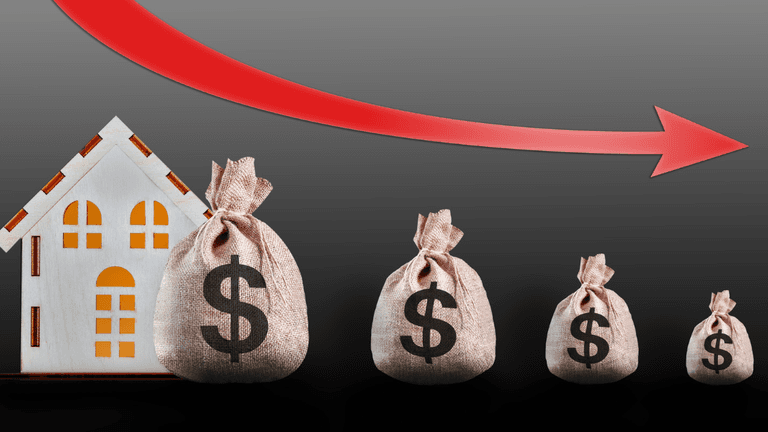
U.S. Housing Payments Ease as Home Prices Decline, but Rising Mortgage Rates Threaten Affordability Gains
Rent Magazine Contributor —November 19, 2026
4 Mins Read
Redfin reported lower weekly mortgage payments and declining home-sale prices, while rising borrowing costs continued to challenge prospective buyers.
Housing Costs Show Limited Relief for Buyers
U.S. homebuyers received a measure of short-term relief as monthly mortgage payments declined to their lowest level in nearly two months, according to a housing market report released by Redfin on November 19, 2026.
The report found that the median monthly mortgage payment reached $2,723 for the four weeks ending November 15, based on a weekly average mortgage rate of 7.11%.
Although payments declined from $2,760 the previous week, they remained 8.2% higher than the corresponding period a year earlier.
The figures highlight the continuing affordability challenges facing households seeking to purchase residential property.
Home prices also showed signs of weakening. The median U.S. home-sale price reached $388,516, representing a 0.4% decline year over year.
The decrease extended a period of falling prices following several years of increases.
For prospective buyers, lower prices can create opportunities to negotiate with sellers. However, mortgage rates remain a major factor determining the total cost of homeownership.
Mortgage Rates Complicate the Market
The decline in monthly payments came as borrowing costs began moving higher again.
Redfin reported that the daily average mortgage rate had climbed into the 7.5% range during the week, creating uncertainty about whether the temporary improvement in monthly housing costs would continue.
A mortgage rate increase can significantly affect the total amount a household pays over the life of a home loan.
Even when a property's asking price declines, higher borrowing costs can offset some of the financial benefit.
This relationship is particularly important for first-time buyers and households with limited savings.
The weekly housing payment estimate also illustrates why changes in interest rates remain closely watched by real estate professionals, lenders and prospective homeowners.
The report's median payment figures reflect national conditions and do not represent the exact costs faced by buyers in every metropolitan area.
Local prices, property taxes, insurance premiums, down payments and financing terms can produce substantially different housing expenses.
Pending Home Sales Reach a Record Low
One of the report's most notable findings involved pending home sales.
Redfin recorded 276,187 pending sales on a seasonally adjusted basis, representing a 15.3% decline compared with the same period a year earlier.
Pending sales also decreased 0.3% from the previous week, reaching the lowest level in the company's records dating back to 2021.
The figures indicate that fewer prospective buyers were moving forward with residential transactions.
A pending sale generally represents a property that has entered a purchase agreement but has not yet completed the closing process.
Changes in pending sales can therefore provide insight into near-term housing market activity.
The decline suggests that affordability pressures and borrowing costs continued to influence purchasing decisions.
For real estate agents, mortgage professionals and home sellers, weaker transaction activity can affect pricing strategies and expectations about how quickly properties will sell.
Inventory and Negotiating Conditions
The report also showed that active housing inventory increased 2.2% year over year to approximately 1.5 million homes.
New listings declined 6.3% compared with the previous year, suggesting that the number of properties entering the market remained relatively constrained.
The national housing market recorded 4.8 months of supply, up from four months a year earlier.
Housing economists commonly consider approximately four to five months of supply consistent with a relatively balanced market, although conditions vary by location.
Redfin also reported that there were more than half a million additional sellers than buyers nationally in a separate analysis.
This imbalance can provide prospective buyers with greater negotiating opportunities.
Buyers may have more room to discuss prices, repairs or seller concessions when competing offers are less common.
However, negotiating power does not automatically translate into affordability for households that cannot qualify for financing at prevailing rates.
Regional Differences Remain Important
National housing statistics can conceal substantial differences among metropolitan markets.
Redfin identified particularly steep year-over-year declines in pending sales in Seattle, Denver and San Diego.
San Diego's reported decline of 24.7% illustrated the challenges facing some higher-cost housing markets.
For Southern California and other expensive metropolitan areas, the relationship between home prices, income and financing costs remains especially important.
Buyers in these regions may face substantial upfront costs even when national price indicators begin to soften.
Landlords and property managers may also monitor purchasing conditions because changes in homeownership affordability can influence rental demand.
When purchasing becomes more expensive, some households may postpone buying and remain in rental housing longer.
What the Report Means for Residential Real Estate
The November housing report presented a market with competing signals.
Lower sale prices and reduced weekly mortgage payments offered limited relief, while rising interest rates and declining pending sales indicated that purchasing conditions remained challenging.
For sellers, the findings suggest that pricing expectations and property presentation may become increasingly important when buyers have more alternatives.
For buyers, the decline in prices may create opportunities, but financing costs remain central to affordability calculations.
For the residential real estate industry, the report reinforces the importance of monitoring interest rates, inventory, transaction activity and local market conditions together.
The latest figures do not establish a uniform direction for every U.S. housing market. Instead, they illustrate a period in which buyers may have greater negotiating leverage while still facing significant financial barriers to homeownership.

Rent Magazine Contributor
This article features partner, contributor, or branded content from a third party. Members of the Rent Magazine editorial staff were not involved in the creation of this content. All views and opinions are those of the contributor alone.
Related Posts
 Apartment Owners Turn to Rental Concessions as Operating Costs Pressure Multifamily Properties
Rent Magazine Contributor —November 15, 2026
 Seven Townhomes Proposed for Venice as Los Angeles Reviews Small-Scale Housing Redevelopment
Rent Magazine Contributor —November 14, 2026