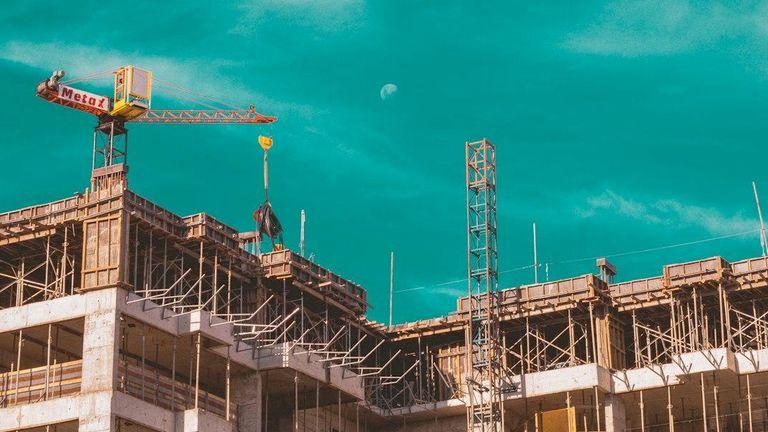
U.S. Apartment Construction Falls to Lowest Level Since 2012 as Developers Pull Back on New Projects
Rent Magazine Contributor —November 21, 2026
4 Mins Read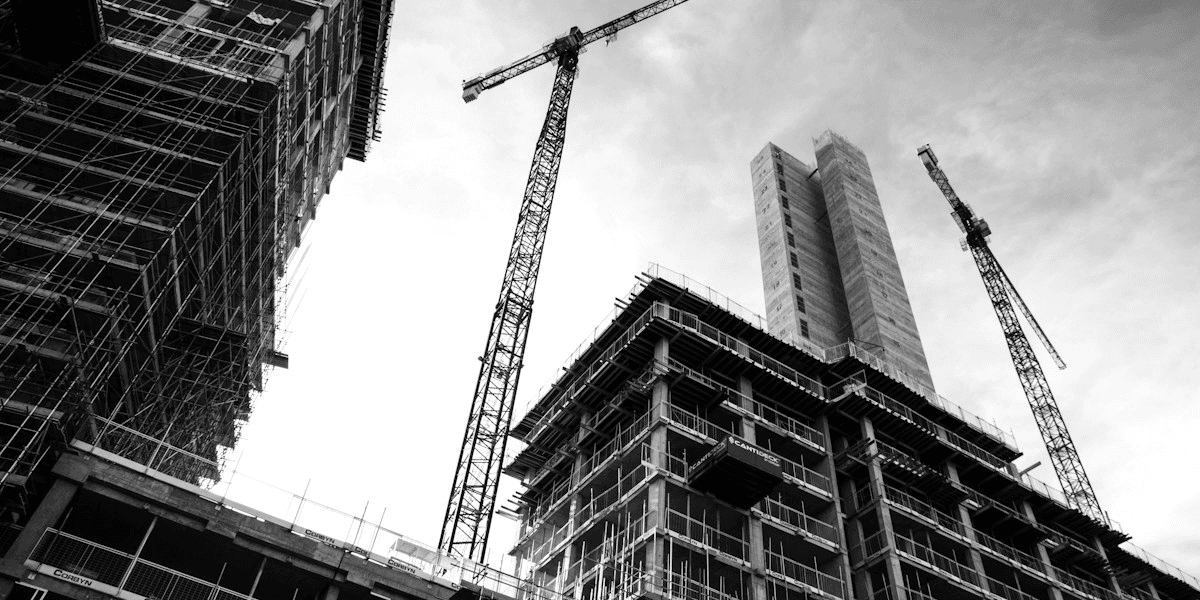
New U.S. apartment construction starts fell to approximately 76,000 units in the third quarter, raising concerns about future rental housing supply.
Apartment Construction Experiences Significant Decline
U.S. apartment construction activity continued to contract during the third quarter of 2026, with new project starts falling to approximately 76,000 units, the lowest quarterly level since 2012.
The figures, released through an Apartments.com and CoStar Group construction activity update on November 20, highlighted a significant slowdown in the development pipeline for multifamily housing.
The quarterly total represented a 63% decline from the peak of nearly 206,000 apartment starts recorded during the first quarter of 2022.
The reduction reflects changing conditions across the residential construction industry, where developers have increasingly faced challenges involving financing costs, construction expenses, project feasibility and rental market conditions.
The decline is particularly important because apartment construction influences the availability of rental housing in major metropolitan areas.
Development Pipeline Continues to Shrink
The CoStar analysis found that approximately 593,000 apartment units were under construction nationwide during the third quarter.
That figure represented roughly half the construction pipeline's early 2023 peak of nearly 1.2 million units.
The number of units under construction also declined for the 14th consecutive quarter.
The reduction indicates that developers have continued completing existing projects while starting substantially fewer new developments.
Over the preceding 12 months, approximately 342,000 apartment units began construction, representing the lowest annual pace since 2014.
The imbalance between completed projects and new construction starts has important implications for future rental inventory.
When fewer projects enter the development pipeline, the number of apartments available for delivery in subsequent years may also decline.
This does not necessarily result in immediate shortages because existing inventory, population movements and local demand also influence housing availability.
However, a sustained reduction in construction activity can create challenges for markets that continue experiencing population growth and demand for rental accommodation.
Apartment Deliveries Also Begin to Ease
The report indicated that approximately 446,000 apartment units were delivered during the previous four quarters.
That represented a 22% decline compared with the preceding year and a 36% reduction from the 2024 peak.
The decline in deliveries reflects the gradual completion of a large development cycle that began during the earlier construction boom.
During that period, developers pursued substantial apartment projects in response to strong rental demand and favorable market conditions.
As financing and development economics changed, the number of newly launched projects declined.
The resulting slowdown is now becoming visible in both construction starts and completed apartment deliveries.
For property owners and developers, the changing pipeline requires careful evaluation of local rental demand, operating expenses and future competition.
Miami Maintains a Significant Development Pipeline
The CoStar report identified important differences among major metropolitan markets.
New York City had the largest apartment construction pipeline, with approximately 46,000 units under development.
Dallas-Fort Worth followed with roughly 32,000 units.
Miami stood out when construction activity was measured relative to existing apartment inventory.
Approximately 9% of Miami's existing apartment stock was under construction, the highest proportion among the markets identified in the report.
Charlotte and Fort Lauderdale followed, each with more than 6% of existing apartment inventory under construction.
Miami's position demonstrates that the national slowdown is not affecting every metropolitan market equally.
Although construction activity has declined substantially across the country, certain cities continue to maintain comparatively large development pipelines.
For South Florida, this is particularly relevant because apartment supply, population movements and housing costs remain important considerations for residents and property professionals.
Texas Markets Experience a Construction Pullback
The report also identified a significant slowdown across several Texas metropolitan areas.
Dallas-Fort Worth, Houston, Austin and San Antonio collectively experienced an approximately 42% decline in apartment construction starts over the previous 12 months compared with the year before.
These markets had previously represented major centers of multifamily development.
Their reduced construction activity illustrates how changing development economics can affect regions that experienced substantial building activity during earlier expansion periods.
The reduction also highlights the importance of evaluating housing markets individually rather than relying exclusively on national construction figures.
Implications for Landlords and Tenants
The decline in apartment construction could influence the rental housing market over time.
A smaller development pipeline may reduce the number of newly completed apartments entering certain markets in future years.
For landlords, this could change the competitive environment, particularly in locations where demand remains stable.
For tenants, the longer-term implications will depend on the relationship between available housing, household formation, population growth and rental affordability.
However, reduced construction does not automatically mean higher rents.
Local market conditions, existing vacancies, employment trends and household purchasing power remain important factors.
A Changing Outlook for Residential Development
The latest figures demonstrate a significant adjustment in the U.S. multifamily construction industry.
Developers have reduced the number of new projects while the pipeline of existing developments continues to contract.
The shift represents an important transition from the substantial apartment-building activity of previous years.
For the residential real estate industry, the central challenge will be balancing development costs, financing conditions and future housing demand.
The continued decline in construction starts makes the future supply of rental housing an important issue for developers, property managers, landlords and tenants across the United States.

Rent Magazine Contributor
This article features partner, contributor, or branded content from a third party. Members of the Rent Magazine editorial staff were not involved in the creation of this content. All views and opinions are those of the contributor alone.
Related Posts
 U.S. Housing Payments Ease as Home Prices Decline, but Rising Mortgage Rates Threaten Affordability Gains
Rent Magazine Contributor —November 19, 2026
 Apartment Owners Turn to Rental Concessions as Operating Costs Pressure Multifamily Properties
Rent Magazine Contributor —November 15, 2026