Southern California Coastal Flooding Raises Concerns for Homes, Access and Shoreline Protection
Rent Magazine Contributor —October 9, 2026
4 Mins Read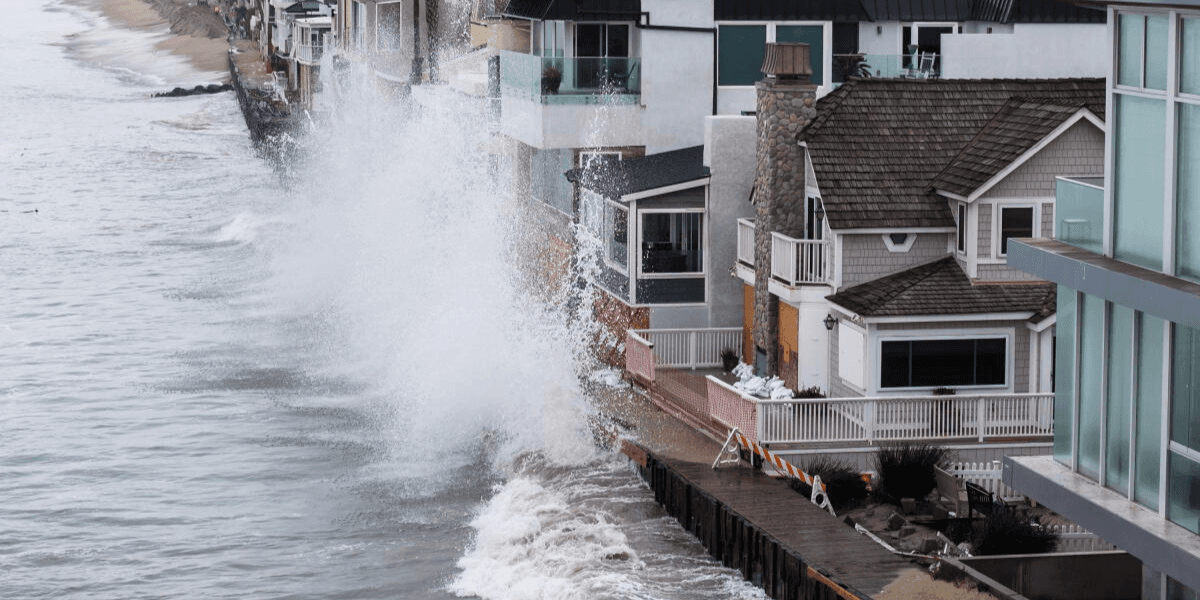
Coastal flooding in Long Beach and Newport Beach highlights risks to homes, roads and shoreline barriers from hazardous surf.
Homes and Streets Affected by Coastal Flooding
Coastal communities in Los Angeles and Orange counties experienced hazardous surf as elevated tides and weather systems associated with Tropical Storm Rachel contributed to flooding along south-facing beaches.
In Long Beach, waves breached a bulkhead and sent water into nearby homes and streets. In Newport Beach, flooding affected roads on the Balboa Peninsula, where water covered sections of the local roadway network.
Los Angeles County officials warned residents and beachgoers about potential coastal flooding, high surf and rip currents. Weather forecasts also called for continued hazardous conditions as tropical moisture and other weather systems affected the region.
The incidents demonstrated how coastal hazards can affect residential neighborhoods as well as public beaches and commercial areas.
How Flooding Affects Residential Properties
Water entering a home can damage flooring, walls, electrical equipment, furnishings and other building components. Even when structural damage is limited, cleanup, inspections and repairs may prevent residents from using parts of a property.
Flooding can also affect access. When streets are submerged or damaged, residents may face difficulty reaching their homes, while emergency services and repair crews may encounter delays.
The consequences can extend beyond the immediate period of high water. Property owners may need to assess damage, arrange repairs and determine whether protective structures or drainage systems require additional work.
The extent of any financial loss depends on the property, the source of the water, the damage sustained and the terms of applicable insurance policies.
The Role of Bulkheads and Shoreline Protection
Bulkheads and other coastal structures are designed to help separate developed land from water and reduce the effects of wave action under specified conditions. Their effectiveness depends on design, maintenance, local geography and the forces they encounter.
The reported breach in Long Beach illustrated that a protective structure does not eliminate the possibility of flooding during severe surf.
Coastal protection also depends on the surrounding beach. Sand can absorb some wave energy, but beach width and elevation change over time as a result of storms, tides and erosion.
Where shorelines have lost sand, properties and protective structures may become more exposed to incoming waves. This makes the condition of the beach an important consideration in broader coastal management.
Implications for Property Owners and Residents
Residents of coastal properties may need to consider several forms of exposure, including direct flooding, erosion, damage to access roads and interruptions to utilities.
The specific risk varies substantially by location. Elevation, distance from the shoreline, drainage, nearby protective structures and local flood history can all influence the potential impact of an event.
Prospective buyers and existing owners may also need to understand the terms of their insurance coverage. Policies differ, and coverage for flooding is not necessarily the same as coverage for other types of property damage.
Following an event, documentation and appropriate professional assessments can help establish the condition of a property. Residents should avoid entering buildings or areas where floodwater may have compromised electrical systems or structural safety.
Weather Forecasts and Access Restrictions
The flooding occurred while Southern California faced forecasts for additional hazardous surf, possible rainfall and coastal flooding. Conditions can differ between neighboring communities, and water levels can change with tides and the timing of incoming waves.
Local authorities may restrict beach access or close roads when conditions pose a danger to residents and visitors. Those restrictions can affect access to residential areas and businesses even when a particular property has not sustained direct damage.
Updated forecasts from the National Weather Service and notices from local governments remain important as weather conditions evolve.
Longer-Term Questions for Coastal Housing
The events in Long Beach and Newport Beach underline the relationship between coastal development and shoreline conditions. Homes and residential infrastructure located close to the ocean can be affected by hazards that change rapidly with weather and tides.
For property owners, the immediate priority is determining whether buildings, access routes and protective structures remain safe. For local authorities, the event raises continuing questions about drainage, shoreline maintenance, emergency access and the management of exposed coastal areas.
The flooding does not establish that every coastal property faces the same level of risk. It does show that residential exposure depends on a combination of physical location, infrastructure and environmental conditions.
As assessments proceed, documented damage and updated shoreline information will help communities understand the scale of the impact and determine what additional measures may be appropriate.

Rent Magazine Contributor
This article features partner, contributor, or branded content from a third party. Members of the Rent Magazine editorial staff were not involved in the creation of this content. All views and opinions are those of the contributor alone.
Related Posts
 South Florida King Tides and Heavy Rain Highlight Flood Risks for Coastal Housing
Rent Magazine Contributor —October 6, 2026
 U.S. Housing Affordability Remains Under Pressure as Mortgage Costs Challenge Homebuyers
Rent Magazine Contributor —October 2, 2026