U.S. Mortgage Rates Ease to 7.32%, but Homebuyers Continue to Face Affordability Pressure
Rent Magazine Contributor —October 23, 2026
5 Mins Read
The average 30-year mortgage rate fell for the first time since late August, offering limited relief to buyers facing elevated borrowing costs.
The average U.S. rate on a 30-year fixed mortgage declined to 7.32% during the week ending October 23, marking its first weekly decrease since late August. The reduction offered a small measure of relief to prospective homebuyers, but borrowing costs remained significantly higher than a year earlier, when the average rate stood at 6.19%.
The change comes during a difficult period for the housing market. Elevated mortgage rates have reduced purchasing power, while high home prices and other ownership expenses continue to challenge households trying to buy a property. Home sales have remained weak, and industry confidence has fallen as builders confront affordability problems and uncertainty about demand.
The rate movement illustrates the sensitivity of housing to borrowing costs. Even a relatively small change can affect monthly payments, but a modest decline does not necessarily restore affordability when rates remain elevated.
A Small Decline After Months of Pressure
Freddie Mac’s weekly mortgage survey put the average 30-year fixed rate at 7.32%, down from 7.40% the previous week. The average 15-year fixed mortgage rate also edged lower, reaching 6.68% compared with 6.71% a week earlier.
Despite the decline, both rates remained well above their levels from the same period in the previous year. For borrowers, the comparison matters because mortgage payments are determined not only by the home’s price but also by the interest rate, loan term and amount borrowed.
The recent rise in rates has been linked to movements in bond markets and inflation concerns. Mortgage rates are influenced by several factors, including Treasury yields, expectations for inflation, investor demand for mortgage-backed securities and the cost of funding loans.
They do not move in lockstep with the Federal Reserve’s policy rate. Even when the central bank leaves its benchmark rate unchanged, mortgage rates can rise or fall as markets reassess the economic outlook.
The latest decline followed a period of upward pressure on long-term borrowing costs. It may provide some relief, but the direction of rates over the coming weeks remains uncertain.
What Higher Rates Mean for Monthly Payments
Mortgage rates directly affect the cost of financing a home. When the interest rate rises, a borrower generally pays more each month for the same loan amount, assuming the term and other conditions remain unchanged.
That can reduce the price of a home a buyer can afford while staying within a monthly budget. Households may respond by looking at less expensive properties, increasing their down payment, delaying a purchase or continuing to rent.
The impact can be particularly significant for first-time buyers, who may have less accumulated equity to put toward a purchase. Existing homeowners with low fixed mortgage rates may also be reluctant to move if a new loan would carry a substantially higher rate.
These decisions affect housing supply and demand. When fewer owners are willing to sell and fewer buyers can qualify for financing, transaction activity may weaken even when people continue to need housing.
The relationship is not identical across the country. Local prices, employment conditions, property taxes, insurance costs and available inventory all influence whether a household can afford to buy in a particular market.
Builders Face a Challenging Market
The mortgage-rate decline comes after homebuilder confidence fell to its lowest level in more than 14 years earlier in October. The National Association of Home Builders and Wells Fargo Housing Market Index dropped to 29, a reading indicating that more builders viewed current conditions as poor than good.
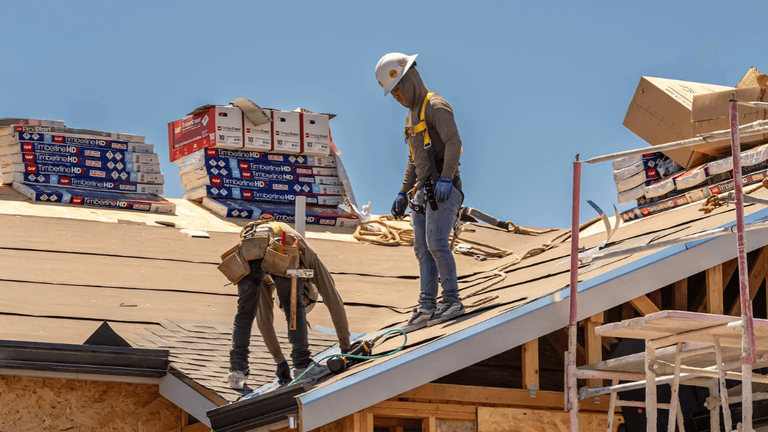
Builders have been contending with higher financing costs, elevated construction expenses and limited buyer traffic. When buyers struggle to qualify for mortgages, developers may have difficulty selling newly completed homes at prices that cover construction and financing costs.
Some builders use price reductions or sales incentives to attract customers. These measures can help support sales but may also reduce profit margins.
A weaker market can influence the pace of new construction. Developers may postpone projects when existing homes remain unsold or when the expected financial return no longer justifies the risk.
That response can have longer-term consequences for housing supply. Slower construction may reduce the number of new homes entering the market, although the effect depends on local demand, existing inventory and the type of housing being built.
The Relationship Between Renting and Buying
Mortgage affordability also affects the rental market. When households postpone buying a home, they may remain renters for longer than expected. That can support demand for rental housing in some communities, especially where employment and population growth continue.
However, rental conditions depend on their own set of factors. The number of available apartments, new construction, household incomes, operating expenses and local regulations can all influence rents.
A decline in mortgage rates does not automatically translate into lower rents. Homeownership and rental housing operate through related but distinct markets, and changes in one can affect the other over time rather than immediately.
For renters considering a future purchase, the decision involves more than comparing rent with a mortgage payment. Buyers must also account for down payments, closing costs, property taxes, insurance, repairs and maintenance. Renting may offer flexibility, while owning can provide stability and potential equity accumulation, depending on individual circumstances and market conditions.
What to Watch Next
Future mortgage rates will depend on inflation, bond yields, economic growth and expectations for monetary policy. The latest decline offers a pause in a period of rising costs, but it does not establish a sustained downward trend.
Homebuyers and housing professionals will also be watching inventory, sales activity and construction plans. A recovery in affordability could encourage some buyers to return, while persistently high costs may keep demand subdued.
The October 23 rate reading captures the tension facing the housing market: borrowing costs have eased slightly, but remain high enough to constrain many buyers. Builders, landlords and households will continue to respond to local conditions, and the impact will vary across markets.
For now, the modest decline offers limited relief rather than a clear turning point. The longer-term outlook will depend on whether financing costs become more manageable and whether home prices, construction expenses and household incomes move toward a more sustainable balance.

Rent Magazine Contributor
This article features partner, contributor, or branded content from a third party. Members of the Rent Magazine editorial staff were not involved in the creation of this content. All views and opinions are those of the contributor alone.
Related Posts
 U.S. Home Asking Prices Fall for First Time Since March as Buyers Face High Mortgage Payments
Rent Magazine Contributor —October 15, 2026
 Exploring Mauritius at Your Own Pace With Hosram Car Rental
Rent Magazine Contributor —October 14, 2026