Southern California Coastal Flooding Highlights Risks for Homes and Properties Near the Shore
Rent Magazine Contributor —September 6, 2026
3 Mins Read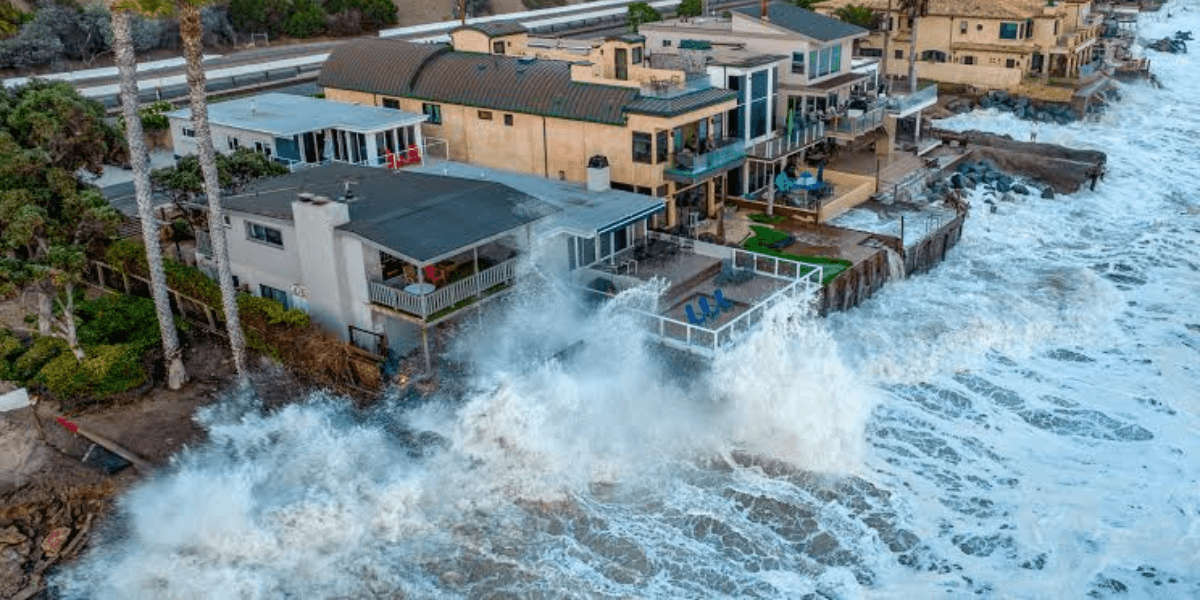
Southern California's exposure to elevated surf and coastal flooding became a property concern over the weekend as Hurricane Marie remained offshore while generating large waves, strong rip currents and localized flooding along portions of the coastline.
The storm did not make landfall in California, but its effects reached Los Angeles County and nearby coastal communities. The National Weather Service warned of flooding affecting low-lying areas, parks, lots and roads, while some municipalities temporarily closed beach parking facilities.
For homeowners, renters and property managers in coastal areas, the event illustrated how properties can face weather-related risks even when a tropical cyclone remains hundreds of miles away.
Coastal Property Faces Multiple Exposures
The immediate hazards associated with Marie included waves reaching as high as 10 feet and elevated rip-current risks. Those conditions affected beaches from Los Angeles County into Orange County and prompted local authorities to restrict access to some areas.
Seal Beach, for example, closed beach parking facilities because of elevated surf and coastal flooding conditions. Such closures can affect residents, visitors and businesses located close to the shoreline.
Coastal flooding can also create challenges for property managers because water can affect parking areas, access roads, landscaping and other exterior infrastructure before reaching buildings themselves.
The risks vary considerably by location. Elevation, drainage, shoreline position and the design of local infrastructure all influence how individual properties respond to flooding and high surf.
Rain Adds Another Risk
Marie also brought rainfall to Southern California.
Forecasters expected much of Los Angeles County to receive approximately a quarter-inch to an inch of rain, with some mountain areas potentially receiving more.
Rainfall creates a separate set of property concerns, particularly in areas with poor drainage or steep terrain.
Recent wildfire burn scars were another consideration. The National Weather Service warned that isolated debris flows could occur in areas affected by recent fires, where damaged vegetation and altered soil conditions can increase runoff risks during heavy rain.
For residential properties near hillsides or recently burned areas, that combination of rain and unstable terrain can be more significant than the storm's broader rainfall totals suggest.
A Reminder for Property Planning
The event highlights a broader challenge for Southern California's real-estate market: coastal properties can be exposed to multiple overlapping environmental risks.
High surf can affect waterfront infrastructure, while rainfall can create drainage problems farther inland. In hillside areas, heavy runoff can increase the potential for erosion or debris movement.
The weekend conditions did not represent a direct hurricane strike, but they demonstrated how distant storms can create localized property impacts.
For landlords, homeowners and property managers, those impacts make local conditions important. A general regional forecast may not fully describe the risks facing an individual property because exposure can differ substantially between neighborhoods.
Conditions Expected to Improve
Marie was weakening and expected to move away from Southern California. Forecasters expected the region to return to warmer weather during the following days, with temperatures climbing back into the 90s in parts of Los Angeles County.
Coastal hazards, however, were expected to persist for several days as ocean conditions gradually settled.
The episode offered a clear example of the relationship between extreme weather and property management. Even without a direct landfall, large waves, flooding and rainfall can affect access, infrastructure and public facilities.
For Southern California's coastal housing market, the event reinforced the importance of understanding local exposure to flooding and surf-related hazards rather than evaluating properties solely through broader regional weather patterns.

Rent Magazine Contributor
Related Posts
 Mortgage Rates Jump to 7.28% as Higher Borrowing Costs Reshape Housing Decisions
Rent Magazine Contributor —September 30, 2026
 Mortgage Rates Rise Above 7% as Higher Borrowing Costs Shape the Fall Housing Market
Rent Magazine Contributor —September 27, 2026