2025 Trends: Why Outbound Telemarketing Services Are Making a Strong Comeback
Rent Magazine Contributor —July 2, 2026
4 Mins Read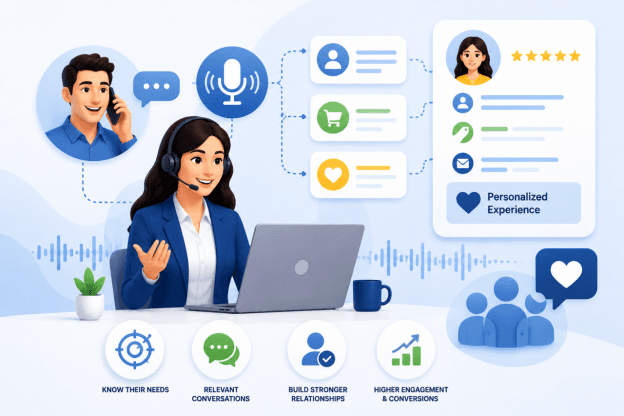
How one outsourcing partner turned data entry into a serious competitive advantage for global businesses.
A business can spend weeks building email campaigns, paid ads, and social posts, only to discover that the most meaningful customer moment still happens during a real conversation. In 2025, many companies are rethinking how they connect with prospects because digital channels have become crowded, fast-moving, and easy to ignore. This shift has brought renewed attention to outbound telemarketing services, especially when they are used responsibly and supported by clear customer outreach strategies.
For teams that rely on trust, timing, and careful follow-up, voice communication offers something digital messages often cannot provide. A trained agent can listen, adjust, and respond in real time. That human connection is one reason telemarketing services are becoming part of a more balanced sales and marketing approach.
Why Telemarketing Services Are Becoming More Data-Driven in 2025
Modern telemarketing services are different from the cold, untargeted calling methods many people remember. Today, campaigns are often guided by customer data, call insights, and better planning. When used with proper consent, accurate records, and clear opt-out processes, these tools can help businesses reach the right audience with a more relevant message.
Predictive dialing, customer relationship management systems, and analytics tools now support many calling teams. These systems can help agents understand call patterns, review customer history, and prepare for more useful conversations. Instead of speaking from a generic script, agents can see past interactions, service notes, or expressed interests before the call begins.
This makes the conversation feel less random. It also helps businesses avoid wasting the customer’s time. Providers such as OBI Services can support companies that want more organized telemarketing solutions while keeping the focus on respectful communication and practical outreach.
Why Outbound Telemarketing Services Still Offer Human Connection
Outbound telemarketing services remain valuable because they give customers access to a real person. Automated messages can be useful for simple reminders, but they cannot always understand hesitation, confusion, or urgency. A live agent can hear tone, pause when needed, and explain information in a way that feels more personal.
Consider a small business owner who receives several emails about a service but has no time to read each one closely. A short, respectful call can clarify the offer, answer questions, and determine whether the service is relevant. Even when the answer is no, the business gains useful feedback and the prospect receives a clearer experience.
This is where human skill matters. Agents can handle objections, ask better follow-up questions, and build rapport. The best calls are not aggressive. They are helpful, brief, and focused on understanding whether there is a real need.
How Lead Generation Techniques Now Blend Voice and Digital Outreach
Lead generation techniques in 2025 are no longer limited to one channel. Many businesses now combine calls with email, SMS, web forms, and social media touchpoints. The goal is not to overwhelm prospects. The goal is to create a smoother path from first interest to meaningful conversation.
For example, a company may send an introductory email first, then follow up with a phone call only when the prospect has shown interest or fits a relevant customer profile. A call can confirm needs, answer questions, and help the sales team understand whether the lead is ready for the next step.
This blended approach makes lead generation techniques more practical. Digital channels can introduce the message, while telemarketing services can add clarity and personal attention. Businesses that need structured outreach support may also benefit from professional sales support solutions designed to help teams manage prospects more efficiently.
How Customer Outreach Strategies Are Becoming More Personal
Customer outreach strategies now depend heavily on personalization. Businesses want customers to feel recognized, not treated like names on a list. Voice interactions can support this goal because agents can adapt the message during the conversation.
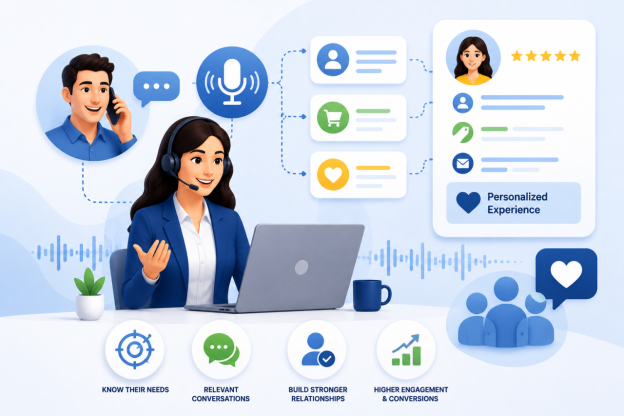
Segmentation helps teams group customers by interest, location, past inquiries, or service needs. With that information, agents can begin calls with context that matters. Scripts still play a role, but they work best as guides rather than rigid speeches. The agent should have room to listen and respond naturally.
Timing also matters. Calling at more appropriate times can improve the customer experience and reduce frustration. Respectful outreach means knowing when to call, when to stop, and how to make the conversation useful.
What Sales and Marketing Techniques Reveal About Voice-Based Engagement
Modern sales and marketing techniques show that voice conversations can support better decision-making. Calls help teams hear the exact words customers use to describe their concerns, needs, and priorities. Those insights can shape future campaigns and improve messaging across other channels.
Voice outreach can also improve lead qualification. A short conversation may reveal whether a prospect is actively looking, only researching, or not a fit at all. This helps sales teams focus their time more carefully and prevents unnecessary follow-up.
Conclusion
Outbound telemarketing services are making a strong comeback in 2025 because businesses are looking for more human, responsive, and practical ways to communicate. Digital tools remain important, but they work best when paired with thoughtful conversations and responsible outreach practices.
The future of telemarketing is not about pressure. It is about relevance, timing, empathy, and useful information. When supported by strong lead generation techniques, personalized customer outreach strategies, and modern sales and marketing techniques, voice-based engagement can help businesses create clearer and more meaningful customer connections.

Rent Magazine Contributor
This article features partner, contributor, or branded content from a third party. Members of the Rent Magazine editorial staff were not involved in the creation of this content. All views and opinions are those of the contributor alone.
Related Posts
 Mortgage Rates Reach 6.95 Percent as Higher Borrowing Costs Pressure U.S. Housing Market
Rent Magazine Contributor —September 19, 2026
 Levelheaded Introduces Keel To Bring AI Dispute Resolution Into Everyday Conflicts
Rent Magazine Contributor —October 2, 2026