Fisher Island Loses Title as America’s Most Expensive ZIP Code, Reflecting Shifts in the Luxury Housing Market
Rent Magazine Contributor —August 5, 2026
4 Mins Read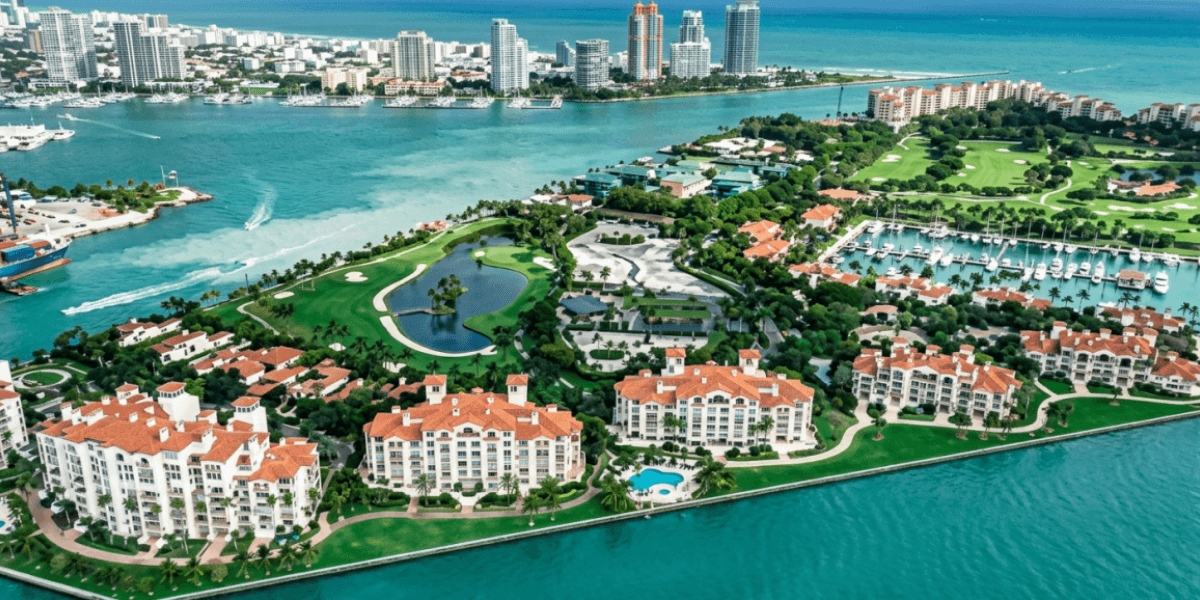
One of the country’s most closely watched luxury real estate rankings changed this week as Fisher Island, Florida, lost its position as America’s most expensive ZIP code. The change, highlighted in new market analyses released and widely reported on August 5, underscores how the nation’s luxury housing market continues to evolve as wealth, investment, and demand shift between major metropolitan areas.
For years, Fisher Island has symbolized ultra-exclusive living. Accessible only by ferry, yacht, or private aircraft, the private island off Miami Beach has attracted executives, entrepreneurs, professional athletes, celebrities, and international investors seeking privacy alongside access to South Florida’s financial and cultural center. Although it no longer holds the top position, real estate professionals emphasize that Fisher Island remains one of the most valuable residential communities in the United States.
A Changing Luxury Market
Recent rankings show that Atherton, California, reclaimed the nation’s top position as the most expensive ZIP code, overtaking Fisher Island after a surge in luxury home values fueled by continued growth in the technology and artificial intelligence sectors. Strong demand from technology executives and investors contributed to rapidly rising home prices in Silicon Valley’s most exclusive communities.
The shift illustrates how regional economic growth can directly influence residential real estate values. While South Florida experienced a significant influx of financial firms, entrepreneurs, and high-net-worth individuals during recent years, Northern California has seen renewed demand driven by expanding investment in artificial intelligence and related industries.
Fisher Island Continues to Command Global Attention
Despite the ranking change, Fisher Island continues to represent one of the country’s most exclusive residential markets.
The island’s limited inventory, private amenities, waterfront location, and controlled access continue attracting affluent buyers from both the United States and abroad. Industry analysts note that luxury markets such as Fisher Island often operate differently from traditional housing markets because a relatively small number of transactions can significantly influence median pricing from year to year.
Real estate professionals also point out that demand for premier waterfront properties remains strong, particularly among buyers seeking privacy, security, and proximity to Miami’s expanding business community.
Luxury Real Estate Continues to Evolve
The latest rankings reflect broader changes occurring within the luxury housing sector.
Rather than being concentrated in one region, demand for high-end residential properties continues expanding across several major markets, including Florida, California, New York, and other established luxury destinations. Buyers increasingly evaluate communities based on lifestyle, tax considerations, business opportunities, climate, and long-term investment potential.
Developers continue responding by introducing new luxury residences featuring wellness amenities, advanced technology, sustainable building practices, and highly personalized services designed to meet evolving buyer expectations.
Limited Supply Supports Long-Term Value
One factor that continues supporting prices within ultra-luxury communities is limited inventory.
Unlike conventional housing markets, communities such as Fisher Island have very little land available for future development. This scarcity helps maintain long-term property values while creating continued competition whenever homes become available for sale.
Industry observers note that many purchases within these exclusive markets are driven by long-term wealth preservation rather than short-term investment objectives. As a result, transaction volumes tend to remain relatively low compared with broader residential markets.
What It Means for the Market
For the broader real estate industry, the latest rankings provide insight into how economic growth influences housing demand at the highest end of the market.
Although ultra-luxury communities represent only a small portion of total residential sales, they often reflect broader trends involving migration, investment, executive relocation, and wealth creation. Changes in these markets are closely monitored by developers, investors, brokers, and economists seeking to understand where demand for premium housing is headed.
The competition among top-tier luxury communities also highlights the continuing strength of the U.S. luxury housing sector despite changing economic conditions.
Looking Ahead
While Fisher Island has relinquished its title as America’s most expensive ZIP code, its reputation as one of the nation’s premier luxury residential destinations remains firmly intact. The island continues attracting affluent buyers seeking exclusivity, waterfront living, and convenient access to Miami’s growing financial and cultural landscape.
The developments highlighted on August 5 demonstrate that leadership within the luxury housing market can shift as regional economies evolve. For buyers, investors, and real estate professionals, the latest rankings serve as another reminder that the nation’s most exclusive residential markets remain dynamic, highly competitive, and closely tied to broader economic trends.

Rent Magazine Contributor
This article features partner, contributor, or branded content from a third party. Members of the Rent Magazine editorial staff were not involved in the creation of this content. All views and opinions are those of the contributor alone.
Related Posts
 Mortgage Rates Jump to 7.28% as Higher Borrowing Costs Reshape Housing Decisions
Rent Magazine Contributor —September 30, 2026
 Mortgage Rates Rise Above 7% as Higher Borrowing Costs Shape the Fall Housing Market
Rent Magazine Contributor —September 27, 2026