May Day Economic Blackout Signals Shifting Pressures in the U.S. Rental Housing Market
Rent Magazine Contributor —May 1, 2026
4 Mins Read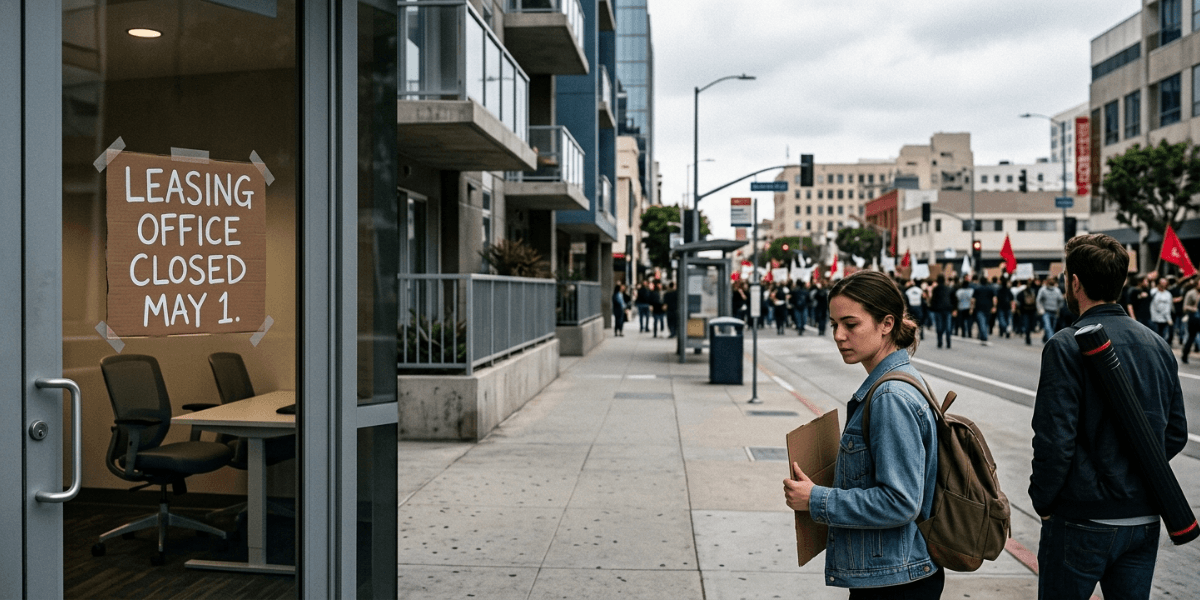
A nationwide economic blackout held on May 1, 2026, is drawing attention not only for its scale of participation but also for its implications on the U.S. rental housing market. Observed alongside International Workers’ Day, the coordinated action encouraged individuals across major cities to pause work and limit spending, creating a ripple effect that extended into housing, property management, and rental operations.
The event, commonly referred to as “May Day Strong,” included thousands of organized activities across the United States. In high-density rental markets such as Los Angeles, New York, and Miami, the temporary slowdown in economic activity provided a real-time snapshot of how workforce behavior directly influences housing stability and landlord-tenant dynamics.
Immediate Effects on Rental Activity
Property managers and leasing offices in several metropolitan areas reported a noticeable decline in routine transactions on May 1. Apartment tours, lease signings, and maintenance requests were reduced as both renters and housing staff participated in the broader economic pause. While this disruption was short-term, it highlighted how dependent the rental ecosystem is on consistent daily engagement.
In many urban centers, where a large portion of residents are renters, even a one-day interruption in workforce participation can affect rent collection cycles, property services, and tenant communication. Although there were no widespread reports of missed payments directly tied to the event, industry observers noted delays in administrative processes and reduced operational capacity in some properties.
Affordability Concerns at the Forefront
A central theme of the May Day demonstrations was the rising cost of living, with housing affordability emerging as a key concern among participants. Renters across the country have faced increasing monthly costs in recent years, particularly in cities where demand continues to outpace supply. The May 1 blackout amplified these concerns, as many participants used the moment to highlight the growing gap between income levels and rental expenses.
According to recent housing market analyses from organizations such as the Joint Center for Housing Studies of Harvard University, a significant portion of U.S. renters are considered cost-burdened, spending more than 30% of their income on housing. This trend has been especially pronounced in major metropolitan areas, where rental prices have remained elevated despite broader economic fluctuations.
The visibility of these concerns during a nationwide event underscores the urgency of addressing affordability challenges within the rental sector. For landlords and property managers, this may signal a need to reassess pricing strategies, lease flexibility, and tenant retention efforts.
Operational Lessons for Property Managers
The economic blackout also offered practical insights for real estate professionals. One key takeaway is the importance of operational resilience. Property management companies that rely heavily on in-person services experienced more noticeable disruptions, while those with digital platforms for leasing, payments, and maintenance requests were better positioned to maintain continuity.
Technology adoption within the rental market has accelerated in recent years, and events like May 1 reinforce its value. Online rent payment systems, virtual leasing tools, and automated communication platforms can help mitigate the impact of unexpected slowdowns or workforce interruptions.
Additionally, the event highlighted the importance of clear communication between landlords and tenants. Proactive messaging regarding office hours, payment options, and service availability can help maintain trust and minimize confusion during periods of disruption.
Broader Implications for the Housing Market
While the May Day blackout was a one-day event, its broader implications for the rental housing market are noteworthy. The coordinated nature of the action demonstrates how workforce sentiment can influence not only employment sectors but also housing stability and market behavior.
For developers and real estate investors, the event serves as a reminder that economic trends are closely tied to tenant capacity and confidence. Sustained concerns about affordability and income stability could influence future demand patterns, particularly in high-cost rental markets.
Moreover, the event highlights the interconnected nature of urban economies. Housing, employment, and consumer activity are deeply linked, and shifts in one area can quickly affect the others. Understanding these relationships is critical for stakeholders aiming to navigate an increasingly complex rental landscape.
Key Takeaways for Industry Stakeholders
The May 1, 2026 economic blackout provides several important insights for those involved in the rental housing sector. First, it underscores the need to address affordability challenges that continue to impact renters nationwide. Second, it highlights the value of operational flexibility and digital infrastructure in maintaining continuity during disruptions.
Finally, the event emphasizes the importance of staying attuned to workforce trends. As renters’ expectations and financial realities evolve, landlords and property managers must adapt to remain competitive and responsive.
Although the immediate effects of the blackout were temporary, its significance lies in the broader conversation it has sparked about housing accessibility, economic participation, and the future of the rental market in the United States.

Rent Magazine Contributor
This article features partner, contributor, or branded content from a third party. Members of the Rent Magazine editorial staff were not involved in the creation of this content. All views and opinions are those of the contributor alone.
Related Posts
 Mortgage Rates Reach 6.95 Percent as Higher Borrowing Costs Pressure U.S. Housing Market
Rent Magazine Contributor —September 19, 2026
 Levelheaded Introduces Keel To Bring AI Dispute Resolution Into Everyday Conflicts
Rent Magazine Contributor —October 2, 2026