“No Kings” Protests Mobilize Millions Across the U.S.
Rent Magazine Contributor —October 19, 2025
3 Mins Read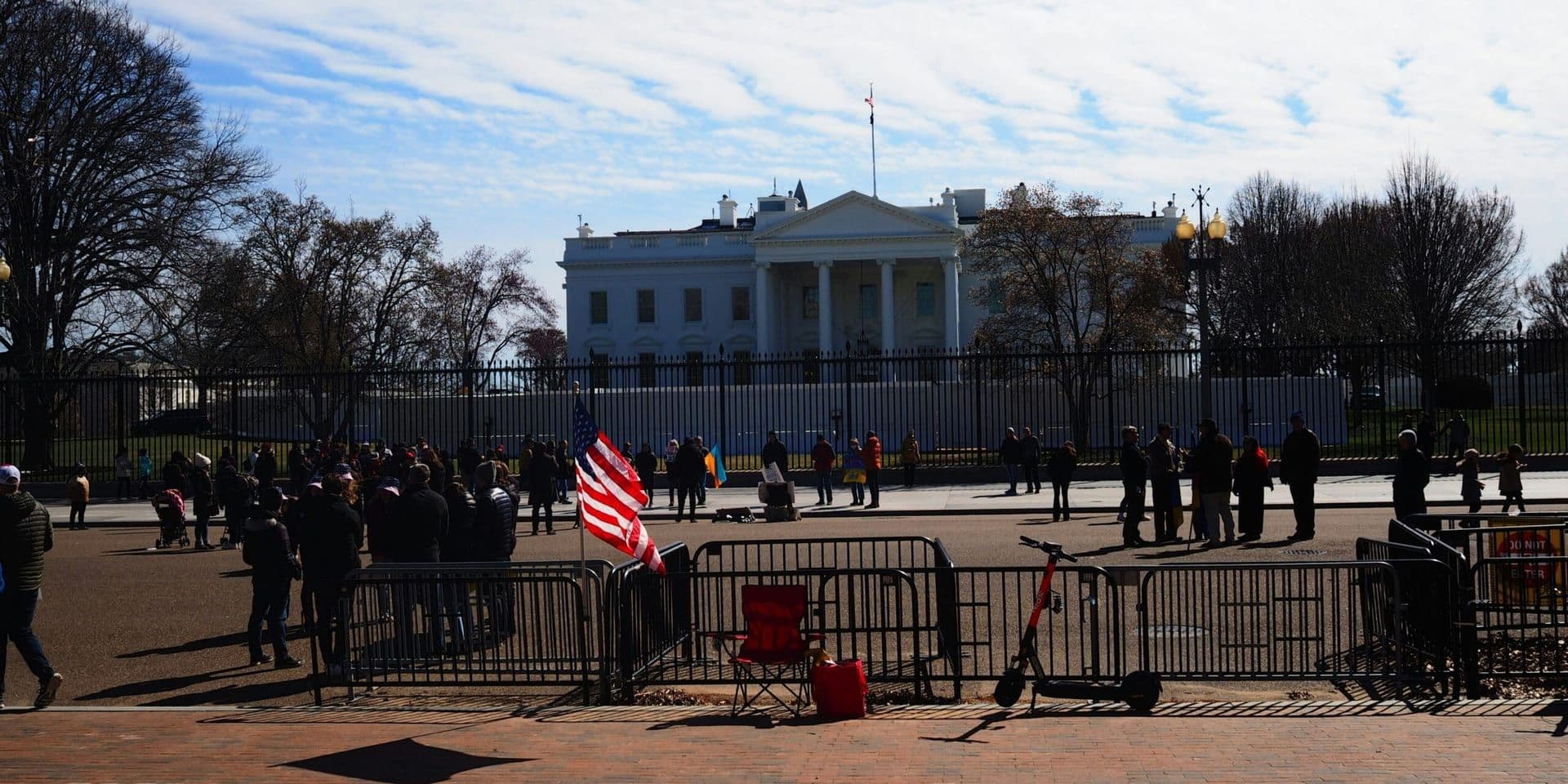
On October 18, 2025, millions of Americans across the country participated in over 2,700 “No Kings” protests, marking one of the largest single-day demonstrations in U.S. history. The protests were driven by widespread dissatisfaction with the policies of President Donald Trump, targeting both his administration and a series of political and social issues that have caused concern among diverse communities. These protests, which took place in cities large and small, reflected a significant turning point in the political landscape, as Americans from all walks of life united to demand change.
The “No Kings” protests were organized by a broad coalition of grassroots movements, activist groups, and political organizations. This coalition, spanning a range of political ideologies, found common ground in their opposition to what they perceive as harmful policies promoted by the Trump administration. While the central message was political opposition to the president’s leadership, the protests also spotlighted a host of other pressing issues, including concerns over housing policies and urban development.
At the heart of the protests was a shared belief that the current political climate, shaped largely by President Trump’s policies, had deepened social divides and contributed to a growing sense of injustice, particularly in urban areas. Housing inequality and the erosion of affordable living options were key points of contention. Many protesters voiced frustration over the rising costs of housing, particularly in major metropolitan areas, where gentrification and displacement were rapidly becoming significant challenges for lower-income and working-class families. These developments have caused widespread concern, as they often push long-time residents out of their neighborhoods in favor of wealthier newcomers, exacerbating inequalities.
The “No Kings” movement drew attention not only to the political consequences of President Trump’s policies but also to broader social justice issues that have been amplified under his administration. As protestors marched in the streets, chanted slogans, and engaged in acts of civil disobedience, they called for a halt to the policies that many believe contribute to the deepening divide between rich and poor, urban and rural, and white and nonwhite communities. The message was clear: the American people were no longer willing to remain silent in the face of what they saw as an administration that had lost touch with the needs of ordinary citizens.
One of the defining characteristics of the protests was their scale and diversity. Participants included people of all ages, races, and backgrounds, from college students and young professionals to older generations who felt the effects of Trump’s policies. The unity displayed among such a diverse group was a powerful testament to the widespread frustration and the belief that political change was urgently needed. Local communities, in particular, took center stage in organizing and leading the marches, demonstrating the growing influence of grassroots movements in shaping the national conversation.
This mass mobilization was also a reminder of the power of collective action. Across the country, demonstrators expressed their dissatisfaction not just with President Trump, but with the broader political establishment. The “No Kings” movement symbolized a call for a political system that was more responsive to the needs of the people, with an emphasis on inclusivity, fairness, and justice for all. Protestors were not only challenging the direction of the country but were also advocating for a new vision—one where the voices of marginalized communities were heard, where public policy addressed the needs of working families, and where economic and social systems were restructured to benefit the many, not just the few.
The protests made a significant impact, sending a clear message to Washington that the American public was not satisfied with the status quo. While it remains to be seen how this moment will translate into lasting political change, the “No Kings” protests undoubtedly represent a pivotal moment in U.S. political history. They reflect a growing political awakening among the American public, one that challenges entrenched power structures and demands a more equitable future. The event also underscores the increasing role of activism and collective organizing in shaping political discourse, signaling that ordinary citizens are ready to take a stand and make their voices heard.

Rent Magazine Contributor
This article features partner, contributor, or branded content from a third party. Members of the Rent Magazine editorial staff were not involved in the creation of this content. All views and opinions are those of the contributor alone.