

Author
Rent Magazine Contributor
 Home Buyers’ Preferences for Window and Door Features: What They Really Want
Rent Magazine Contributor —September 30, 2024
Key Findings from the Latest NAHB Study on Home Buyer Preferences In the 2024 edition of the What Home Buyers Really Want study, the National Association of Home Builders (NAHB) gathered insights from over 3,000 recent and prospective home buyers about their preferences for windows and exterior doors. Respondents were asked to rate various features...
 Leveraging Technology for Efficient Commercial Leasing in 2024
Rent Magazine Contributor —September 30, 2024
September 2024 marked a significant shift in how commercial real estate leasing is conducted, with technology becoming an essential tool in the leasing process. From virtual property tours to digital contracts and automated lease negotiations, technological advancements have streamlined the leasing experience for both landlords and tenants. In response to the changing needs of tenants...
 Homeownership Rates of Family Households: Trends Over the Last Decade
Rent Magazine Contributor —September 25, 2024
Growth in Homeownership Rates Across Family Household Types According to the latest analysis of Census American Community Survey (ACS) data by the National Association of Home Builders (NAHB), homeownership rates have risen significantly across various family household types over the last decade. Notably, single-parent households and multigenerational households have experienced the largest gains. In 2022,...
 Virtual Reality Transforms Property Showings in 2024
Rent Magazine Contributor —September 24, 2024
In August 2024, Virtual Reality (VR) technology is revolutionizing property showings, allowing potential buyers to tour homes remotely and interactively. Companies like Matterport and Redfin have introduced VR solutions that enable immersive, 3D property walkthroughs, providing buyers with a lifelike experience without needing to visit the properties in person. This innovation is particularly advantageous in...
 Affordable Housing Milestone in Miami: A Collaborative Effort to Address the City’s Housing Crisis
Rent Magazine Contributor —September 24, 2024
Miami, FL – In a significant move to combat the city’s growing housing affordability issues, the Related Group has partnered with the Miami Housing Authority to bring much-needed affordable rental units to the area. The two entities announced on September 24, 2024, that they will jointly develop 3,000 rental units over the next decade, aiming...
 The Impact of Rising Property Taxes on Commercial Lease Negotiations
Rent Magazine Contributor —September 24, 2024
As cities around the world grapple with rising property taxes, commercial real estate leasing has been significantly impacted in September 2024. In key urban centers like New York, Chicago, and Los Angeles, landlords are increasingly facing higher property tax assessments, and these increased costs are being passed down to tenants through higher rents and escalated...
 Rising Interest in Multi-Generational Housing as Families Embrace Flexible Living Arrangements
Rent Magazine Contributor —September 22, 2024
As families look for ways to adapt to changing needs, multi-generational housing is seeing a significant rise in popularity. A report released on September 22, 2024, by the U.S. Census Bureau reveals that more families are opting for flexible living arrangements that allow them to live together while supporting caregiving, enhancing family connections, and improving...
 Impact of Short-Term Rental Regulation in Chicago
Rent Magazine Contributor —September 20, 2024
Overview of Short-Term Rental Regulation in Chicago The rise of short-term rentals (STRs), particularly platforms like Airbnb, has raised concerns regarding housing affordability. The increasing popularity of STRs often results in the conversion of long-term rental properties into short-term rentals, further exacerbating the housing supply crisis. In response, several cities, including Chicago, have implemented regulations...
 New York City’s Green Building Mandate: A Step Toward Sustainable Urban Development
Rent Magazine Contributor —September 17, 2024
In September 2024, New York City made a bold commitment to sustainability by introducing a green building mandate that will reshape the city’s skyline and its environmental footprint. Starting in 2025, all new residential and commercial buildings must meet specific environmental certification standards, such as LEED Gold or higher. This new regulation is part of...
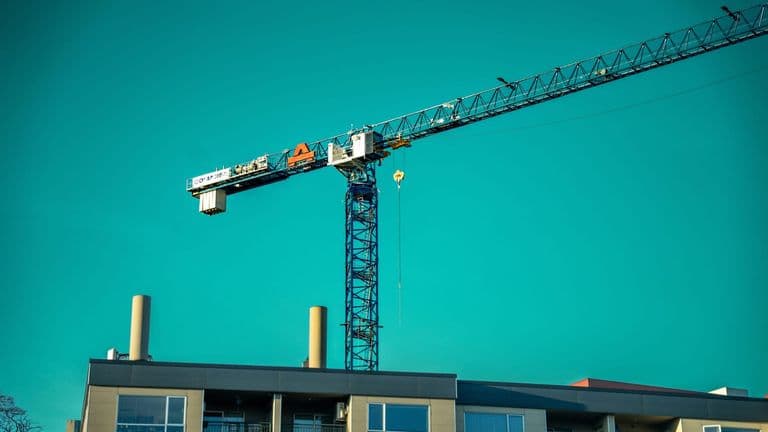 E-Commerce Boom Spurs Surge in Industrial Real Estate Leasing
Rent Magazine Contributor —September 16, 2024
The rapid expansion of e-commerce has dramatically transformed the commercial leasing landscape, particularly in the industrial real estate sector. In September 2024, the e-commerce boom continued to drive demand for warehouse and distribution center spaces, creating a competitive market for industrial leasing. In cities across the United States, including Chicago, Atlanta, and Los Angeles, the...