

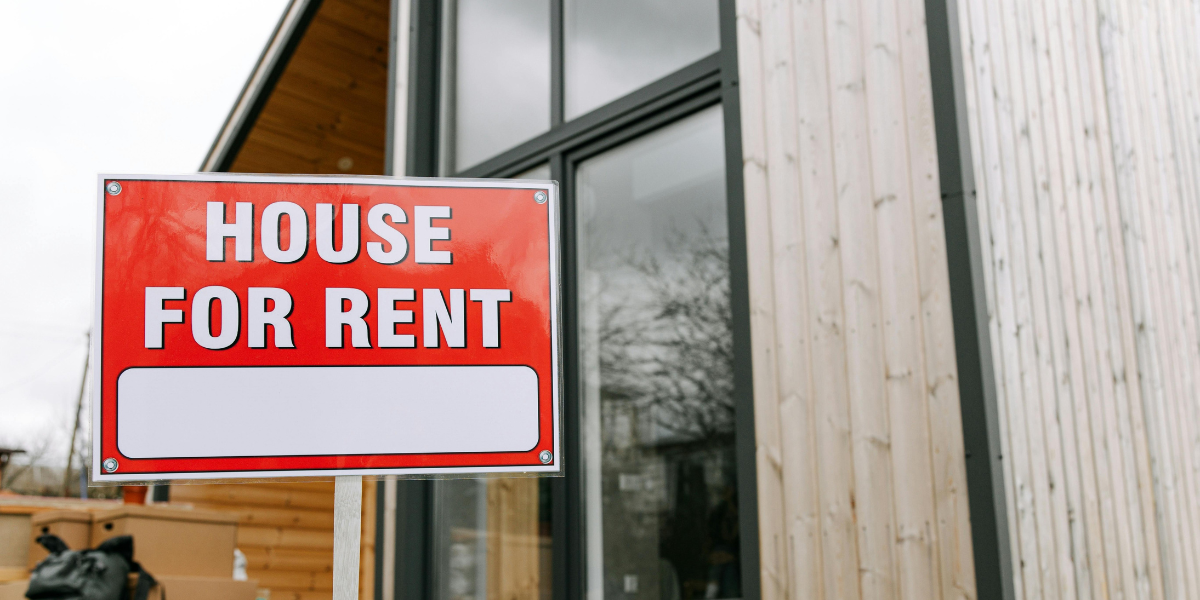
The United States rental housing market entered a significant transition phase on May 19, 2026, as new industry data revealed a slowdown in apartment construction activity across several major metropolitan regions. Real estate analysts say the shift reflects changing economic conditions, evolving renter demand, and rising construction costs that are reshaping both residential and commercial property development nationwide.
Developers, property managers, and housing economists are closely monitoring the trend as the rental market adapts after several years of rapid expansion. While demand for rental housing remains strong in many urban areas, new construction projects have slowed considerably compared to previous years, particularly in cities that experienced large apartment building booms during the post-pandemic housing surge.
According to housing market researchers, developers are facing increased pressure from higher financing costs, labor shortages, insurance expenses, and elevated material prices. These factors have made many large-scale residential projects more difficult to complete profitably, especially in high-density urban markets where construction and land acquisition costs remain elevated.
Several major U.S. cities reported lower numbers of new multifamily housing starts during the first half of 2026, including markets in the Sun Belt, West Coast, and Northeast regions. Analysts say developers are becoming more cautious about launching new projects while monitoring rental pricing trends and occupancy rates.
Despite the slowdown in new construction, demand for rental housing continues to remain stable in many areas due to population growth, affordability concerns in the for-sale housing market, and changing lifestyle preferences among younger renters and working professionals. Housing experts note that elevated mortgage rates have kept many potential homebuyers in the rental market longer than expected, sustaining demand for apartments and rental communities.
Industry leaders say the current adjustment does not necessarily indicate a housing downturn but rather a recalibration after an unusually aggressive period of development. Over the past several years, developers rapidly expanded apartment construction to meet rising demand in growing metropolitan areas. As more units entered the market, competition among property owners increased, causing rent growth to stabilize in some cities.
Property management companies are also adapting to changing renter expectations by investing more heavily in amenities, technology integration, and flexible leasing models. Modern renters increasingly prioritize features such as remote work spaces, smart-home technology, energy efficiency, package delivery systems, and community-oriented living environments.
Technology continues to play an increasingly important role throughout the rental industry. Property operators are expanding the use of artificial intelligence tools, automated leasing systems, digital maintenance platforms, and virtual property tours to improve operational efficiency and tenant experiences. Industry analysts say these innovations are helping landlords manage costs while streamlining communication with residents.
Commercial real estate professionals are also paying close attention to how rental housing trends may influence broader property markets. Mixed-use developments that combine residential units with retail, dining, and office space continue to attract investor interest, particularly in walkable urban districts. However, developers are now evaluating projects more carefully amid changing economic conditions and shifting workplace patterns.
Housing affordability remains one of the most significant issues influencing the rental market nationwide. In many major cities, renters continue facing elevated monthly housing costs despite moderating rent increases. Economists say limited housing supply, strong demand, and rising operating expenses have contributed to affordability challenges for both tenants and property owners.
Some cities are responding by encouraging higher-density residential construction near transit corridors and commercial districts. Urban planners argue that expanding housing inventory over the long term may help improve affordability while supporting economic growth and infrastructure efficiency.
Real estate experts also note that regional migration trends continue affecting rental demand patterns across the country. Markets in Florida, Texas, Arizona, Tennessee, and parts of the Southeast remain attractive destinations for renters seeking lower costs of living and employment opportunities. At the same time, some previously fast-growing cities are beginning to experience slower rent growth as supply catches up with demand.
Institutional investors remain active in the multifamily housing sector, although investment strategies are becoming more selective. Large real estate firms are increasingly prioritizing properties with stable occupancy rates, strong long-term demographic demand, and modern infrastructure capable of supporting future tenant expectations.
The commercial side of the rental industry is similarly evolving as developers adapt mixed-use and office properties to meet changing urban needs. In some cities, underutilized office buildings are being evaluated for residential conversion projects as demand for flexible living arrangements continues to rise.
Industry observers say the rental market’s current transition highlights the importance of adaptability for landlords, developers, and real estate professionals. Companies that successfully balance affordability, technology adoption, sustainability, and tenant experience may be better positioned to remain competitive as the market evolves.
For renters, the slowdown in apartment construction may eventually influence housing availability and pricing in some metropolitan areas if supply growth remains limited over the next several years. However, analysts note that the market remains far more balanced today than during previous periods of severe housing shortages.
As developers continue adjusting project timelines and investment strategies, the U.S. rental housing industry appears to be entering a more measured growth phase shaped by economic caution, technological innovation, and changing renter preferences. Real estate professionals say the next several years will likely determine how effectively the market can balance housing demand, affordability, and sustainable long-term development.