

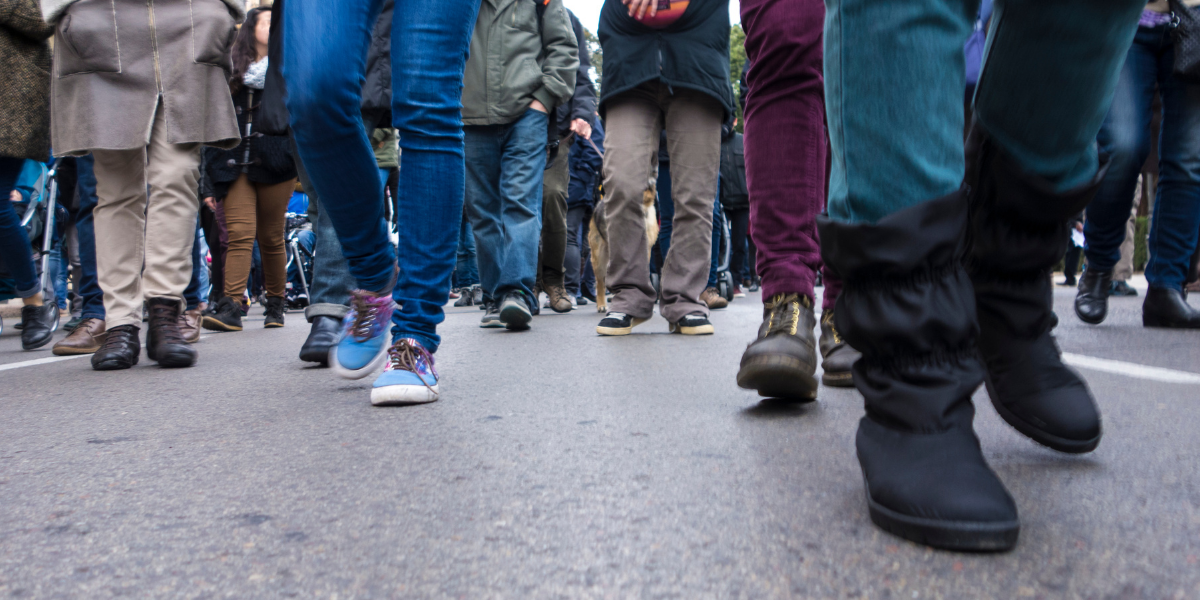
On February 7, 2026, thousands of young workers and labor advocates converged in Washington, D.C., for the Young Worker March on Washington, a large‑scale demonstration calling attention to economic challenges faced by young Americans. Organized by major labor groups including the American Federation of Government Employees (AFGE) and allied unions, the event drew participants from across the country to demand more robust economic opportunities and protections for the next generation of workers.
The march assembled at the Hyatt Regency Washington on Capitol Hill and proceeded to the U.S. Capitol Building, where a rally took place around midday. Participants carried signs, engaged with lawmakers and attended speeches from labor leaders and activists highlighting a range of issues critical to young workers’ economic stability and future prospects.
Central Issues and Demands
The core message of the march centered on what organizers describe as a constellation of crises confronting young workers, including affordability, housing insecurity, healthcare access, childcare challenges, ballooning student debt, and stagnant wages. These issues, they argue, threaten the ability of young Americans to achieve financial independence and long‑term economic security.
Among the primary demands outlined by organizers were:
- A guaranteed federal living wage with automatic adjustments tied to inflation.
- Expanded access to healthcare, including a public healthcare option or expanded Medicare.
- Greater support for education and training, including expanded student loan forgiveness and affordable higher education.
- Increased access to home‑buyer programs and protections against rapid rent increases, particularly in federally subsidized housing.
- Stronger collective bargaining rights and labor protections for younger workers in diverse sectors.
These demands reflect broader concerns about economic inequality and the shifting landscape of work in the United States, where many young adults confront persistent wage stagnation even as the cost of living continues to rise. Organizers emphasized that addressing these structural issues is not merely a matter of individual hardship but a key to broader national economic health.
Context and Broader Economic Concerns
The march took place against a backdrop of economic pressures and evolving labor market conditions. Recent housing market analyses indicate a slow but uneven recovery in key sectors, with affordability remaining a challenge for many, particularly renters and first‑time buyers. Reports project modest improvements in inventory and mortgage conditions in 2026, but sustained affordability pressures could linger for lower‑income and younger households.
Rental markets, in particular, have seen shifts over the past year, including slight declines in rental rates and a rise in rental incentives in many regions. However, multifamily rent costs remain elevated compared with pre‑pandemic levels, and housing affordability continues to be a central concern for young adults transitioning to independent living.
Significance for the Workforce and Policy Implications
The Young Worker March on Washington underscores a growing recognition of the need for targeted policy responses to support economic mobility for younger generations. By spotlighting issues such as wage stagnation, housing affordability, student debt, and healthcare access, the march amplified calls for legislative action that goes beyond traditional employment policy.
Labor leaders and advocates have suggested that federal and state policymakers must consider more comprehensive strategies, such as revisiting minimum wage standards, expanding access to affordable housing, and investing in workforce development programs to equip young workers with the skills needed in a rapidly changing economy.
Economists note that structural investments in these areas could have broader benefits for the national economy by increasing labor force participation, boosting consumer confidence, and enabling a more sustainable foundation for long‑term growth. However, achieving consensus on specific policy measures remains a complex challenge in the current political environment.
Looking Ahead
As the labor movement continues to adapt to new economic realities, events like the Young Worker March on Washington highlight the urgent need for dialogue between workers, unions, employers, and policymakers. This generation’s economic challenges , from affordable housing to equitable wages , are shaping conversations about the role of government and private sector in securing a resilient workforce.
The outcomes of these discussions may influence future labor legislation, housing policy decisions, and workforce development initiatives throughout 2026 and beyond. For young workers who participated in the march, the event served not only as a platform for raising awareness but also as a call to action for meaningful, long‑term improvements in economic opportunity and quality of life.