

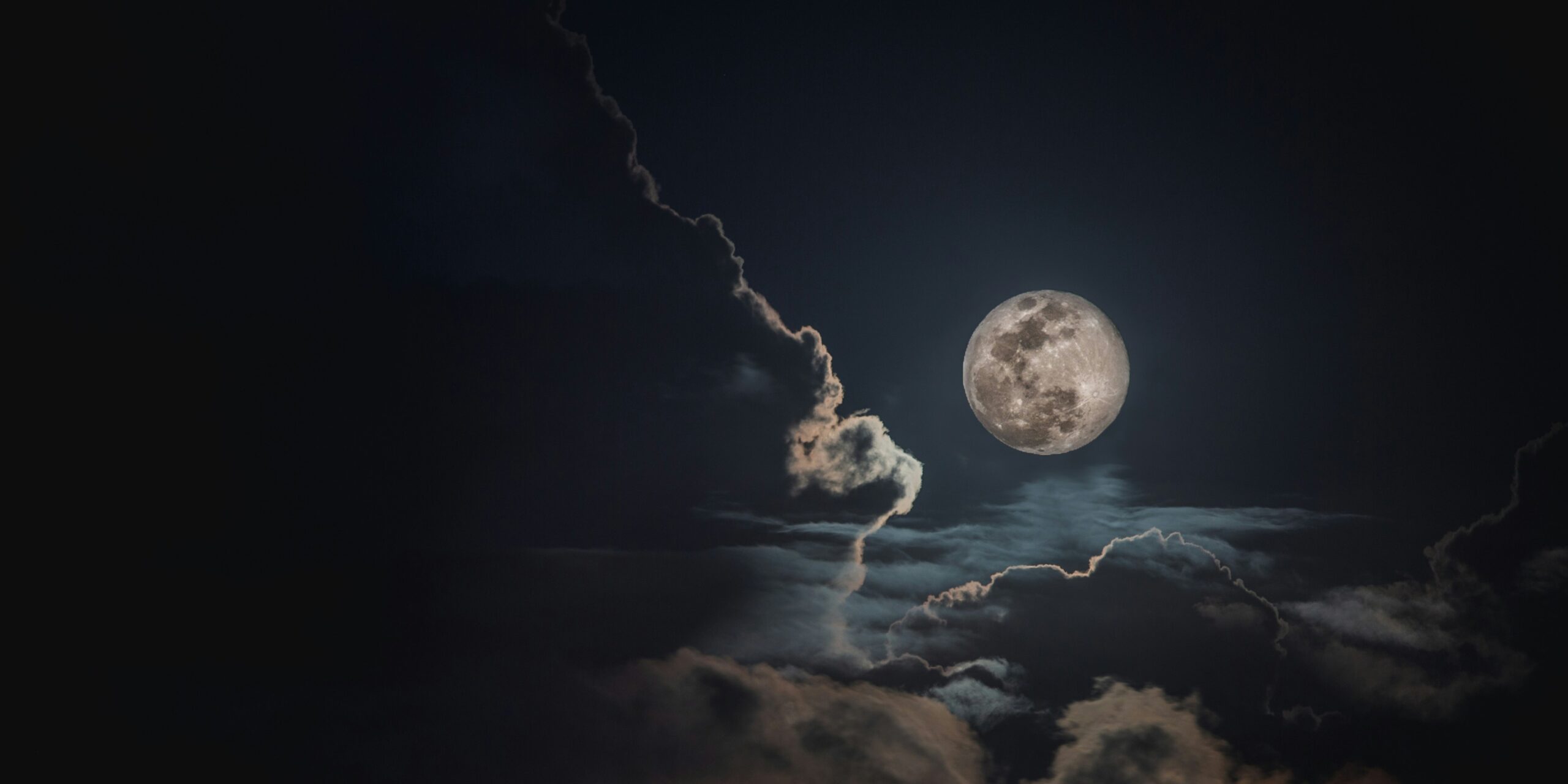
On January 3, 2026, skywatchers across the United States were treated to a mesmerizing celestial event: the first full moon of the year, known as the Wolf Moon, coincided with a supermoon at its peak illumination. This rare occurrence captivated observers as the moon appeared significantly brighter and larger than usual, providing a spectacular sight for those fortunate enough to witness it under clear skies.
The Super Wolf Moon was an exceptional spectacle because it occurred during the moon’s perigee, the closest point in its orbit to Earth. At perigee, the moon’s gravitational pull on Earth is slightly stronger, causing the moon to appear both larger and brighter in the sky. The Super Wolf Moon was reported to be up to 30% brighter and up to 14% larger than an average full moon. For stargazers and casual observers alike, this was a unique opportunity to witness the moon in all its splendor, offering a vivid, silvery glow in the night sky.
The event unfolded during a time when the Quadrantid meteor shower, one of the year’s most prominent meteor showers, was also peaking. However, the brightness of the supermoon was a double-edged sword. While the meteor shower was at its peak, the overwhelming brightness of the supermoon made it difficult to spot the meteors, especially in areas affected by light pollution. Those who ventured away from city lights or found a quiet spot in rural areas were able to enjoy the best views of the meteors, which appeared as swift streaks of light across the night sky.
For some regions, cloud cover disrupted the view of the Super Wolf Moon, but central states and parts of the East Coast were fortunate enough to experience clear skies. This allowed many to catch a glimpse of the spectacular event just as the moon reached its peak brightness in the early evening hours.
Astronomers and meteor experts pointed out that while the supermoon was a highlight, it also marked a key moment in the annual celestial calendar. The Quadrantid meteor shower, which typically reaches its peak in early January, is known for its brief yet intense display of meteors. However, the bright light of the supermoon made the meteors more challenging to see for casual observers, reducing the visibility of the meteor shower for many.
In areas free from the distractions of city lights, however, stargazers had the opportunity to enjoy both the dazzling supermoon and the meteor shower. With the cool winter air and crisp skies, these fortunate observers were able to take in the full majesty of the celestial spectacle.
This year’s Super Wolf Moon was a reminder of the vastness and beauty of the universe, offering an opportunity for people across the country to pause and take in the wonders of the night sky. Whether observing the moon or the brief but spectacular meteor display, many were left in awe of the natural world above them.
As the year continues, skywatchers will be looking forward to other astronomical events, but the Super Wolf Moon will certainly remain one of the most memorable moments of early 2026. For those who missed the event or simply want to relive the experience, the next supermoon will provide another chance to see the moon in its full glory.