

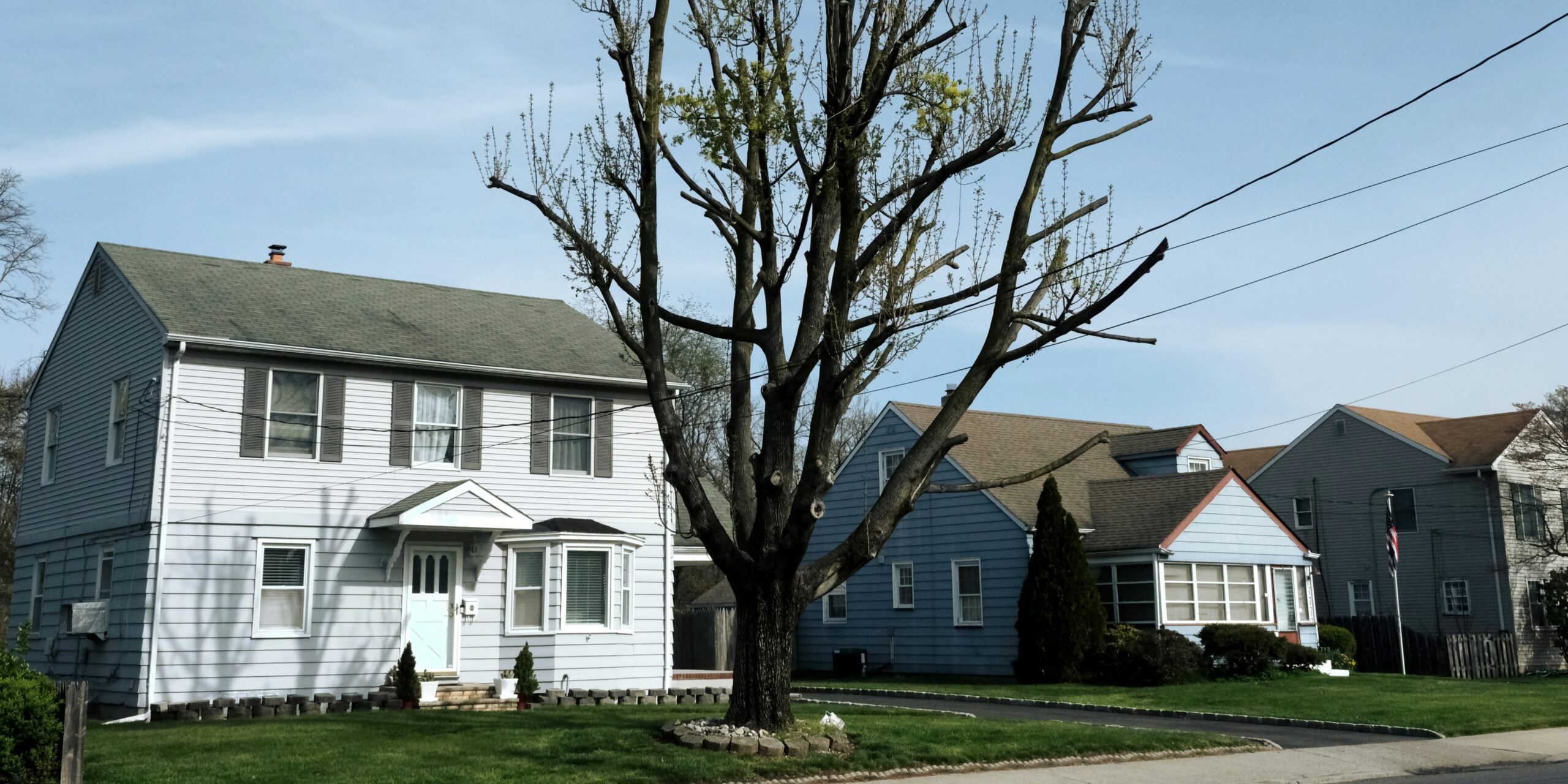
New housing and mortgage data released in December point to a U.S. real estate market caught between modest stabilization and persistent affordability challenges, offering mixed signals for prospective homebuyers heading into the winter months. While mortgage rates have edged down slightly from earlier peaks this year, they remain elevated compared with the ultra-low borrowing costs of the pandemic era, continuing to weigh on demand and limit the supply of homes available for sale.
Economists and housing analysts say the market’s current dynamics reflect a prolonged adjustment period following years of rapid price growth and aggressive monetary tightening. Rather than a sharp downturn or a full rebound, the data suggest a housing sector settling into a constrained equilibrium, with activity improving at the margins but still well below pre-2022 norms.
Mortgage rates, a key driver of housing demand, showed modest easing in recent weeks. The average rate for a 30-year fixed mortgage declined slightly in December after reaching multi-decade highs earlier in the fall. Despite this improvement, rates remain well above the sub-4 percent levels that dominated much of the previous decade. For many buyers, especially those sensitive to monthly payment increases, the difference has been enough to delay or derail purchasing plans.
High borrowing costs have also reinforced what analysts commonly describe as the “lock-in effect.” Millions of existing homeowners refinanced or purchased homes when rates were historically low, leaving them reluctant to sell and take on new mortgages at significantly higher rates. As a result, many homeowners are choosing to stay put, reducing the flow of listings onto the market and tightening inventory.
Existing home sales data released in November offered some signs of stabilization. Sales posted a modest month-over-month increase, breaking a pattern of declines seen earlier in the year. However, activity remained well below levels recorded before the Federal Reserve began raising interest rates aggressively to combat inflation. On a year-over-year basis, existing home sales continued to lag, underscoring the depth of the slowdown.
Housing supply remains one of the market’s most pressing constraints. While new construction has picked up in some regions, particularly in the South and parts of the Midwest, the pace has not been sufficient to offset the lack of existing homes for sale. Nationally, inventory levels remain tight by historical standards, limiting options for buyers and helping to keep home prices elevated even as demand cools.
Home prices, which surged during the pandemic, have largely held steady in recent months rather than falling sharply. In some metropolitan areas, prices have edged down slightly, but nationwide measures show values remaining resilient. Analysts attribute this stability to the imbalance between supply and demand, as well as to homeowners’ relatively strong balance sheets compared with the period leading up to the 2008 housing crisis.
For first-time buyers, the current environment is especially challenging. Higher mortgage rates have pushed monthly payments significantly above what many households budgeted for, while limited inventory reduces opportunities to find entry-level homes. Down payment requirements and competition for lower-priced properties continue to pose hurdles, particularly in urban and high-growth markets.
Affordability metrics remain near their weakest levels in decades. According to economists, the share of income required to purchase a median-priced home is substantially higher than historical averages. While wage growth has helped offset some of the pressure, it has not kept pace with the combined impact of higher prices and borrowing costs.
Some relief may be emerging on the horizon, but analysts caution against expecting rapid changes. The Federal Reserve has signaled that interest rate cuts could be possible in 2026 if inflation continues to ease, but policymakers have emphasized that decisions will be data-dependent. Even if rates decline gradually, mortgage costs are unlikely to return to the lows that reshaped the housing market earlier this decade.
Seasonal factors also play a role as the market enters winter. Home sales typically slow toward the end of the year, and fewer listings are expected until spring. This seasonal lull can amplify volatility in monthly data, making it difficult to assess underlying trends based on short-term fluctuations.
Regional differences remain pronounced. Markets that experienced the sharpest price increases during the pandemic, including parts of the West and Northeast, have seen more noticeable slowdowns. In contrast, more affordable regions continue to attract buyers, particularly remote workers and retirees seeking lower costs of living.
Builders are responding cautiously to these conditions. While housing starts and permits have shown some improvement, developers remain wary of overbuilding amid uncertain demand. Construction costs, labor shortages, and financing conditions continue to influence decisions, limiting how quickly new supply can come online.
Looking ahead to early 2026, economists expect many of the same forces to remain in place. Elevated mortgage rates, constrained inventory, and affordability pressures are likely to continue shaping buyer behavior. While modest improvements in sales activity are possible if rates drift lower, a dramatic rebound appears unlikely without a significant shift in borrowing costs or supply conditions.
For prospective buyers, experts advise patience and careful budgeting. Many recommend monitoring local market conditions rather than relying solely on national trends, as opportunities can vary widely by region. For sellers, the data suggest that well-priced homes in desirable areas can still attract interest, but expectations may need to adjust from the frenzied conditions of recent years.
Overall, the December housing data paint a picture of a market in transition rather than crisis. While challenges remain, particularly for first-time buyers, the gradual stabilization in sales and mortgage rates suggests the housing sector is adapting to a new, higher-rate environment. As the market heads into 2026, affordability and inventory are expected to remain central concerns for policymakers, industry leaders, and households alike.