

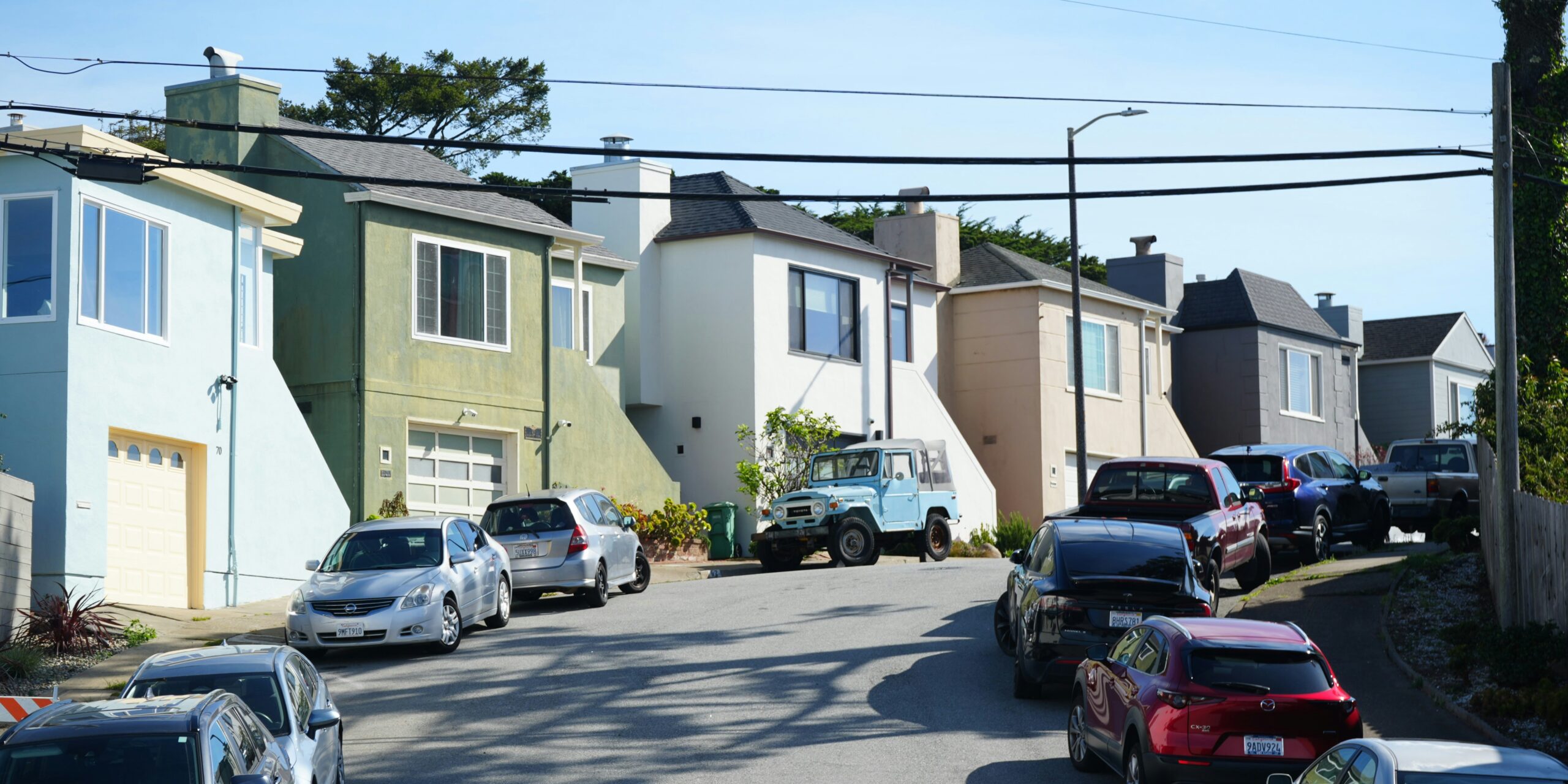
As the U.S. heads into 2026, the residential real estate market is showing signs of stabilization, driven by positive macroeconomic signals, including easing inflation and expectations of interest-rate cuts. After a period of volatility, the market appears poised to enter a phase of more predictable growth, with both prospective homebuyers and renters potentially benefiting from a shift in conditions.
Recent outlooks from major real-estate firms like CBRE indicate that demand for multifamily housing and residential rentals remains strong, despite ongoing changes in construction and capital-market conditions. These shifts are gradually improving, which is likely to foster a more stable environment in the real estate sector. Investors are also showing renewed confidence in the market, with some analysts suggesting that capitalization (cap) rates, which have been under downward pressure in recent months, may begin to compress, especially for properties in high-demand areas.
While the overall outlook for the housing market is becoming more optimistic, there are still key factors that will shape its trajectory. Urban and suburban markets with high demand are expected to see a rebound in interest, driven by continued population growth, economic development, and the desire for housing in accessible, well-connected locations. However, challenges remain in terms of affordability, which is likely to limit activity in certain price-sensitive regions. Prospective homebuyers and renters may find themselves with more housing options as conditions improve, but affordability will continue to be a significant hurdle for many.
For those looking to purchase homes, mortgage rates and the cost of ownership remain key concerns, especially in regions where housing prices are higher. While there are signs that interest rates could ease, which would help lower the cost of borrowing, it’s unlikely that housing affordability will improve dramatically in the short term. For renters, the demand for rental properties is expected to remain strong, offering more choices, but rental rates could still reflect high demand in sought-after areas.
Ultimately, while the market appears to be stabilizing, affordability will remain a critical issue. As economic conditions shift and interest rates adjust, the housing market in 2026 is likely to reflect a balance between increased demand, investor confidence, and the ongoing challenges posed by affordability.