

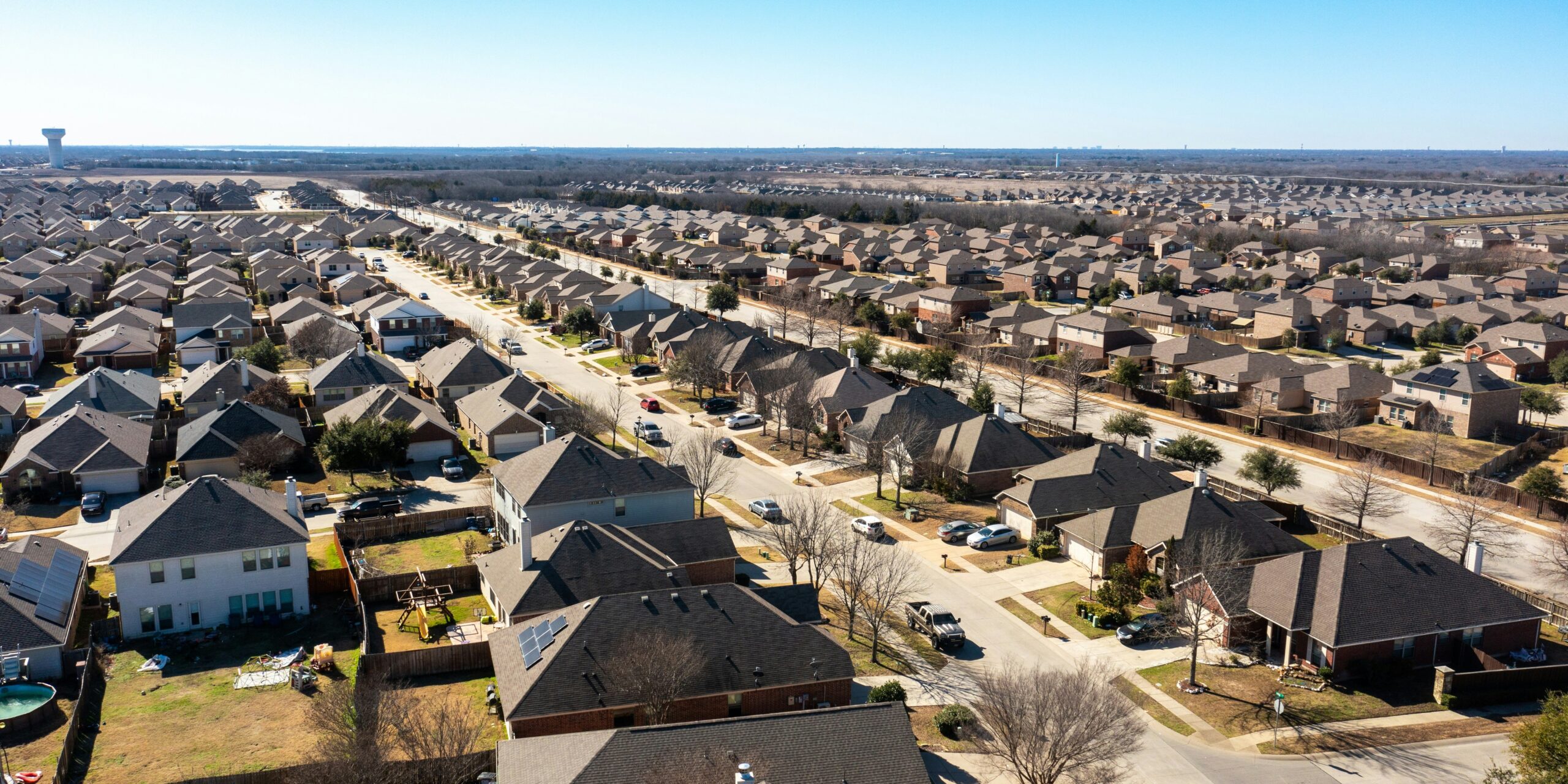
The U.S. residential housing market is showing tentative signs of stabilization in early November 2025, following several years of volatility marked by rapid home-price increases, limited inventory, and soaring mortgage rates. Although no single national report was released directly tied to November 3, recent data and commentary from market analysts, real estate professionals, and financial institutions suggest that the sector may be shifting toward a more balanced footing.
In recent months, mortgage rates have begun to plateau rather than continue their upward trajectory. While rates remain elevated by historical standards, they have hovered around the 6% range, providing a measure of predictability for buyers and sellers alike. This leveling off has allowed the market to adjust after the turbulence of previous years, when fluctuating rates and inflationary pressures made it difficult for many to plan purchases or sales with confidence.
Simultaneously, housing inventory is showing signs of improvement after a long period of being deeply constrained. Active listings have increased in several regions compared to the same time last year, offering buyers more options and helping to relieve some of the competitive intensity that defined the pandemic-era housing boom. The rise in inventory has been driven by a mix of seasonal trends, slower turnover, and a modest uptick in new construction, even as builders remain cautious due to higher material and labor costs.
The new construction sector itself is experiencing a measured pullback. After a period of aggressive building in 2020 through 2022, many homebuilders are now adjusting to a new economic reality. The combination of sustained high borrowing costs and concerns over affordability has made developers more selective about the projects they pursue. As a result, the pace of housing starts has slowed, contributing to the broader cooling effect in the market.
This moderation is translating into noticeable changes in buyer and renter behavior. For prospective homeowners, the days of intense bidding wars and waived inspections may be receding. While home prices are still high in many metro areas, the urgency that previously compelled buyers to make hasty offers has decreased. Buyers now have slightly more negotiating power, more time to evaluate properties, and greater ability to make decisions based on long-term suitability rather than short-term pressure.
For renters, the shift may also bring modest relief. In the peak pandemic years, limited availability of for-sale homes pushed more people into the rental market, intensifying competition for apartments and single-family rentals. Now, with more housing units available and a decline in the pace of price increases, renters in some areas are beginning to see longer lead times, fewer bidding wars, and a broader range of choices. However, the degree of improvement varies widely depending on the region, local supply dynamics, and employment trends.
One major theme emerging from the current transition is the growing disparity between regional housing markets. While some areas—particularly those with strong job markets and population growth in the South and West—continue to see demand-driven pressure, others are experiencing more pronounced cooling. High-cost urban centers, such as San Francisco and New York, have seen slower price growth or even slight declines, reflecting affordability constraints and migration patterns that began during the pandemic.
Another dynamic shaping the current environment is the so-called “lock-in effect.” Millions of homeowners refinanced their mortgages during the low-rate environment of 2020 and 2021, securing rates as low as 2.5% or 3%. These homeowners are now reluctant to sell and move into a new mortgage with double the interest rate, which has kept existing-home inventory tight despite broader stabilization. This phenomenon has had a dampening effect on overall market turnover, keeping transaction volumes at historically low levels even as prices and inventory slowly adjust.
Industry forecasts suggest that home prices will likely grow modestly in the near term—perhaps in the range of 2% to 3% annually—barring significant economic disruptions. This would mark a return to more traditional patterns of appreciation and stand in contrast to the double-digit gains seen during the height of the post-pandemic housing frenzy. However, the outlook remains uncertain. Should mortgage rates drop significantly, renewed buyer activity could once again tighten inventory and drive prices upward. Conversely, a weakening labor market or a resurgence in inflation could dampen demand and put downward pressure on prices.
In the broader context, the stabilization of the housing market carries significant implications for the U.S. economy. Housing is a key driver of economic activity, influencing everything from construction and employment to consumer spending and wealth generation. A more predictable and balanced housing environment could help support broader financial stability and reduce economic stress for households across income levels.
While the U.S. housing market is far from back to pre-pandemic norms, early signs in November 2025 indicate that the sector may be entering a calmer, more sustainable phase. With mortgage rates holding steady, inventory gradually increasing, and buyer behavior becoming more measured, the overheated conditions of recent years appear to be cooling. For both buyers and renters, this evolving landscape may offer a rare opportunity to make housing decisions with greater clarity and less pressure than before.