SpaceX Launches Record-Breaking Starlink Mission from Cape Canaveral
Rent Magazine Contributor —June 23, 2025
3 Mins Read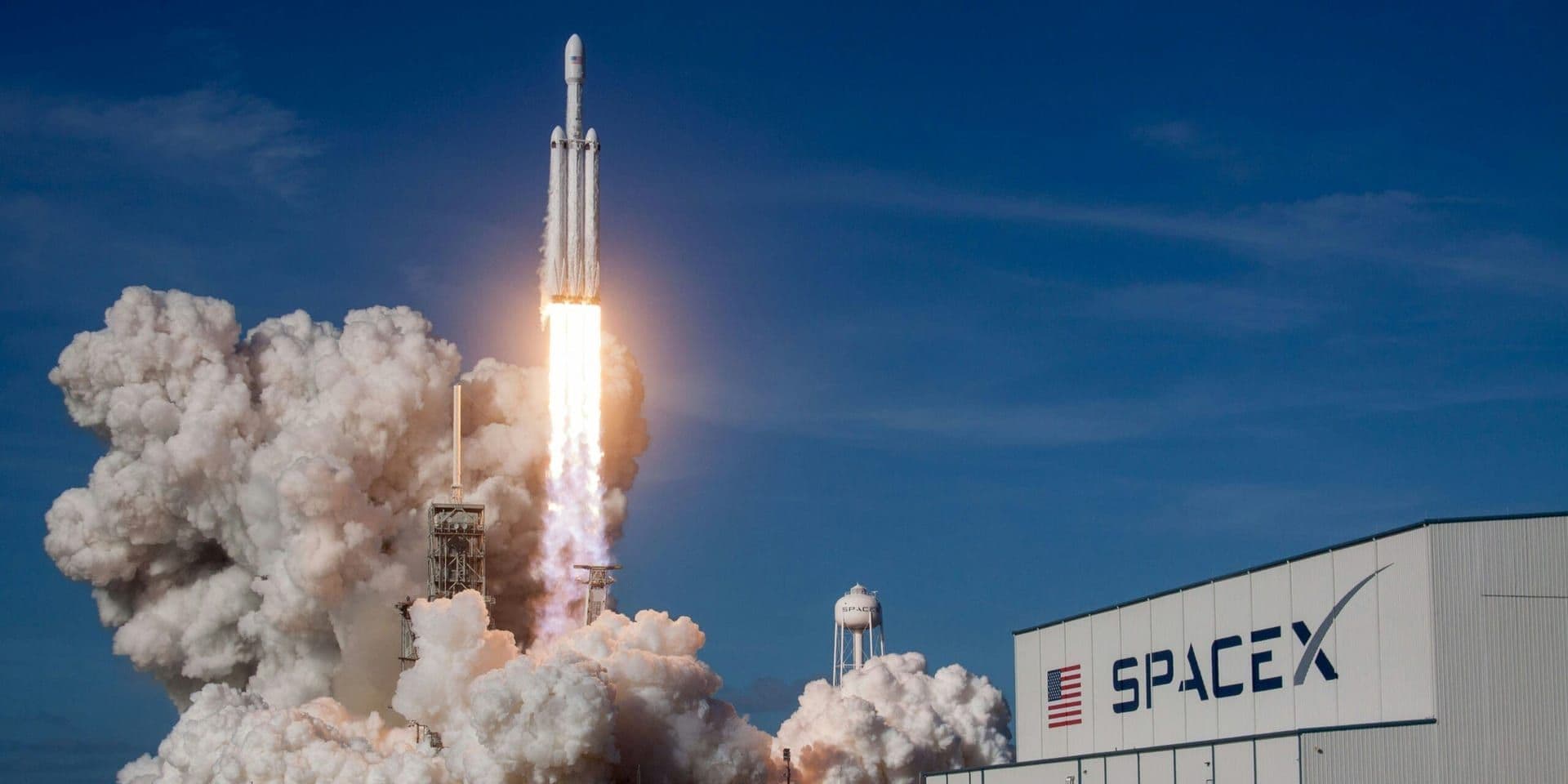
On June 22, 2025, SpaceX executed a landmark dual-launch operation, deploying nearly 100 satellites within 18 hours and reaffirming its dominant role in commercial spaceflight. The day began with the successful liftoff of a Falcon 9 rocket from Cape Canaveral’s Space Launch Complex 40 at 05:47 UTC, which deployed 27 Starlink v2 mini satellites into low-Earth orbit. Designated the “Group 10-23” mission, this launch marked the most ambitious deployment of miniaturized broadband satellites in a single mission to date, further advancing the Starlink global internet network.
Just hours later, at 21:18 UTC, another Falcon 9 launched from Vandenberg Space Force Base’s SLC-4E on the opposite coast, carrying 70 smallsats as part of the Transporter-14 rideshare mission. This back-to-back launch day not only demonstrated the operational prowess of SpaceX’s reusable Falcon 9 rockets but also underscored the company’s role as a leading provider of access to space for a wide range of clients—including commercial enterprises, academic institutions, and non-profit organizations.
The Starlink v2 mini satellites launched from Florida are designed to bolster the growing network’s broadband capacity. Smaller and more efficient than earlier generations, these v2 satellites play a critical role in expanding the reach of Starlink’s services, particularly to rural and underserved regions where traditional infrastructure is limited. As of June 2025, the Starlink constellation has grown to over 7,700 satellites, making it the largest satellite network in human history.
Meanwhile, the Transporter-14 mission carried a diverse mix of payloads, including Earth observation satellites, communications devices, and experimental technologies. This rideshare program has become a cornerstone of SpaceX’s mission portfolio, offering low-cost, scheduled launches for customers who might otherwise struggle to afford dedicated launches. With pricing starting around $300,000 for a 50-kilogram payload, SpaceX has significantly lowered the barrier to entry for space-based initiatives.
Both launches featured reusable first-stage boosters—a hallmark of SpaceX’s strategy to reduce launch costs and increase cadence. While booster numbers for these missions were not immediately disclosed, previous missions have seen Falcon 9 first stages return to either droneships stationed in the Atlantic and Pacific or land-based landing zones. This reusability model has enabled SpaceX to achieve a record-breaking launch frequency while maintaining high safety and performance standards.
The June 22 missions also underscore the strategic value of SpaceX’s bi-coastal launch capabilities. With Cape Canaveral handling the eastward launches to lower inclination orbits and Vandenberg managing sun-synchronous polar trajectories, SpaceX can support a wide variety of missions from different locations in quick succession. This flexibility is critical for clients with time-sensitive payloads or specific orbital requirements.
Beyond technical achievements, these launches reflect broader shifts in the aerospace industry. Private sector space firms like SpaceX are increasingly taking on roles traditionally held by government agencies, offering scalable, cost-effective solutions for global communication, scientific research, and Earth monitoring. The success of programs like Starlink and Transporter is helping to democratize access to space—opening up new possibilities for data collection, internet access, and innovation across sectors.
SpaceX’s June 22 double launch is not only a logistical feat but also a symbolic moment in the evolution of spaceflight. It highlights how reusable launch systems, modular satellites, and commercially available rideshares are reshaping the economics and accessibility of space. With the pace of satellite deployments accelerating and market demand continuing to grow, the company shows no signs of slowing down.
As governments, businesses, and scientific institutions look increasingly toward space-based solutions, SpaceX’s integrated approach—combining rapid deployment, global broadband ambitions, and cost-effective satellite delivery—puts it at the forefront of this new era.

Rent Magazine Contributor
This article features partner, contributor, or branded content from a third party. Members of the Rent Magazine editorial staff were not involved in the creation of this content. All views and opinions are those of the contributor alone.