

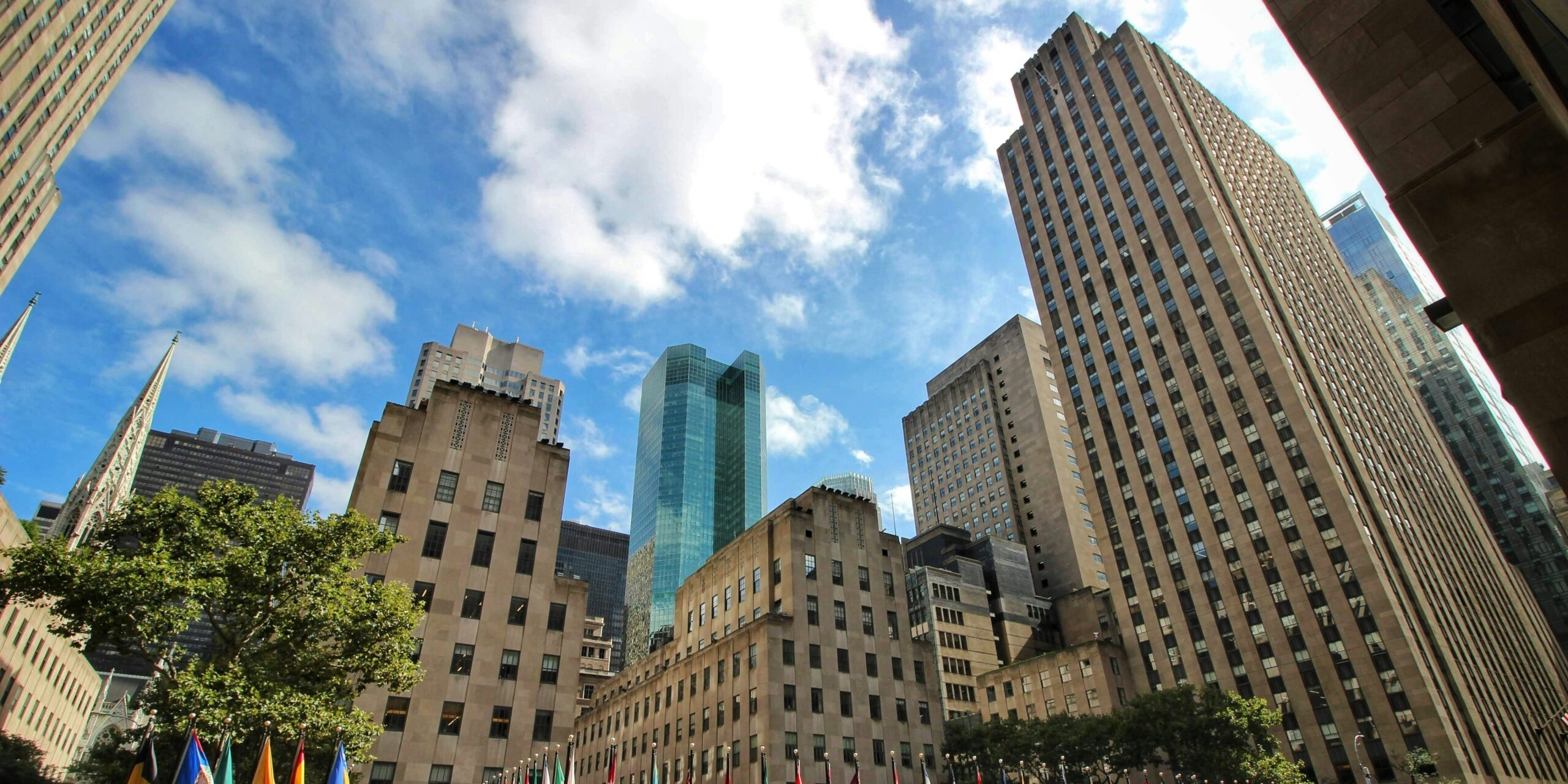
Real estate executives, brokers, developers, and investors came together for a holiday luncheon in New York City, where they expressed optimism about the performance of the city’s office market. The event, hosted by the Real Estate Board of New York (REBNY), provided a platform for industry leaders to reflect on the resilience of the office sector and share their outlook for the future.
One of the most notable speakers at the event was Marc Holliday, the CEO of SL Green Realty Corp., one of the leading commercial real estate firms in the city. Holliday emphasized the strength of the New York City office market, pointing out that vacancy rates remained persistently low, while new inventory of office space continued to be limited. He noted that these two factors are crucial for maintaining the demand for prime office space, which is expected to remain strong for the foreseeable future. According to Holliday, the ongoing scarcity of office space, coupled with the high demand for top-tier locations, will help sustain the market’s performance even as economic conditions evolve.
Holliday’s perspective reflects a broader sentiment shared by many in the industry. While the commercial real estate sector has faced significant challenges in recent years, especially in the wake of the COVID-19 pandemic, the New York City office market has shown remarkable resilience. The continued demand for office space in the city can be attributed to a number of factors, including the increasing importance of prime, well-located office buildings that offer high-quality amenities and services. These spaces have become even more attractive as companies look to entice employees back to the office after the widespread shift to remote and hybrid work arrangements.
In addition to low vacancy rates and limited new supply, Holliday also pointed to the role of rezoning efforts and favorable city policies in supporting the ongoing strength of the market. Over the past few years, New York City has implemented several rezoning initiatives aimed at increasing the availability of office space and encouraging development in key areas. These efforts have been particularly important in attracting investment to the city’s office sector and promoting leasing activity across various neighborhoods. The city has also introduced policies that make it easier for developers to build and lease office spaces, further bolstering confidence in the market.
Attendees of the luncheon discussed how the office market has been adapting to post-pandemic conditions, with a growing focus on flexible leasing options and hybrid work models. Even though remote work continues to be a significant part of the modern workforce, companies are increasingly recognizing the value of having a physical office space for collaboration, meetings, and company culture. As a result, the demand for high-quality, flexible office spaces in prime locations remains strong, even as businesses adjust to new work models.
Real estate professionals also pointed out that the city’s office market is benefiting from the broader economic recovery. While challenges remain in the global economy, the recovery of key industries in New York, such as finance, technology, and healthcare, has helped drive the demand for office space. The city’s role as a global business hub continues to attract both domestic and international companies, further solidifying the importance of its office market.
Overall, the luncheon provided a hopeful outlook for New York City’s office sector, with many leaders expressing confidence that the market will continue to thrive. As the city continues to recover from the pandemic and adapt to new economic realities, the office market remains a critical part of the city’s identity and its long-term economic health. Despite the ongoing changes in how people work, New York City’s office space remains a vital component of the business landscape, with strong demand and a promising future ahead.