Co-Working Spaces Rise: A Flexible Solution to Commercial Leasing in 2024
Rent Magazine Contributor —September 9, 2024
2 Mins Read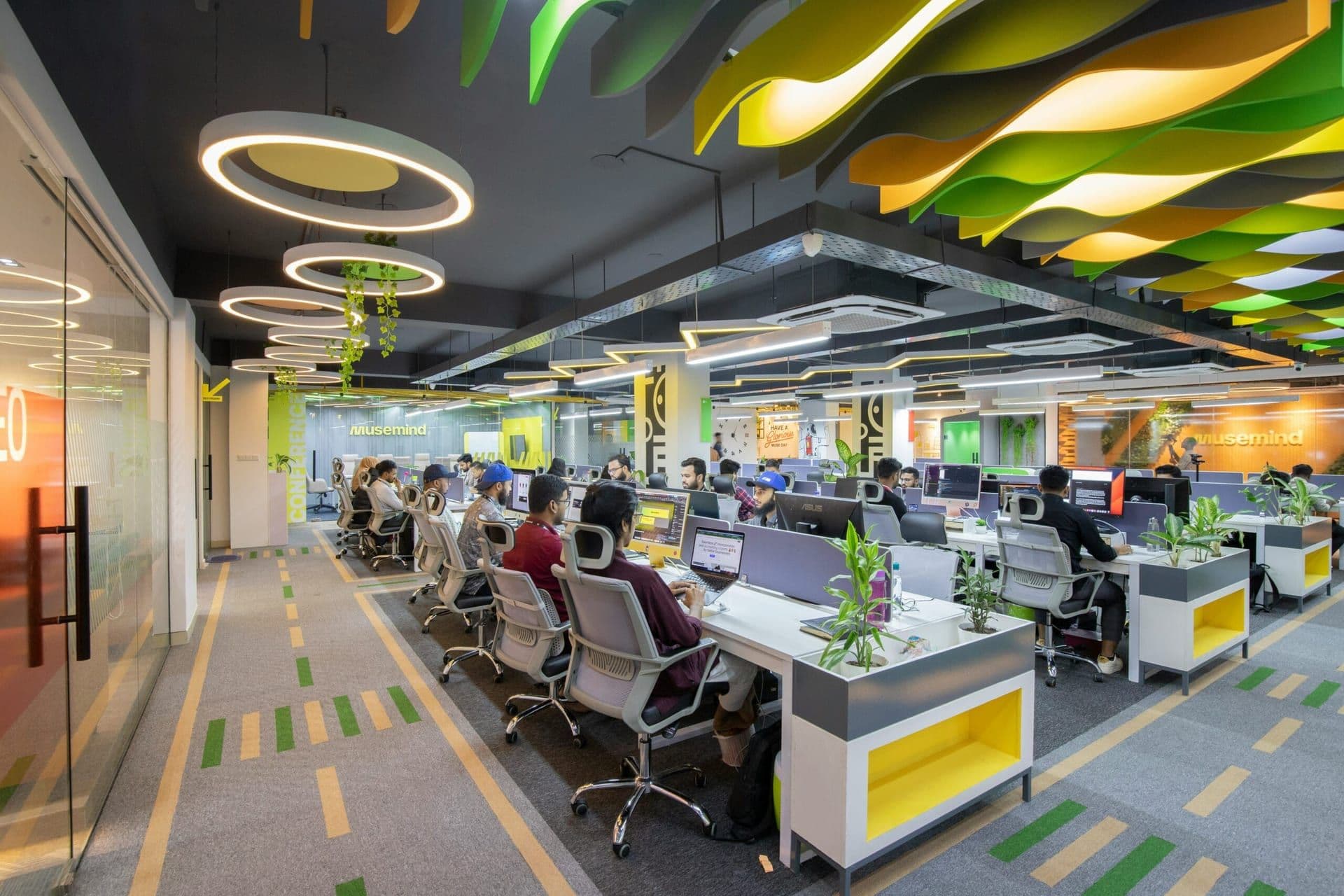
As the commercial real estate market continues to evolve, one trend that has gained significant momentum in September 2024 is the rise of co-working spaces. With the shift towards hybrid and remote work models, businesses are increasingly looking for flexible leasing solutions, and co-working spaces have emerged as an attractive alternative to traditional office leases.
In major cities like New York, London, and Berlin, demand for co-working spaces surged as companies embraced hybrid models, with employees splitting their time between home and the office. Co-working spaces offer businesses a flexible solution, providing shared office environments that allow tenants to lease space on short-term contracts, often without the need for long-term commitments. This model appeals to startups, freelancers, and even larger companies that no longer require vast office spaces.
Co-working companies like WeWork and IWG saw substantial growth in new leases during the second half of 2024. These companies are able to offer a wide range of services, including flexible office layouts, high-speed internet, and access to meeting rooms, all included in one package. This convenience makes co-working spaces an attractive option for businesses looking to minimize overhead costs while maintaining access to high-quality office facilities.
For landlords, the rise of co-working spaces represents both a challenge and an opportunity. Traditionally, landlords offered long-term leases to tenants who signed multi-year agreements. With the increased demand for flexibility, many landlords have responded by converting underutilized office spaces into co-working environments. This shift has allowed landlords to secure tenants who prefer flexible terms, and in some cases, co-working spaces generate higher returns due to the premium pricing for short-term leasing.
From a tenant perspective, the key benefit of co-working spaces is flexibility. Tenants can lease office space on a month-to-month basis or for a few months at a time, providing them with the ability to adjust as their business needs evolve. Furthermore, the shared amenities and collaborative workspaces foster creativity and networking, which is a key draw for many small businesses and startups.
As the demand for co-working spaces continues to grow, the commercial leasing market will likely see even more landlords embracing this model. The long-term impact will be a shift towards greater flexibility in office leasing, as businesses continue to favor co-working environments over traditional long-term office commitments.

Rent Magazine Contributor
This article features partner, contributor, or branded content from a third party. Members of the Rent Magazine editorial staff were not involved in the creation of this content. All views and opinions are those of the contributor alone.
Related Posts
 Speedy Car Shipping Brings Clarity And Confidence To Auto Transport
Rent Magazine Contributor —September 22, 2026
 Citadel Miami Headquarters Project Halted After Construction Accident
Rent Magazine Contributor —September 20, 2026