

Author
Rent Magazine Contributor
 Mortgage Rates Rise Above 7% as Higher Borrowing Costs Shape the Fall Housing Market
Rent Magazine Contributor —September 27, 2026
Mortgage rates moved higher again on September 28, keeping borrowing costs above 7% for many U.S. homebuyers and adding another layer of pressure to a housing market already dealing with affordability challenges....
 Nearly Half of U.S. Homebuyers Receive Seller Incentives as Housing Market Gives Buyers More Leverage
Rent Magazine Contributor —September 25, 2026
Redfin data shows seller concessions reaching a high level as buyers gain negotiating power in parts of the U.S. housing market....
 U.S. New-Home Sales Reach Eight-Month High as Housing Market Faces Higher Borrowing Costs
Rent Magazine Contributor —September 24, 2026
New-home sales rose in August, offering a fresh snapshot of U.S. housing demand as mortgage costs remain elevated....
 Los Angeles Opens Nearly $467 Million Housing Funding Opportunity for Rental Projects
Rent Magazine Contributor —September 22, 2026
Los Angeles approved nearly $467 million for new rental construction and preservation of affordable housing across the city....
 Speedy Car Shipping Brings Clarity And Confidence To Auto Transport
Rent Magazine Contributor —September 22, 2026
How Speedy Car Shipping pairs informed pricing with a dedicated advisor from quote to delivery....
 Citadel Miami Headquarters Project Halted After Construction Accident
Rent Magazine Contributor —September 20, 2026
Construction of Citadel’s planned Miami headquarters has been stopped after a drill rig collapsed at the waterfront development site....
 Mortgage Rates Reach 6.95 Percent as Higher Borrowing Costs Pressure U.S. Housing Market
Rent Magazine Contributor —September 19, 2026
The average 30-year fixed mortgage rate reached 6.95 percent as rising borrowing costs continued to affect homebuyers and sellers across the United States....
 Market Rebound Follows Federal Reserve Rate Increase as Borrowing Costs Remain in Focus
Rent Magazine Contributor —September 16, 2026
U.S. markets recovered after a rate-driven decline, while households continued watching borrowing and housing expenses....
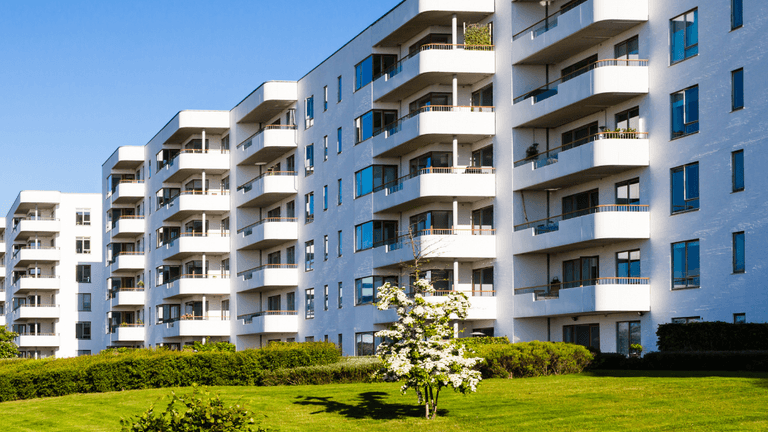 Florida Condominium Market Draws Attention as Residential Housing Conditions Change
Rent Magazine Contributor —September 15, 2026
Florida's condominium sector remains a significant residential real estate subject as buyers, owners, and developers assess market conditions....
 U.S. Home Sales Fall as Higher Mortgage Rates Keep Buyers on the Sidelines
Rent Magazine Contributor —September 10, 2026
The U.S. housing market experienced another slowdown as existing-home sales fell to an annualized rate of 3.98 million, marking the third consecutive monthly decline and underscoring the continued effect of elevated mortgage costs....