

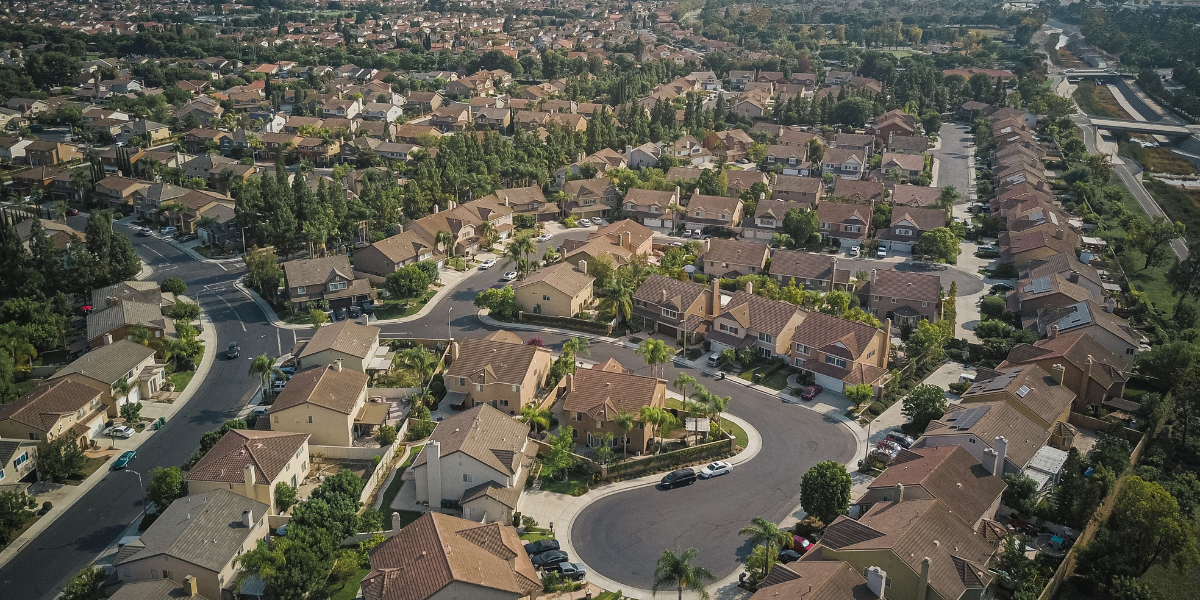
New housing market data released across the United States has highlighted a continuing trend that is reshaping residential real estate: growing demand for rental housing. As affordability challenges persist in many metropolitan areas, renters, property managers, developers, and real estate professionals are closely monitoring changes in occupancy rates, rental pricing, and housing supply.
The latest reports from housing analysts and real estate research organizations indicate that rental demand remains strong in numerous urban and suburban markets. While homeownership continues to be a long-term goal for many Americans, elevated home prices and financing costs have encouraged a significant number of households to remain in the rental market longer than originally anticipated.
Industry experts note that this trend has become one of the defining characteristics of the current housing landscape. Multifamily developments, apartment communities, and build-to-rent neighborhoods continue attracting attention from developers seeking to address housing needs in growing regions.
One of the most significant findings from recent housing data is the resilience of occupancy levels. Despite substantial construction activity in several metropolitan areas over the past few years, many rental properties continue reporting healthy occupancy rates. This suggests that demand remains sufficient to absorb a considerable portion of newly delivered housing inventory.
For renters, the expanding supply of residential units may provide additional choices in certain markets. Increased competition among property owners can create opportunities for tenants to compare amenities, locations, lease terms, and overall value. However, housing conditions vary significantly by region, meaning some cities continue experiencing tighter rental markets than others.
Developers and property management firms are increasingly focusing on projects designed to meet changing renter preferences. Modern renters often prioritize convenience, flexible living arrangements, technology integration, and access to community amenities. As a result, many newly constructed residential communities incorporate features such as smart-home technology, shared workspaces, fitness facilities, and enhanced digital services.
The growth of remote and hybrid work arrangements has also influenced residential demand patterns. Housing analysts report that some renters are prioritizing larger living spaces and suburban locations while maintaining access to employment centers. This shift has encouraged developers to evaluate opportunities beyond traditional urban cores.
Another notable development is the continued expansion of the build-to-rent sector. These communities consist of single-family homes specifically designed for rental occupancy rather than ownership. Industry observers view this segment as an important addition to the housing market because it offers residents more space and privacy while preserving the flexibility associated with renting.
Property management technology remains another area of rapid growth. Digital leasing platforms, online maintenance systems, automated payment solutions, and virtual property tours are becoming increasingly common throughout the rental industry. These technologies aim to improve efficiency for property owners while enhancing convenience for tenants.
For landlords and property managers, technology adoption has become an important competitive consideration. Streamlined communication tools and digital service platforms can improve resident satisfaction and simplify administrative processes. As consumer expectations evolve, many operators are investing in technology solutions to remain competitive within their respective markets.
Housing affordability remains a central topic within the residential sector. Although rental markets have stabilized in some regions compared to previous years, affordability continues to be a concern for many households. Industry experts emphasize that increasing housing supply remains one of the most important factors influencing long-term market balance.
Construction activity has played a critical role in addressing demand, but challenges such as labor availability, material costs, and development timelines continue affecting project delivery schedules. Developers, builders, and housing stakeholders continue evaluating strategies to expand housing availability while maintaining project feasibility.
Real estate professionals are also monitoring migration patterns and population growth trends. Regions experiencing strong employment growth often see corresponding increases in housing demand. Understanding these demographic shifts remains essential for developers, investors, and property managers seeking to anticipate future market conditions.
For renters, the current environment underscores the importance of evaluating multiple housing options and understanding local market dynamics. Conditions can vary significantly between cities, neighborhoods, and property types. Factors such as location, transportation access, community amenities, and lease flexibility continue influencing rental decisions.
The broader significance of these housing trends extends beyond the real estate sector. Housing availability affects workforce mobility, local economic development, and overall community growth. Stable and accessible housing options contribute to stronger local economies by supporting residents, employers, and businesses alike.
As the housing market continues evolving, rental demand remains a major force shaping residential real estate across the United States. The combination of demographic changes, affordability considerations, technological innovation, and shifting lifestyle preferences is influencing how housing is developed, managed, and occupied.
For industry professionals and renters alike, the latest housing data provides valuable insight into the direction of the residential market. While local conditions will continue to vary, the ongoing demand for rental housing suggests that the rental sector will remain a key component of the nation’s housing landscape for the foreseeable future.