Apartment Construction Continues to Ease Rental Pressure Across Many U.S. Markets
Rent Magazine Contributor —July 15, 2026
4 Mins Read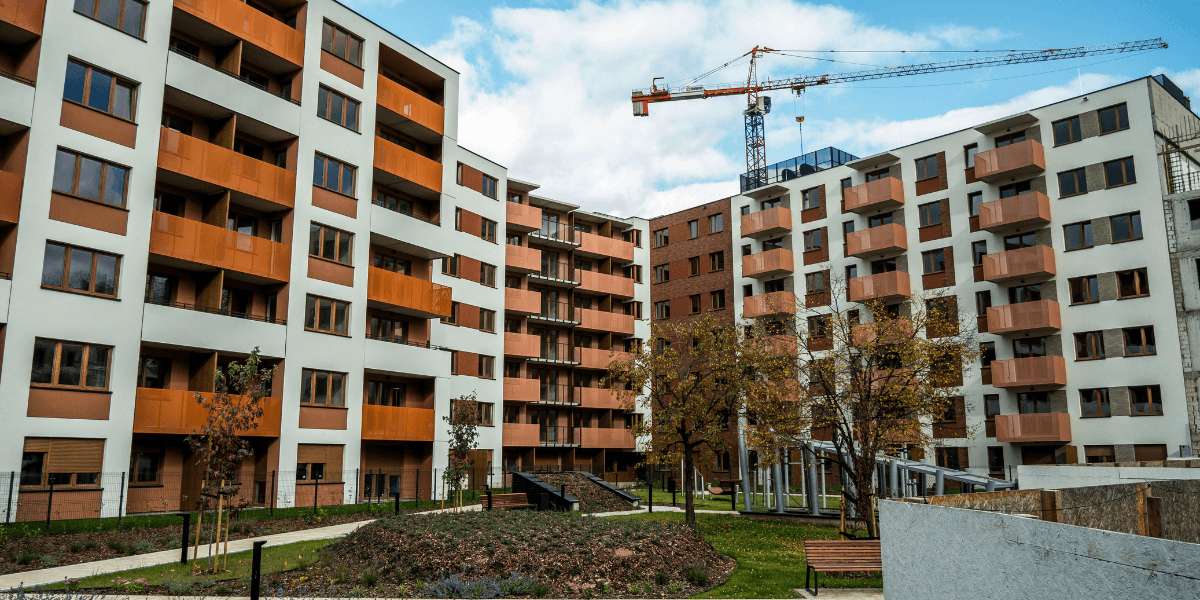
A sustained wave of apartment construction is continuing to improve conditions for renters across much of the United States, according to newly released housing market data. While affordability remains a challenge in many metropolitan areas, the expansion of multifamily housing inventory has helped moderate rent growth, offering tenants more choices and increasing competition among property owners.
Industry analysts report that the national rental market has now experienced an extended period of relatively stable pricing compared with the sharp increases seen in previous years. Newly completed apartment communities have expanded available inventory in many cities, allowing landlords to compete more aggressively through pricing, lease incentives, and enhanced amenities rather than relying solely on rent increases.
The latest figures from Yardi Matrix show that the national average advertised apartment rent increased only modestly from the previous month, reflecting a market that is becoming more balanced after several years of unusually rapid rent appreciation. Although local conditions continue to vary, the broader national trend suggests that increased housing supply is helping to slow rental inflation.
For renters, the changing environment creates new opportunities during the leasing process. With more units entering the market, prospective tenants may find greater flexibility when comparing communities, negotiating lease terms, or evaluating incentives such as reduced security deposits, complimentary parking, or temporary rent concessions. Property managers are increasingly using these incentives to attract qualified residents while maintaining occupancy levels.
Landlords, meanwhile, are adapting to a more competitive landscape. Rather than relying on strong demand alone, many property owners are placing greater emphasis on resident retention, property upgrades, responsive maintenance, and customer service. Retaining existing tenants has become increasingly valuable as attracting new residents often requires additional marketing costs and leasing incentives.
The expanding supply also reflects years of elevated multifamily development activity. Developers accelerated apartment construction in response to strong housing demand and limited home affordability, resulting in a significant number of projects reaching completion across numerous metropolitan areas. As these communities continue opening, the additional inventory is gradually easing pressure on rental prices in many regions.
Housing economists caution that market conditions remain highly localized. Some fast-growing metropolitan areas continue to experience stronger rent growth because of sustained population increases and limited available land for development. Other markets with substantial new apartment construction have seen slower rent growth or increased concessions as supply catches up with demand.
Mortgage affordability continues to influence rental demand as well. Elevated borrowing costs have made homeownership less attainable for many households, leading some prospective buyers to remain in the rental market longer than originally planned. While this supports rental demand, the increase in apartment supply has helped offset some of that pressure.
For property owners, technology is becoming an increasingly important competitive advantage. Digital leasing platforms, online maintenance requests, virtual property tours, automated payment systems, and smart-home features are now common expectations among renters. These tools improve operational efficiency while enhancing the resident experience, particularly for younger renters who value convenience and digital accessibility.
Real estate professionals also point to changing renter preferences. Many residents now prioritize flexible floor plans, coworking spaces, package management systems, fitness amenities, pet-friendly communities, and energy-efficient buildings. Developers and property managers continue incorporating these features into new projects as tenant expectations evolve.
Despite signs of stabilization, affordability remains a concern for many households, particularly in high-cost metropolitan areas where rent continues to consume a significant portion of household income. Housing organizations continue emphasizing the importance of expanding the nation’s housing supply across a range of price points to improve long-term affordability and reduce barriers to housing access.
The latest market data suggest that additional apartment inventory is beginning to produce measurable benefits for renters without signaling weakness in the broader rental sector. Instead, the market appears to be moving toward a healthier balance where increased housing availability supports both stable occupancy and more moderate rent growth.
For renters, landlords, developers, and real estate professionals alike, the current environment underscores the importance of supply in shaping housing affordability. As more multifamily projects reach completion and competition among property owners continues, the rental market is gradually transitioning toward conditions that provide greater choice for tenants while encouraging landlords to compete through service, quality, and value rather than price alone.

Rent Magazine Contributor
This article features partner, contributor, or branded content from a third party. Members of the Rent Magazine editorial staff were not involved in the creation of this content. All views and opinions are those of the contributor alone.
Related Posts
 Southern California Coastal Flooding Raises Concerns for Homes, Access and Shoreline Protection
Rent Magazine Contributor —October 9, 2026
 South Florida King Tides and Heavy Rain Highlight Flood Risks for Coastal Housing
Rent Magazine Contributor —October 6, 2026