

Property management companies and multifamily housing operators across the United States accelerated the rollout of advanced property technology systems this week as competition within the rental housing market continues intensifying. On May 21, several major real estate firms announced expanded investments in AI-assisted leasing tools, smart building systems, digital maintenance platforms, and automated tenant services aimed at improving operational efficiency and resident experience.
The growing adoption of property technology, commonly referred to as PropTech, reflects broader changes taking place throughout the U.S. rental market as landlords respond to shifting tenant expectations, rising operational costs, and increased competition from newly constructed apartment communities.
Industry analysts say the latest technology expansion marks one of the most significant transformations currently affecting residential and commercial property management. Modern renters increasingly expect digital convenience, flexible communication, and technology-enabled living environments comparable to services offered in other consumer industries.
Several national property management firms confirmed this week that they are expanding the use of AI-powered leasing assistants capable of handling rental inquiries, scheduling property tours, processing applications, and responding to common tenant questions in real time. Companies say the systems are helping reduce administrative workloads while improving response times for prospective renters.
At the same time, apartment operators are increasing investments in smart building infrastructure, including mobile access controls, automated package management systems, digital maintenance tracking, energy-efficient climate controls, and remote security monitoring technologies.
Real estate technology experts say the shift is being driven partly by the rapid growth in apartment supply entering major U.S. markets. In cities experiencing heavy multifamily development, landlords are competing more aggressively to attract and retain tenants. Technology upgrades are increasingly viewed as essential amenities rather than optional features.
Property owners also face mounting financial pressure tied to labor shortages, insurance costs, maintenance expenses, and higher operational overhead. Automated systems can help streamline leasing operations, reduce staffing strain, and improve long-term cost management.
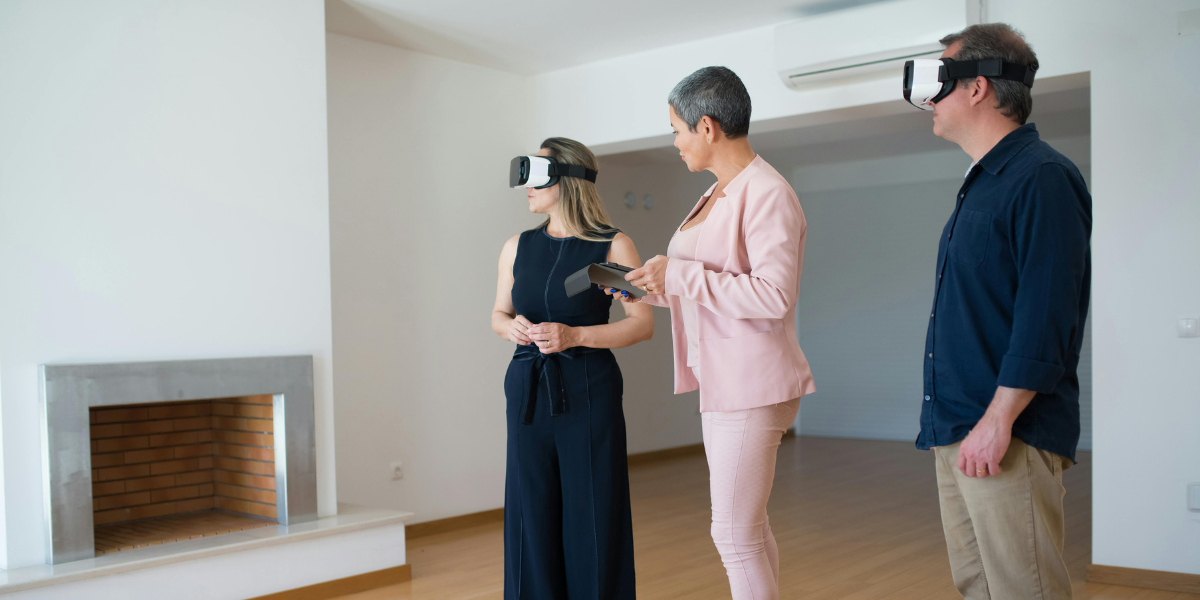
According to several housing market reports released Tuesday, renters are placing greater value on convenience-oriented services such as mobile rent payments, virtual property tours, digital communication portals, and self-service maintenance scheduling. Younger renters in particular have shown strong preference for technology-enabled residential communities that simplify daily interactions with property managers.
Commercial property operators are adopting similar strategies. Office buildings, mixed-use developments, and retail centers are increasingly integrating smart monitoring systems, occupancy tracking tools, and energy management technologies designed to improve building performance and reduce operating expenses.
Industry specialists note that artificial intelligence is beginning to influence nearly every stage of property management operations. AI-assisted analytics platforms are now being used to forecast maintenance needs, monitor occupancy trends, improve energy efficiency, and support pricing strategies based on real-time market conditions.
Several real estate software companies also announced new partnerships with multifamily housing operators this week aimed at expanding cybersecurity protections and data management systems. As residential communities become more digitally connected, protecting tenant information and operational systems has become an increasingly important priority for landlords and property management firms.
The expansion of PropTech is also changing workforce needs within the real estate industry. Property managers are increasingly expected to understand digital systems, data reporting tools, tenant communication platforms, and automated operational software alongside traditional leasing and maintenance responsibilities.
Training organizations and real estate associations have responded by expanding educational programs focused on technology integration, cybersecurity awareness, and digital property operations. Industry leaders say future success in property management will depend heavily on balancing technology adoption with strong customer service and operational oversight.
Despite the growing popularity of automation, some housing experts caution that technology alone cannot solve broader affordability and supply challenges facing the rental market. While digital systems may improve efficiency and tenant convenience, many renters continue facing elevated housing costs in major metropolitan areas.
Nevertheless, investors continue directing substantial funding toward PropTech development as demand for smarter and more efficient building operations rises nationwide. Analysts say the sector remains one of the fastest-growing areas within the broader real estate industry.
Developers constructing new apartment communities are increasingly designing projects with integrated technology infrastructure from the beginning rather than retrofitting older properties later. Smart-home connectivity, app-based building access, and automated utility systems are becoming common features in newly completed multifamily developments.
Environmental sustainability has also become a major factor influencing technology adoption. Smart energy systems and automated climate controls can help reduce electricity and water consumption, supporting both cost savings and long-term sustainability goals for property owners.
Housing economists believe PropTech adoption will continue accelerating throughout 2026 as competitive pressures within the rental market increase. Property operators that successfully combine technology efficiency with high-quality tenant experience may gain stronger long-term positioning in crowded housing markets.
For renters, the growing use of digital property systems could lead to faster communication, more flexible leasing experiences, and improved access to building services. For landlords and investors, the trend represents a broader transformation in how residential and commercial properties are managed in an increasingly data-driven real estate environment.
The developments announced on May 21 highlight how technology is rapidly reshaping the future of the U.S. rental market. As property owners continue modernizing operations and tenant expectations evolve, PropTech is expected to remain a central force influencing residential and commercial real estate strategies in the years ahead.