

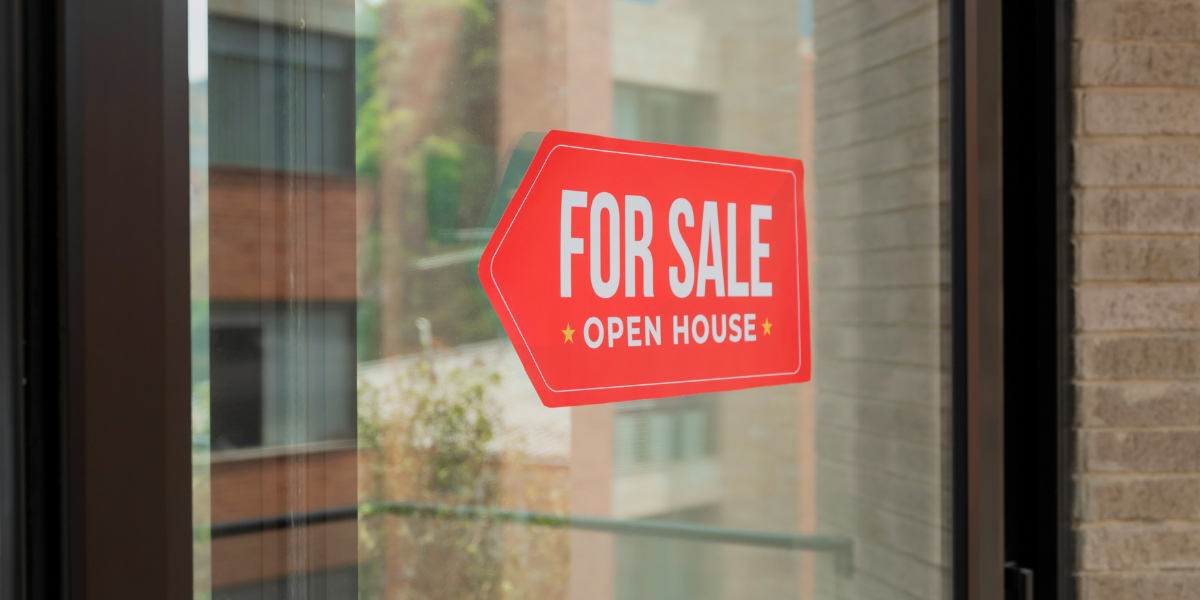
Salt Lake City’s rental housing market is undergoing a notable shift in early 2026, as landlords increasingly offer substantial concessions to attract tenants amid a surge in new apartment supply. This development highlights broader changes in market conditions affecting renters, property managers, and investors, signaling both opportunities and challenges across the U.S. rental sector.
Record Unit Deliveries and Rising Landlord Competition
Between 2020 and 2024, Salt Lake County issued more than 22,000 building permits for new apartment units, a total nearly 5,000 units higher than in the previous five‑year period. This construction boom has flooded the local rental market with new supply, intensifying competition among property owners and prompting many to offer move‑in incentives that were uncommon just a few years ago.
As a result, renters in Salt Lake City are seeing concessions such as multiple months of free rent, significant gift card offers, and other inducements designed to boost occupancy rates at newly completed properties. These incentives are often used by developers and landlords to help lease up apartments quickly while preserving long‑term property valuations.
What the Concessions Mean for Renters
For tenants, larger concessions can translate into short‑term cost savings and reduced upfront expenses on new leases. Renters who time their move strategically can potentially save thousands of dollars in rent or receive valuable perks that offset relocation costs.
However, economists and market observers caution that these incentives do not necessarily indicate a sustained drop in rental prices. Many landlords structure concessions so that base rents remain unchanged, meaning that once promotional periods expire, monthly rent payments may return to standard levels or even increase. Tenants are therefore advised to examine lease terms closely and plan for possible budget shifts at renewal.
Broader Market Trends and Impacts
Salt Lake City is not alone in experiencing changing rental dynamics. Across the nation, multifamily development boomed in recent years, driven by strong renter demand and investment interest. However, as new apartment deliveries enter the market in significant numbers, some regions are seeing slowing rent growth and a shift toward landlord‑led incentives.
This trend aligns with broader national forecasts suggesting that rent affordability may stabilize or improve modestly in 2026, particularly in markets with expanding supply. Experts project that multifamily rents could rise only modestly, by around 0.3%, during the year as inventory growth begins to ease pricing pressure for renters in key metros.
Meanwhile, industry outlooks indicate that a variety of rental market forces, including demographic shifts, employer relocation patterns, and flexible work arrangements, will continue to influence housing preferences and demand throughout the year.
Significance for Landlords and Property Managers
For landlords and property managers, the current environment emphasizes the importance of strategic leasing and competitive positioning. In markets like Salt Lake City where supply growth is outpacing absorption, offering concessions can help maintain occupancy rates during the lease‑up phase of new developments. But reliance solely on incentives may not be sustainable over the long term.
Seasoned property managers are likely to combine concessions with data‑driven pricing, amenity enhancements, and targeted marketing to differentiate units and attract tenants without eroding rent revenue. Moreover, understanding evolving renter expectations, such as preferences for amenities, flexible lease terms, and digital services, will be crucial in a competitive landscape.
Key Takeaways for Tenants and Investors
- Renters may benefit temporarily from free rent months, gift cards, or other concessions, but should assess long‑term costs before signing.
- Landlords face pressure to lease up new units quickly, particularly in high‑supply markets, prompting innovative leasing incentives.
- Regional rental markets vary widely, with supply conditions and demand factors shaping rent trends differently across the U.S.
- Economic forecasts suggest rental conditions may stabilize in 2026 as inventory growth moderates and renters gain modest affordability improvements.
The rise of landlord concessions in Salt Lake City reflects a broader evolution in the U.S. rental market, one where supply, tenant demand, and competitive leasing strategies increasingly dictate outcomes for both renters and property owners. Keeping an eye on local trends and lease details will remain essential for anyone navigating today’s dynamic rental landscape.