

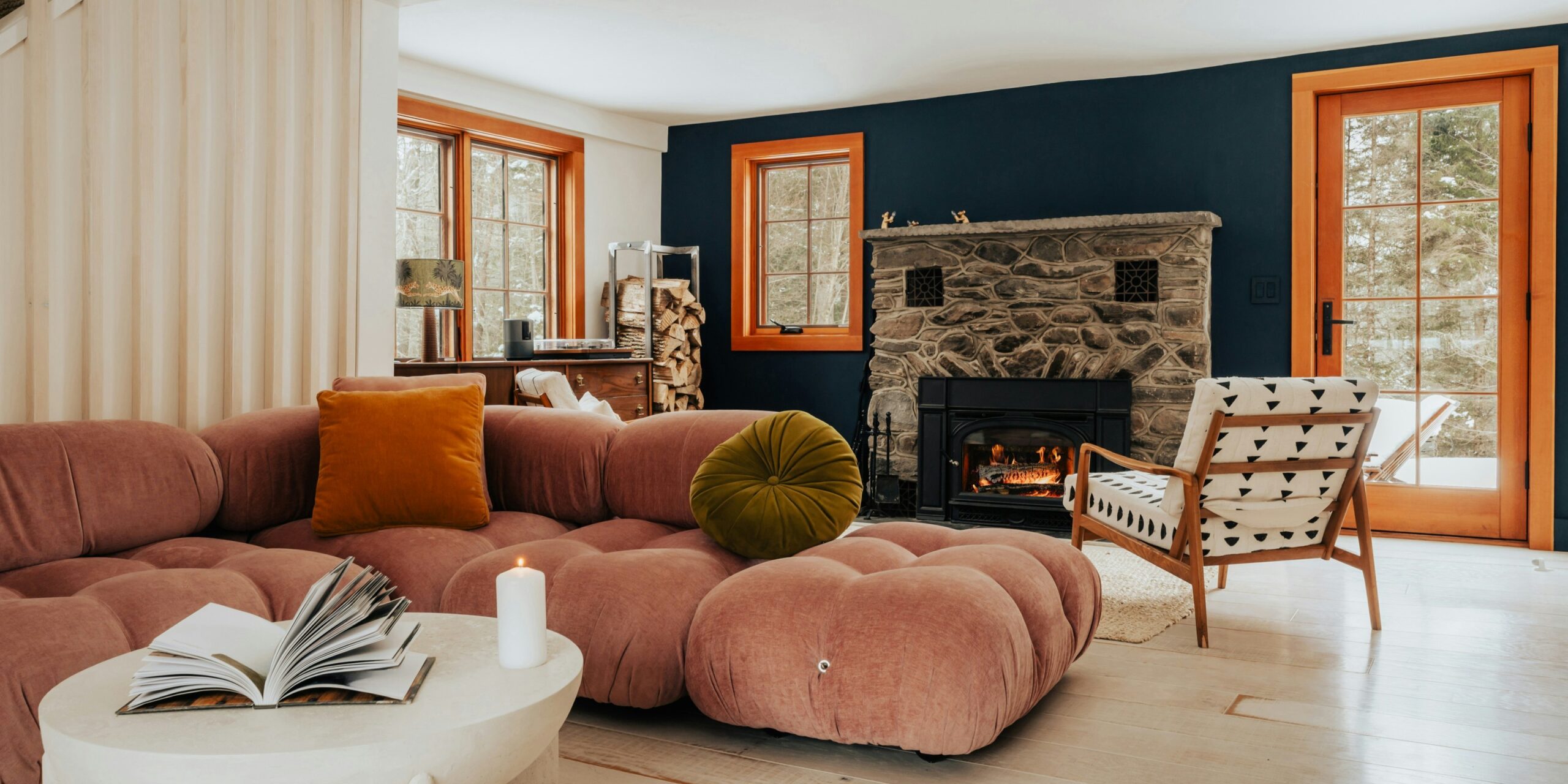
The luxury residential market in 2026 is experiencing significant shifts, with a strong focus on lifestyle integration, safety, and curated living experiences. These evolving trends reflect the changing preferences of affluent buyers who are prioritizing not only aesthetics but also features that align with their values, well-being, and security.
One of the most noticeable trends is the dominance of neutral interior design themes. These designs are not just favored for their aesthetic appeal but also for their versatility, creating spaces that can adapt to various tastes and purposes. This preference is largely driven by the influence of social media aesthetics, where simplicity and timelessness are celebrated. Neutral tones and flexible designs are ideal for buyers seeking to craft a space that feels both personal and adaptable over time.
In addition to design trends, there is a growing demand for branded residences. These luxury homes are developed in partnership with prestigious fashion and automotive brands, such as Dolce & Gabbana and Porsche, and are becoming increasingly popular in high-end markets like Miami and Los Angeles. The collaboration between luxury brands and real estate developers adds a layer of exclusivity and cachet to these properties, attracting buyers who value prestige and status. These branded residences offer a unique living experience, where the lifestyle associated with these high-end names is embedded within the very fabric of the home.
Another key development in the luxury real estate market is the heightened concern over environmental risks, particularly wildfire threats in states like California. As a result, fireproof and resilient construction features are becoming highly desirable for buyers in fire-prone areas. This shift is indicative of broader climate concerns that are influencing purchasing decisions. Homebuyers are increasingly prioritizing homes that offer protection against the elements, including wildfire-resistant materials and enhanced structural integrity. In this context, homes are not only seen as luxurious but also as safe havens from the unpredictability of natural disasters.
Furthermore, wellness amenities are becoming a standard expectation in luxury homes. Features such as saunas, air filtration systems, and cold-plunge facilities are increasingly popular among buyers who place a premium on health, relaxation, and comfort. These amenities align with the broader lifestyle trends of 2026, where well-being and self-care are integrated into daily living. Homes with these features cater to individuals who view their living space as an extension of their commitment to personal health and comfort, offering an environment that supports both physical and mental well-being.
In addition to these design and wellness trends, a significant shift is occurring in the way homes are marketed. The integration of digital staging regulations in California reflects a move towards greater transparency in home marketing and virtual representation. With an increasing number of buyers shopping for homes online, the use of digital tools for staging and showcasing properties is becoming essential. These regulations ensure that virtual representations of homes are accurate and reflective of the actual property, helping buyers make more informed decisions.
As we move further into 2026, it is clear that the luxury real estate market is being shaped by a desire for spaces that reflect a balanced and thoughtful lifestyle. Buyers are no longer solely focused on opulence but are also seeking homes that offer functionality, safety, and an alignment with their personal values. With trends leaning towards timeless design, brand partnerships, resilient construction, and wellness integration, the luxury homes of the future are poised to meet the evolving needs of affluent buyers in an ever-changing world.