Record Number of U.S. Cities Now Have Million-Dollar Homes: A Deeper Look at the Trend
Rent Magazine Contributor —April 9, 2024
4 Mins Read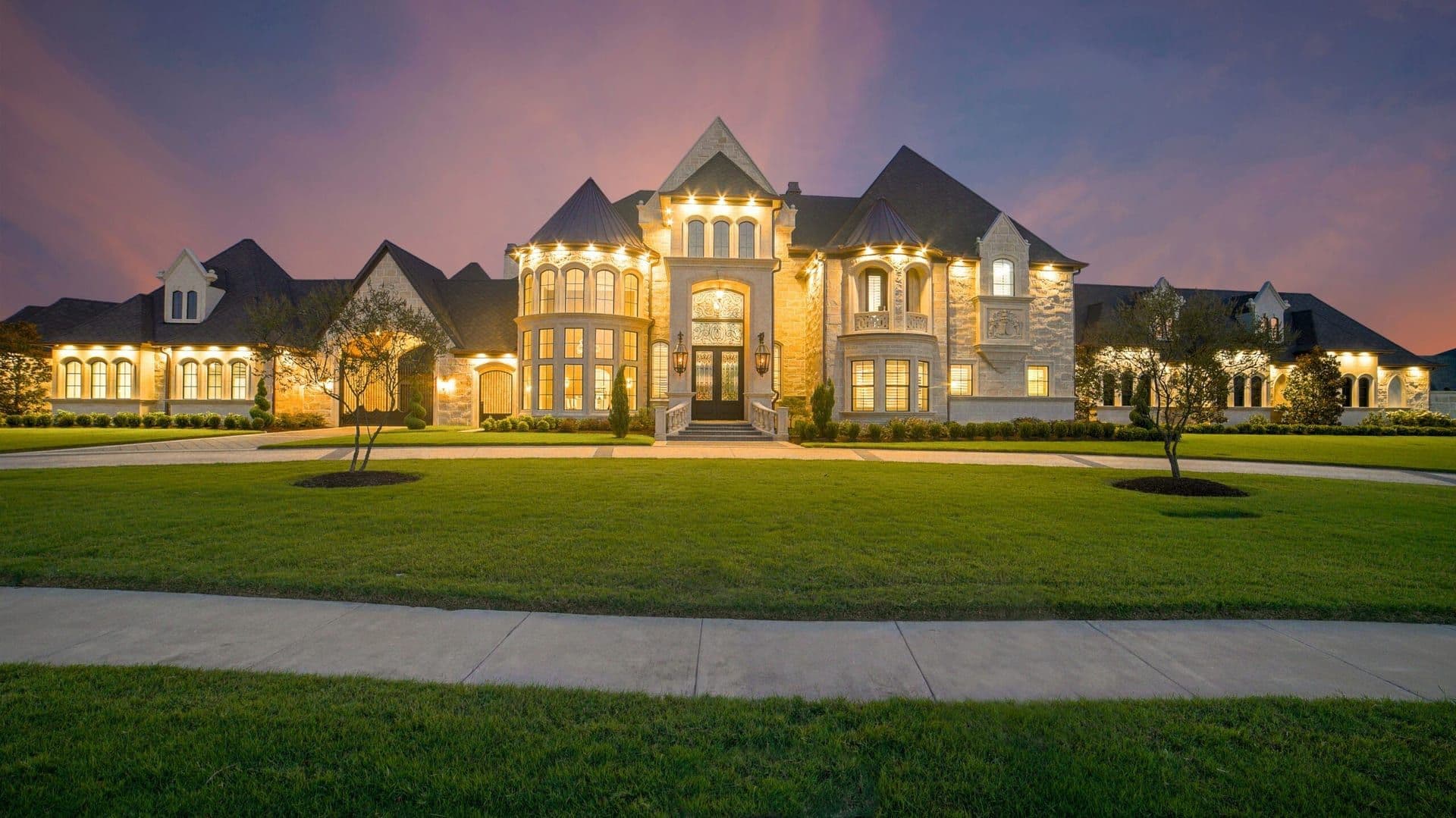
The number of U.S. cities where the typical home is valued at over $1 million has reached a record high, signaling a shift in the housing market across the country. In February 2024, there were 550 such “million-dollar cities,” up from 491 in 2023, according to a new analysis by Zillow. This increase marks a stark contrast to the previous record set in 2022 when the number peaked at 522 million-dollar cities during a surge in home values.
Factors Driving the Surge in Million-Dollar Cities
The boost in million-dollar cities is largely attributed to the current dynamics in the housing market, particularly the mortgage lock-in effect. This phenomenon occurs when homeowners with historically low mortgage rates hesitate to sell their homes due to the higher interest rates they would face on a new mortgage. As a result, many owners are reluctant to list their properties, leading to a supply shortage in some areas and pushing home prices higher. Skylar Olsen, chief economist at Zillow, explained that the mortgage lock-in effect has been a key factor in elevating sale prices for available properties, especially in high-demand markets.
“This lock-in effect is a strong motivator for sellers to hold onto their homes,” Olsen said, noting that the low supply and high demand for homes in certain markets have further fueled the rise in million-dollar cities.
California Leads the Pack
California continues to dominate the list, with 210 million-dollar cities as of February 2024. This is 12 more than the previous year and represents more than the total number in the next five states combined: New York, New Jersey, Florida, Massachusetts, and Colorado. The state’s expensive real estate markets are not surprising, as places like San Francisco and Los Angeles have long been associated with high home prices. The growing trend of million-dollar cities in California reflects both the limited supply and the long-standing appeal of the state’s housing market, particularly in areas that have historically catered to wealthy buyers.
Other Notable Million-Dollar Markets
While California continues to lead, Florida and Texas are also home to many million-dollar cities. In Florida, Naples stands out, as it currently boasts the most expensive home for sale in the U.S. — a staggering $295 million property that hit the market in February 2024. Despite Florida’s overall high-cost housing market, some cities in the state have lost their “million-dollar city” status, such as Siesta Key, Santa Rosa Beach, and Sanibel. These places have seen an uptick in supply, as homeowners, who previously were “locked in” with lower interest rates, are now more willing to sell.
In Texas, areas near Austin, such as Sunset Valley and Volente, have also lost their million-dollar status, although the state still maintains a significant presence in the million-dollar city category, with 14 such locations.
Shifting Dynamics and Market Adjustments
As the record number of million-dollar cities continues to climb, some areas are seeing a shift. The lock-in effect is stronger in markets where many homeowners secured mortgage rates between 2% and 3%, making them hesitant to sell. However, in places where homeowners have higher mortgage rates — between 6% and 7% — there is a greater willingness to list homes. This change in behavior has contributed to more homes being placed on the market, potentially reducing home prices in areas that have lost their million-dollar city status.
Jacob Channel, senior economist at LendingTree, emphasized that while some areas may have seen a dip in million-dollar status, it is difficult to predict whether this will become a larger trend. He explained that high-demand luxury markets like Florida and Texas are still very much driven by wealthy buyers, ensuring that they remain key players in the nation’s most expensive real estate markets.
Conclusion: A New Era for U.S. Housing Markets
The rise of million-dollar cities reflects the broader trends of limited housing inventory, high demand, and a changing economic environment. With more areas crossing the million-dollar threshold, it’s clear that the landscape of American real estate is shifting. The lock-in effect, coupled with ongoing supply constraints, has turned many formerly modest cities into luxury markets, further highlighting the divide between high-cost urban areas and more affordable regions. As the market continues to evolve, the question remains: how long will this trend last, and what will it mean for future buyers and sellers in these booming markets?

Rent Magazine Contributor
This article features partner, contributor, or branded content from a third party. Members of the Rent Magazine editorial staff were not involved in the creation of this content. All views and opinions are those of the contributor alone.
Related Posts
 Mortgage Rates Reach 6.95 Percent as Higher Borrowing Costs Pressure U.S. Housing Market
Rent Magazine Contributor —September 19, 2026
 Mortgage Rates Rise Above 7% as Higher Borrowing Costs Shape the Fall Housing Market
Rent Magazine Contributor —September 27, 2026