Commercial Real Estate’s Push Toward Sustainability
Rent Magazine Contributor —January 31, 2024
5 Mins Read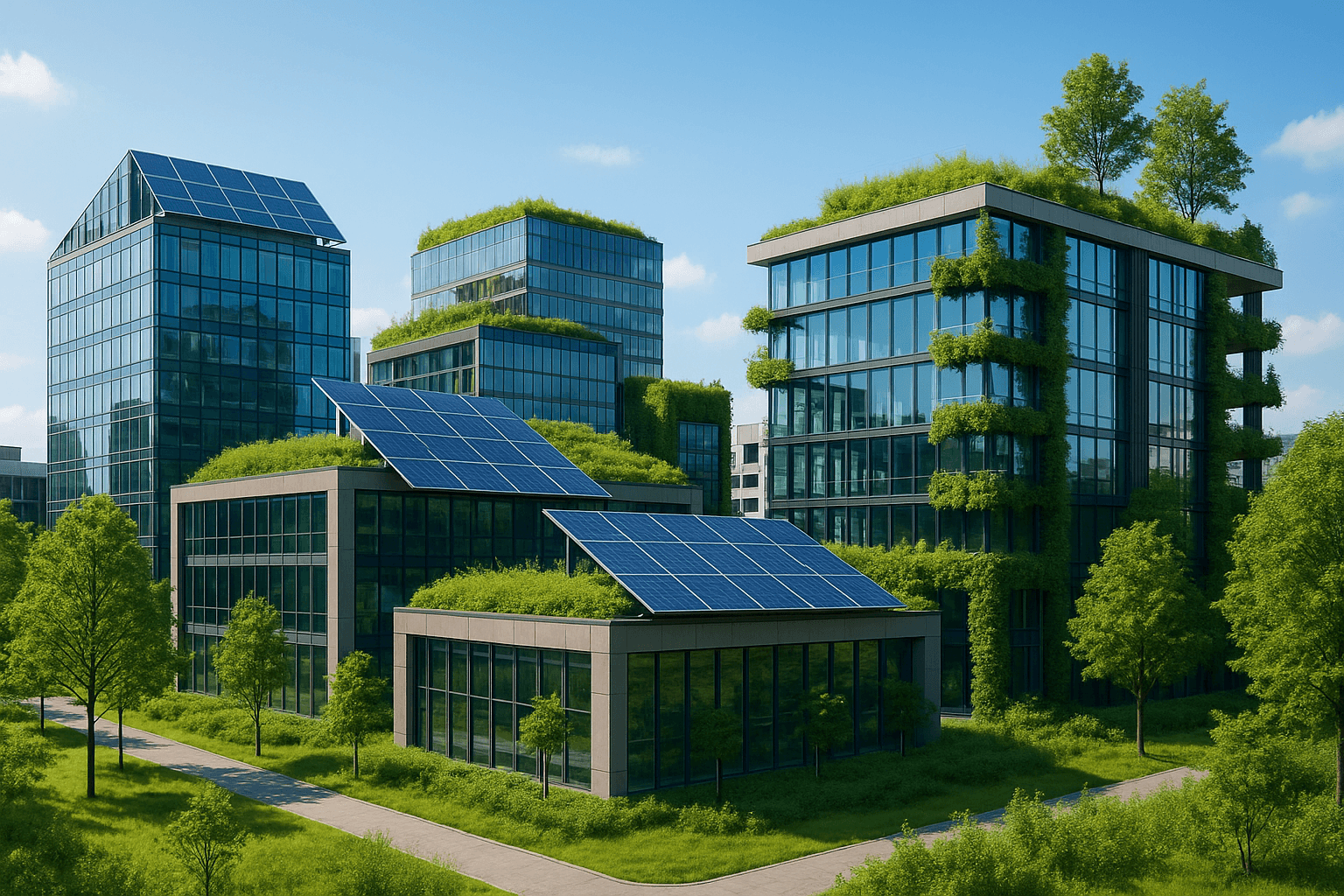
The commercial real estate sector has seen a significant shift towards sustainability in January 2024, with more property owners embracing green building practices and certifications. This transition is largely driven by increasing environmental awareness and the growing demand for eco-friendly spaces, as tenants and landlords alike recognize the long-term benefits of sustainability. The push for greener buildings has become more than just an environmental or regulatory obligation; it is now a competitive advantage in attracting tenants, reducing operational costs, and contributing to broader corporate social responsibility goals.
Rising Demand for Green Building Certifications
A report by the U.S. Green Building Council (USGBC) revealed that by January 2024, more than 40% of commercial buildings in major urban areas had obtained green building certifications such as LEED (Leadership in Energy and Environmental Design). This surge in certifications indicates a clear shift in the commercial real estate market, as sustainability increasingly takes center stage in building design, construction, and renovation.
Buildings that achieve LEED or similar certifications demonstrate a commitment to energy efficiency, water conservation, sustainable materials, and improved indoor air quality. These environmentally conscious attributes are becoming a top priority not only for building owners but also for tenants who are eager to align their business practices with sustainability values. Cities such as Chicago, Boston, and Los Angeles have led the charge in pushing for greener office spaces, with property owners investing in energy-efficient technologies and sustainable materials as part of renovations or new constructions.
The Role of Sustainability in Commercial Leasing
Landlords and developers are increasingly aware that offering sustainable buildings can set them apart in a crowded market. As tenants become more conscious of their environmental footprint, they are seeking out office spaces that align with their sustainability goals. Properties with green certifications, energy-efficient features, and eco-friendly designs are attracting high-profile tenants, particularly those in industries where corporate social responsibility is a key component of their brand.
One of the key factors driving this shift is the long-term financial benefits associated with green buildings. While the initial investment in sustainable construction or retrofitting may be higher, tenants often experience significant savings on operational costs. Energy-efficient lighting, HVAC systems, and waste reduction practices can lead to reduced energy bills, lower water usage, and fewer maintenance expenses. In turn, these savings make green-certified buildings more appealing to businesses looking to reduce their environmental impact while simultaneously cutting costs.
For example, in cities like Boston and Chicago, property owners have increasingly turned to energy-efficient solutions such as LED lighting, solar panels, and smart building technologies that optimize energy use. In addition to energy savings, these green buildings tend to have lower vacancy rates and higher occupancy rates, further driving their popularity among tenants.
Tenant Expectations and Corporate Responsibility
As the demand for sustainability grows, tenants are shifting their expectations of what a commercial property should offer. They are no longer merely seeking functional office space but are increasingly looking for properties that reflect their corporate values and support their environmental initiatives. Companies are under increasing pressure from consumers, employees, and stakeholders to reduce their carbon footprints and invest in sustainability. In response, businesses are demanding office spaces that help them meet these goals, both in terms of energy efficiency and broader environmental responsibility.
For tenants, the transition to greener office spaces is not just about achieving sustainability goals but also enhancing their brand image. A growing number of companies are prioritizing eco-friendly office spaces as part of their commitment to sustainability and climate action. This shift is particularly evident in industries such as tech, finance, and healthcare, where sustainability is increasingly seen as integral to a company’s mission and values.
The Financial Case for Green Buildings
While the environmental and social benefits of sustainable buildings are often discussed, the financial case for going green cannot be overlooked. Landlords and tenants alike are increasingly realizing that green buildings can offer a strong return on investment. For landlords, offering sustainable office spaces can lead to higher rents, as tenants are often willing to pay a premium for eco-friendly features. Additionally, buildings with green certifications tend to experience higher tenant retention rates, reducing the costs associated with tenant turnover and vacancy.
On the tenant side, green buildings can provide long-term savings that offset any higher rental costs. For example, energy-efficient buildings typically have lower utility bills, and tenants can benefit from tax incentives and rebates for occupying sustainable spaces. Furthermore, tenants in green buildings often experience improved employee well-being and productivity, which are crucial factors in attracting and retaining top talent.
The Future of Sustainable Commercial Real Estate
As sustainability continues to grow as a priority for businesses and consumers, it is clear that the commercial real estate market will need to keep pace. Landlords who fail to adapt to the demand for green buildings may find themselves at a disadvantage in the competitive leasing market. Tenants, especially those in industries that prioritize environmental responsibility, will continue to seek out properties that support their sustainability goals.
Looking ahead, the trend towards sustainability in commercial real estate is expected to accelerate throughout 2024 and beyond. As regulations become stricter and the environmental impact of buildings comes under more scrutiny, landlords and developers will need to prioritize green building practices and certifications to remain competitive. With the increasing integration of smart technologies and renewable energy solutions, the future of commercial real estate will likely be defined by a stronger commitment to environmental sustainability.
In conclusion, the push for sustainability in commercial real estate is no longer a passing trend—it is becoming a cornerstone of the industry. As both tenants and landlords recognize the value of green buildings, the commercial real estate market is poised for a more sustainable, eco-conscious future.

Rent Magazine Contributor
This article features partner, contributor, or branded content from a third party. Members of the Rent Magazine editorial staff were not involved in the creation of this content. All views and opinions are those of the contributor alone.