

Author
Rent Magazine Contributor
 Smart Apartment Technology Expands Rapidly Across the U.S. Rental Housing Market
Rent Magazine Contributor —May 11, 2026
One of the most significant developments shaping the U.S. rental housing industry this week is the accelerating adoption of smart apartment technology across residential and mixed-use properties nationwide. Property managers, developers, and housing technology firms are continuing to expand investments in digital systems designed to improve security, energy efficiency, tenant convenience, and building management operations....
 Sell2Rent: The Homeowner’s New Path to Cash Without the Move
Rent Magazine Contributor —May 9, 2026
Sell2Rent turns a moment of housing stress into a structured path toward stability and opportunity....
 U.S. Rental Market Shows Signs of Stabilization as Housing Supply Expands in Major Cities
Rent Magazine Contributor —May 7, 2026
The U.S. rental housing market showed new signs of stabilization this week as updated housing data released in May 2026 revealed slowing rent growth, increased apartment inventory, and continued construction activity across several major metropolitan areas. Real estate analysts say the latest developments could provide some relief for renters after years of elevated housing costs...
 New Federal Guidelines Aim to Stabilize U.S. Rental Market Amid Rising Demand
Rent Magazine Contributor —May 5, 2026
A major development affecting the U.S. rental housing sector emerged on May 5, 2026, as federal housing authorities introduced a new set of guidelines designed to improve stability, transparency, and affordability in the rental market. The policy framework, announced by the U.S. Department of Housing and Urban Development (HUD), focuses on addressing ongoing challenges such...
 U.S. Rental Market Shows Stabilization Trends in May 2026 Amid Shifting Demand
Rent Magazine Contributor —May 3, 2026
The U.S. rental housing market marked a notable moment on May 3, 2026, as newly released industry data and regional reports indicated a continued stabilization in rental prices following years of volatility. Across major metropolitan areas, including Los Angeles, Miami, and New York, rent growth has begun to level off, signaling a shift toward a...
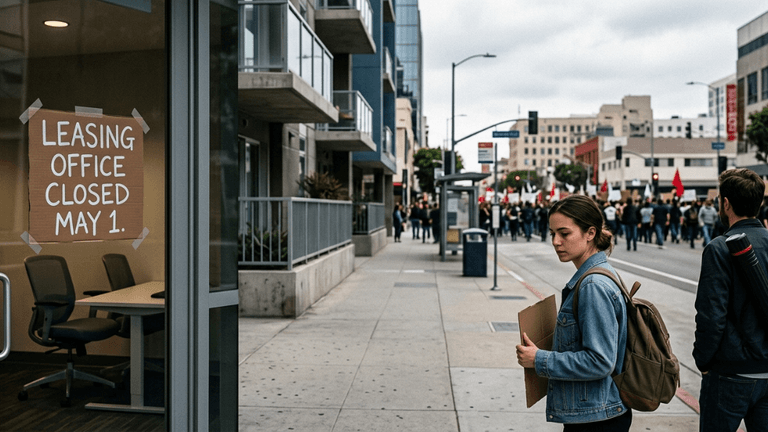 May Day Economic Blackout Signals Shifting Pressures in the U.S. Rental Housing Market
Rent Magazine Contributor —May 1, 2026
A nationwide economic blackout held on May 1, 2026, is drawing attention not only for its scale of participation but also for its implications on the U.S. rental housing market. Observed alongside International Workers’ Day, the coordinated action encouraged individuals across major cities to pause work and limit spending, creating a ripple effect that extended...
 U.S. Rental Market Shows Signs of Stabilization as New Supply Enters Key Cities
Rent Magazine Contributor —April 29, 2026
The U.S. rental housing market reached a notable inflection point on April 29, 2026, as newly released industry data indicated a gradual stabilization in rent growth alongside an increase in available units across major metropolitan areas. The development reflects a shift in market dynamics that has implications for renters, landlords, and real estate professionals navigating...
 Mortgage Rate Uptick Signals Shifting Dynamics in U.S. Housing Market
Rent Magazine Contributor —April 27, 2026
The U.S. housing market experienced a notable shift on April 27, 2026, as mortgage rates moved slightly higher while overall homebuying activity showed renewed momentum. This development reflects a transitional period for real estate, where improving supply levels and stabilizing prices are beginning to reshape conditions for renters, buyers, and property owners alike. The average...
 U.S. Housing Cost Burden Reaches New Spotlight as Nationwide Study Reveals Affordability Gaps
Rent Magazine Contributor —April 24, 2026
A newly released nationwide housing affordability study published on April 24, 2026, is drawing renewed attention to the growing financial strain faced by renters and homeowners across the United States. The report, based on aggregated data from multiple housing and economic research institutions, highlights how housing costs continue to outpace income levels in many regions,...
 U.S. Rental Market Adapts to Supply Growth, Tech Integration, and Policy Updates in 2026
Rent Magazine Contributor —April 12, 2026
As of April 12, 2026, the U.S. rental market continues to evolve amid shifting supply dynamics, advancing property technology, and updated housing regulations that are reshaping how landlords, tenants, and real estate professionals navigate the leasing landscape. Recent data and industry insights point to a more balanced market environment, with implications across residential and commercial...