

Author
Rent Magazine Contributor
 The Surge in Industrial Real Estate Leasing: November 2024
Rent Magazine Contributor —November 30, 2024
In November 2024, industrial real estate leasing experienced a significant boom as demand for logistics and distribution centers surged. This trend was fueled by the ongoing e-commerce expansion and the increasing need for businesses to secure warehouse space to meet consumer demand. As businesses adapted to the new realities of global trade and local distribution,...
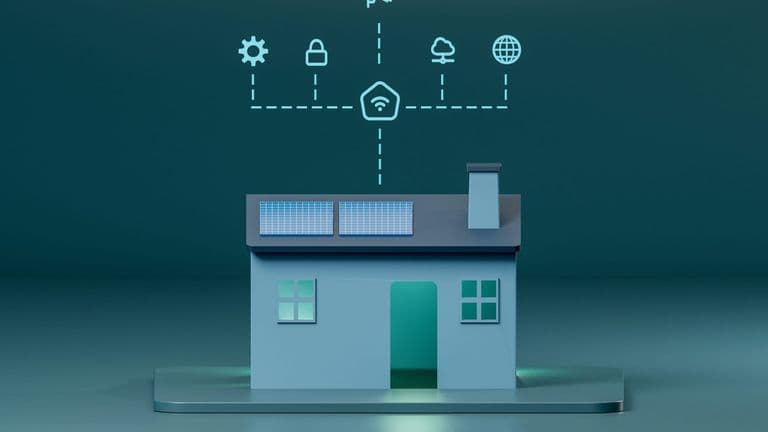 Smart Homes Drive Market Demand in 2024
Rent Magazine Contributor —November 27, 2024
In October 2024, the demand for smart homes continues to rise, with more buyers increasingly seeking properties equipped with advanced technologies such as smart thermostats, security systems, and energy-efficient appliances. According to a report from the National Association of Realtors (NAR), homes with smart features are selling faster and at higher prices compared to traditional...
 Homebuyer Mortgage Demand Jumps 12% Following First Rate Cut in Two Months
Rent Magazine Contributor —November 27, 2024
Mortgage Applications Surge After Rate Drop A slight decrease in mortgage rates spurred a significant uptick in homebuyer demand, with applications for home purchases rising by 12% from the previous week. This jump in demand reflects a growing eagerness among buyers, who had been waiting for lower mortgage rates or more housing inventory. According to...
 Rise of PropTech Startups Transforming the Real Estate Sector
Rent Magazine Contributor —November 24, 2024
The real estate industry witnessed a significant surge in attention toward PropTech startups, which are using innovative technologies to address longstanding challenges in the sector. Companies such as Steadily and Arcol are prime examples of how digital solutions are reshaping the way real estate professionals conduct business and streamline operations. Steadily, a standout in the...
 Smart Homes Take Center Stage as Technology Becomes Essential for Modern Living
Rent Magazine Contributor —November 22, 2024
As technology continues to evolve, it is no longer a luxury but a necessity in modern homes. A report from the Consumer Technology Association (CTA), released on November 22, 2024, reveals that the demand for smart homes has reached unprecedented levels. Homebuyers are increasingly seeking homes equipped with advanced technologies that offer enhanced convenience, security,...
 October Home Sales Surge Ahead of Mortgage Rate Increases
Rent Magazine Contributor —November 21, 2024
Home Sales Bounce Back in October Homebuyers rushed to close deals in October, leading to a 3.4% increase in sales of previously owned homes compared to September. This rise brings the seasonally adjusted, annualized sales rate to 3.96 million units, marking a 2.9% year-over-year increase. This is the first time in over three years that...
 The Rise of Wellness Real Estate
Rent Magazine Contributor —November 17, 2024
The concept of wellness real estate emerged as a major trend in early November 2024, with properties designed to enhance the well-being of their residents. A prime example of this shift can be seen in developments like “The Well” in Miami, which showcases a new type of living space that prioritizes health and wellness. These...
 The Rise of Virtual Reality in Property Showings in 2024
Rent Magazine Contributor —November 16, 2024
In October 2024, Virtual Reality (VR) technology is transforming property showings, offering potential buyers the ability to tour homes remotely through immersive, 3D walkthroughs. Leading companies like Matterport and Redfin have developed advanced VR solutions that provide an engaging and realistic property viewing experience. This technology is especially valuable in markets with high demand and...
 Increased Focus on Affordable Housing Solutions Amid Rising Rent Prices
Rent Magazine Contributor —November 15, 2024
As rent prices continue to soar, an increased focus on affordable housing solutions is becoming a top priority across the United States. A report from the U.S. Department of Housing and Urban Development (HUD), released on November 15, 2024, highlights the growing affordability gap in the housing market and the concerted efforts being made by...
 Building Material Prices Rise While Other Construction Costs Decline
Rent Magazine Contributor —November 14, 2024
Construction Input Costs Show Mixed Trends in October The cost of materials for new residential construction saw a notable increase in October 2024, while other construction costs, such as services, declined. The latest Producer Price Index (PPI) report from the U.S. Bureau of Labor Statistics revealed that the price of inputs to residential construction (excluding...