

Author
Rent Magazine Contributor
 Florida’s Housing Market Cooling Amid Rising Inventory and Rising Interest Rates
Rent Magazine Contributor —January 15, 2025
Florida’s housing market, which has been one of the most active and competitive in the country in recent years, is showing signs of cooling as of January 15, 2025. According to the Florida Realtors Association, the inventory of available homes increased by 9% in the past month, marking a significant shift after a period of...
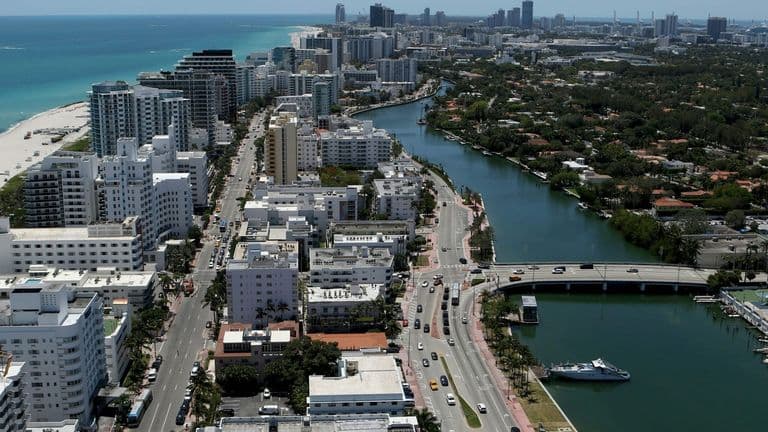 Miami’s Growing Influence on Commercial Property Development and Innovation
Rent Magazine Contributor —January 15, 2025
As Miami continues to solidify its position as one of the leading business hubs in the United States, the demand for commercial properties has seen a significant increase. This growth, driven by the city’s economic diversification and rising prominence as a tech and financial center, is prompting landlords to reimagine property development. A major trend...
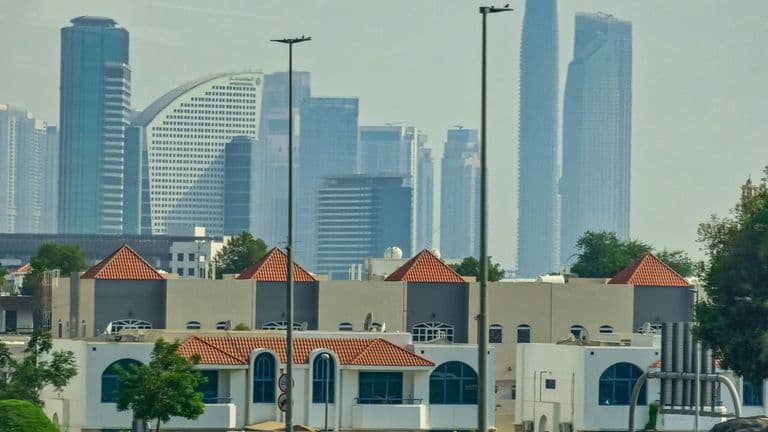 Microsoft Completes Construction of Saudi Arabia Data Center Region: Implications for Real Estate Professionals
Rent Magazine Contributor —January 14, 2025
Microsoft has officially completed the construction of all three Azure availability zones in Saudi Arabia, marking a significant step in the expansion of cloud services in the region. With full availability expected by 2026, these zones are designed with independent power, cooling, and networking infrastructure to support the growing demand for digital infrastructure and cloud...
 Homebuyer Confidence Surges as Mortgage Rates Stabilize
Rent Magazine Contributor —January 14, 2025
After months of volatility in the housing market, homebuyer confidence is showing significant signs of recovery, thanks to the stabilization of mortgage rates. According to the latest report from the Mortgage Bankers Association (MBA), this shift marks a pivotal moment for potential homebuyers, mortgage lenders, and real estate agents alike, all of whom are reacting...
 New York City Real Estate Market Faces Adjustment as Commercial Sector Struggles
Rent Magazine Contributor —January 13, 2025
New York City, traditionally viewed as the heart of the commercial real estate world, is currently grappling with a slowdown in its office market as the effects of remote and hybrid work models continue to take hold. According to the Real Estate Board of New York (REBNY), office leasing activity dropped by 8% in the...
 The Evolution of Commercial Leasing in Atlanta – A Shift Toward Flexibility and Customization
Rent Magazine Contributor —January 13, 2025
Changing Dynamics in Atlanta’s Commercial Leasing Market Over the past year, Atlanta’s commercial leasing market has experienced significant transformations as businesses demand more flexible and customizable rental spaces. In response, landlords in the city are adjusting their leasing strategies to meet the evolving needs of tenants, especially those in the tech, creative, and startup sectors....
 PropertyGuru Asia Real Estate Summit Celebrates 10th Edition: Shaping the Future of Real Estate
Rent Magazine Contributor —January 12, 2025
The 10th edition of the PropertyGuru Asia Real Estate Summit, held in Bangkok, proved to be a significant event for the real estate industry in Asia. Gathering over 300 delegates from various sectors, the summit served as a platform to explore the future of real estate, with a special focus on digital transformation, sustainable development,...
 Surge in Luxury Rentals Reflects Shifting Priorities in Urban Living
Rent Magazine Contributor —January 12, 2025
The urban rental market is undergoing a dramatic shift, as a surge in demand for luxury rental properties is changing the landscape of city living. On January 12, 2025, a report from a prominent real estate firm revealed that high-income professionals are increasingly seeking upscale, flexible housing options in major urban centers. This rising trend...
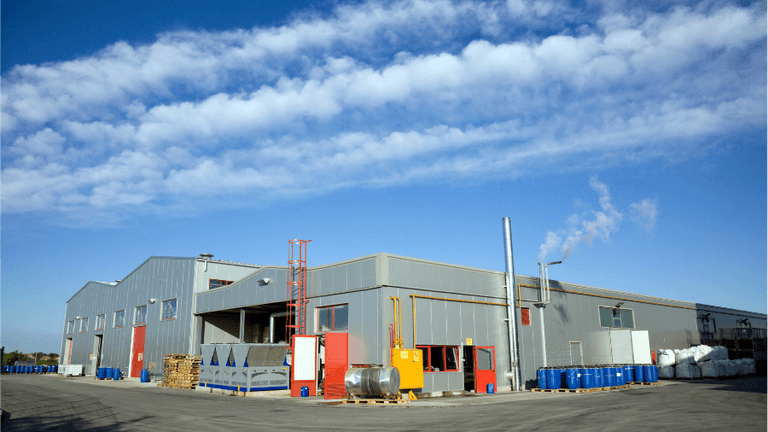 Dallas Commercial Property Prices Surge Amid Unprecedented Demand
Rent Magazine Contributor —January 11, 2025
Dallas is experiencing a significant surge in commercial property prices in early 2025, driven by robust demand from both domestic and international investors. The city’s real estate market has become a focal point for growth as businesses across various sectors seek to establish a larger footprint in this booming Texas metropolis. As demand for office...
 U.S. Rental Market Experiences Resilient Growth Amid Economic Challenges
Rent Magazine Contributor —January 10, 2025
In a surprising turn of events, the U.S. rental market has seen significant growth despite the continued economic uncertainty. According to a recent report by the National Association of Realtors (NAR), rental activity across the United States is on the rise, with key shifts in tenant behavior, property management, and landlord strategies. The heightened demand...