

Author
Rent Magazine Contributor
 Homeowners Stay Put, Challenging Realtors Amid Rising Mortgage Rates
Rent Magazine Contributor —November 14, 2025
A growing body of industry research released in late October and early November 2025 reveals a significant shift in the behavior of U.S. homeowners. As mortgage rates remain elevated, homeowners who secured historically low rates during the past decade—particularly during the pandemic housing boom—are increasingly choosing to stay in their current homes. This phenomenon is...
 Major Shifts in AI, Cloud, and Robotics for November 2025
Rent Magazine Contributor —November 12, 2025
The technology briefing offers key insights into the evolving landscape of the U.S. tech industry, where major shifts in artificial intelligence (AI), cloud computing, and robotics are defining the next phase of innovation. The briefing highlights several significant movements within the sector, including substantial investments in AI and cloud technologies, growing concerns around the safety...
 Commercial Real Estate Outlook Proves Resilient in 2025, With Multifamily Strength Noted
Rent Magazine Contributor —November 10, 2025
The U.S. commercial real estate market in 2025 is showing notable resilience, maintaining its stability despite the headwinds of economic uncertainty and evolving market trends. Recent reports from leading firms like CBRE Group suggest that several sectors of the market, particularly multifamily and logistics, continue to perform well, while certain property types—especially older office buildings—are...
 PulteGroup Launches Lease-to-Own Homeownership Pilot in Phoenix
Rent Magazine Contributor —November 8, 2025
On November 7, 2025, national homebuilding giant PulteGroup announced the launch of a new lease-to-own housing program in the Phoenix metropolitan area, marking a significant shift in how homebuilders approach affordability challenges in today’s residential real estate market. The initiative, designed as a five-year pilot, targets moderate-income households seeking a pathway to homeownership but facing...
 First-Time Homebuyer Age Hits Record High in U.S. Housing Market
Rent Magazine Contributor —November 6, 2025
New data released on November 5, 2025, reveals that the median age of first-time homebuyers in the United States has reached an all-time high of 40 years. This milestone underscores significant changes in the housing market, influenced by a combination of factors that have made it more challenging for younger buyers to enter the market....
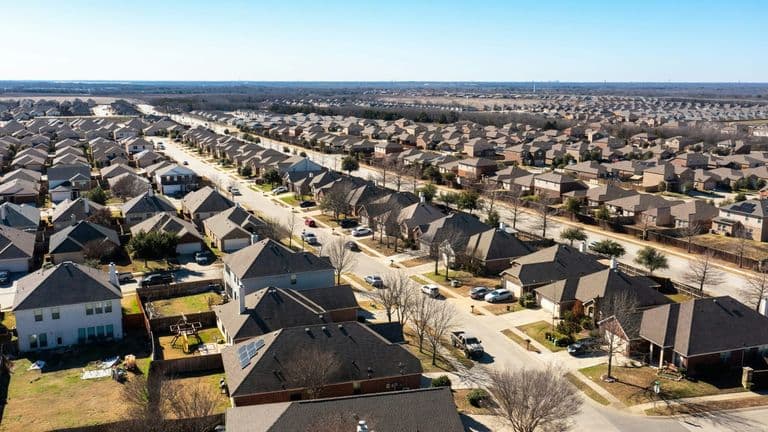 U.S. Housing Market Begins to Stabilize as Mortgage Rates Hold Steady and Supply Increases
Rent Magazine Contributor —November 4, 2025
The U.S. residential housing market is showing tentative signs of stabilization in early November 2025, following several years of volatility marked by rapid home-price increases, limited inventory, and soaring mortgage rates. Although no single national report was released directly tied to November 3, recent data and commentary from market analysts, real estate professionals, and financial...
 U.S. Home-Sales Activity Holds Firm as Prices Keep Climbing
Rent Magazine Contributor —November 2, 2025
As of November 1, 2025, the U.S. residential real estate market remains steady, with existing-home sales continuing to show resilience and prices climbing higher. According to the National Association of Realtors (NAR), sales of existing homes increased to an annualized 4.06 million units in September, up from 4.00 million in August. This uptick indicates that...
 Home Sellers Holding on Tight to Pandemic‑Era Rates, Driving Delistings Higher
Rent Magazine Contributor —October 31, 2025
A recent report from October 30, 2025, reveals a growing trend in the U.S. housing market where homeowners are increasingly opting to remove their properties from the market rather than reduce their asking prices. This shift is contributing to the continued elevation of home values. Data from Realtor.com shows a significant spike in delistings, with...
 U.S. Home-Price Growth Slows to Two-Year Low, Indicating a Cooling Real Estate Market
Rent Magazine Contributor —October 29, 2025
Home-price growth in the United States has slowed to its lowest level in more than two years, a clear indication that the once red-hot housing market is entering a new phase of moderation. According to the S&P CoreLogic Case-Shiller Home Price Index, released in late October, home prices in August 2025 rose only 1.5 percent...
 Muertos Fest in San Antonio Draws Over 100,000 Attendees
Rent Magazine Contributor —October 27, 2025
San Antonio, Texas, became a vibrant celebration of culture, heritage, and community from October 24 to 26, 2025, as the city hosted its annual Muertos Fest. As part of the larger Spirit Season, which honors Día de los Muertos (Day of the Dead), the festival attracted over 100,000 attendees, making it one of the largest...